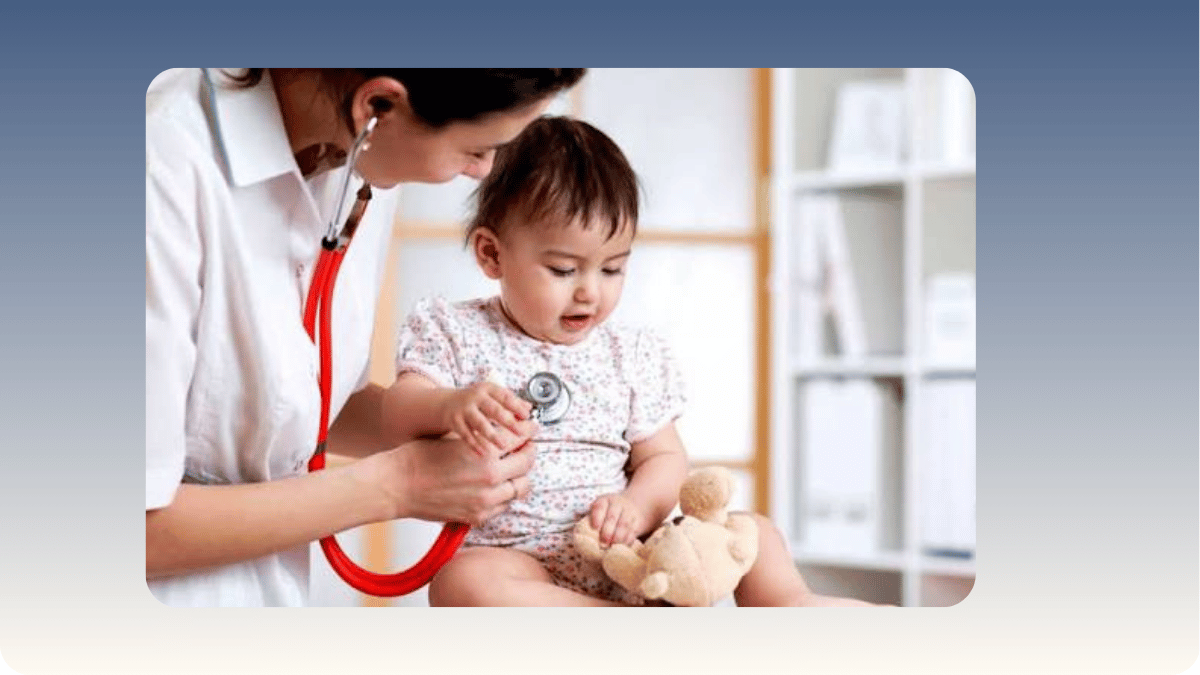
Paediatric medicine spans the widest range of any clinical specialty: from the well infant at a routine six-week check, to the toddler with a high fever who needs examination and a clear management plan, to the school-aged child with a chronic condition requiring ongoing monitoring, to the adolescent with a new health concern. And within any of these presentations, there is always the possibility that what appears straightforward is, in a minority of cases, the early stage of something more serious. The paediatrician who has completed FPEM, Fellowship in Paediatric Emergency Medicine, and IFPCCM, Indian Fellowship in Paediatric Critical Care Medicine, both at Sir Ganga Ram Hospital, Delhi, one of India's premier postgraduate training hospitals, has a layer of clinical pattern recognition that is different from a paediatrician without emergency and critical care fellowship training. At Sparsh Childcare Clinic, Ranjit Avenue, and KMAXX American Hospital, Mall Road, Amritsar, my general paediatric practice combines the breadth of MD Paediatrics with the clinical acuity sensitivity that emergency and critical care fellowship training builds, and this combination shapes how I evaluate every child who comes through the door.
Early Deterioration Recognition: The Critical Care Lens in Routine Practice
One of the most practically important things that emergency and critical care fellowship training builds is the ability to recognise when a child who appears relatively well is showing the early signs of clinical deterioration that, without intervention, will become a genuine emergency within hours. This is a different skill from diagnosing the specific illness: it is about reading the trajectory of the child's clinical status, not just the snapshot at the moment of presentation. A child with a respiratory infection whose work of breathing is increasing, whose feeding is declining, and whose response to stimulation is subtly less bright than a parent describes as normal, is a child whose clinical trajectory is concerning even when the initial examination findings are not immediately alarming. The FPEM and IFPCCM fellowship training at Sir Ganga Ram Hospital covered the recognition and initial management of the full range of paediatric critical presentations: severe respiratory failure, circulatory compromise, altered consciousness, and the acute phase of multi-system illness. Bringing this training to a general paediatric clinic in Amritsar means that the threshold for recognising and acting on a child who is deteriorating is lower than in a practice without this background. For families in Amritsar, having a paediatrician who can recognise when a child needs escalation before the clinical situation becomes critical is one of the most important safety features of comprehensive general paediatric care.
Neonatal Assessment, Developmental Monitoring, and the Foundation of Preventive Paediatrics
The other dimension of general paediatric practice that my training background supports directly is the systematic approach to well-child care. Neonatal assessment in the first days and weeks of life, where the decisions made around feeding adequacy, jaundice management, congenital finding evaluation, and the identification of early signs of infection determine outcomes that matter for the child's entire development, benefits from the clinical precision that emergency and critical care training adds to the assessment of the newborn's physiological stability. Growth monitoring using standardised growth charts at every well-child visit provides the objective safety net that identifies the child whose weight gain or linear growth is deviating from expected trajectory before the deviation becomes entrenched. Developmental assessment at each age-appropriate milestone, with attention to language, gross and fine motor development, social engagement, and early cognitive skills, identifies concerns early enough that intervention and support can genuinely change the developmental trajectory. Nutritional counselling, covering complementary feeding introduction, iron and micronutrient adequacy, and the management of feeding difficulties in young children, is integrated into every well-child visit. At Sparsh Childcare Clinic, Ranjit Avenue, and KMAXX American Hospital, Mall Road, Amritsar, comprehensive general paediatric care means that well-child visits, acute illness, and emergency recognition are all provided by the same clinician who knows the child's history, creating continuity that is one of the most protective features of good paediatric practice.
To book a paediatric consultation with Dr. Bharat Mehra at Sparsh Childcare Clinic, Ranjit Avenue, Amritsar (call +91 9878804000) or KMAXX American Hospital, Mall Road, Amritsar (call +91 9878804000).
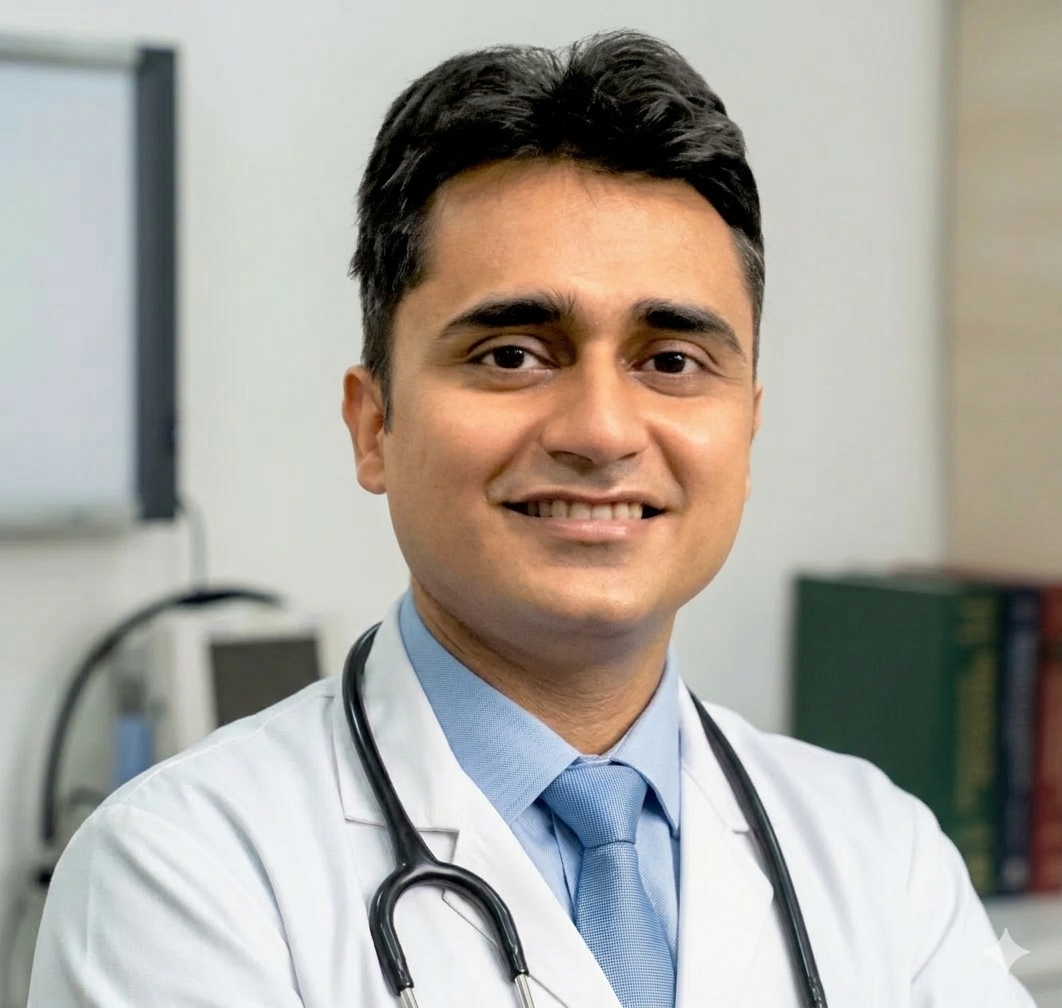
Written by Dr. Bharat Mehra, MBBS, MD (Paediatrics), FPEM (Fellowship in Paediatric Emergency Medicine, Sir Ganga Ram Hospital, Delhi), IFPCCM (Indian Fellowship in Paediatric Critical Care Medicine, Sir Ganga Ram Hospital, Delhi), DPAA (Diploma in Paediatric Allergy and Asthma, Sir Ganga Ram Hospital, Delhi), AAAIC (Advanced Allergy and Asthma in Clinical Immunology, IAS, Colorado, USA), Consultant Paediatrician, Paediatric Intensivist and Allergy Specialist, Sparsh Childcare Clinic, D-Block, Ranjit Avenue, Amritsar, Punjab 143001 (Monday to Saturday, 5:00 PM to 8:00 PM, +91 9878804000) and KMAXX American Hospital, No. 355, Mall Road, Amritsar, Punjab 143001 (Monday, Wednesday, and Friday, 10:00 AM to 2:00 PM, +91 9878804000). 14+ years. 10,000+ patients.
Related reading
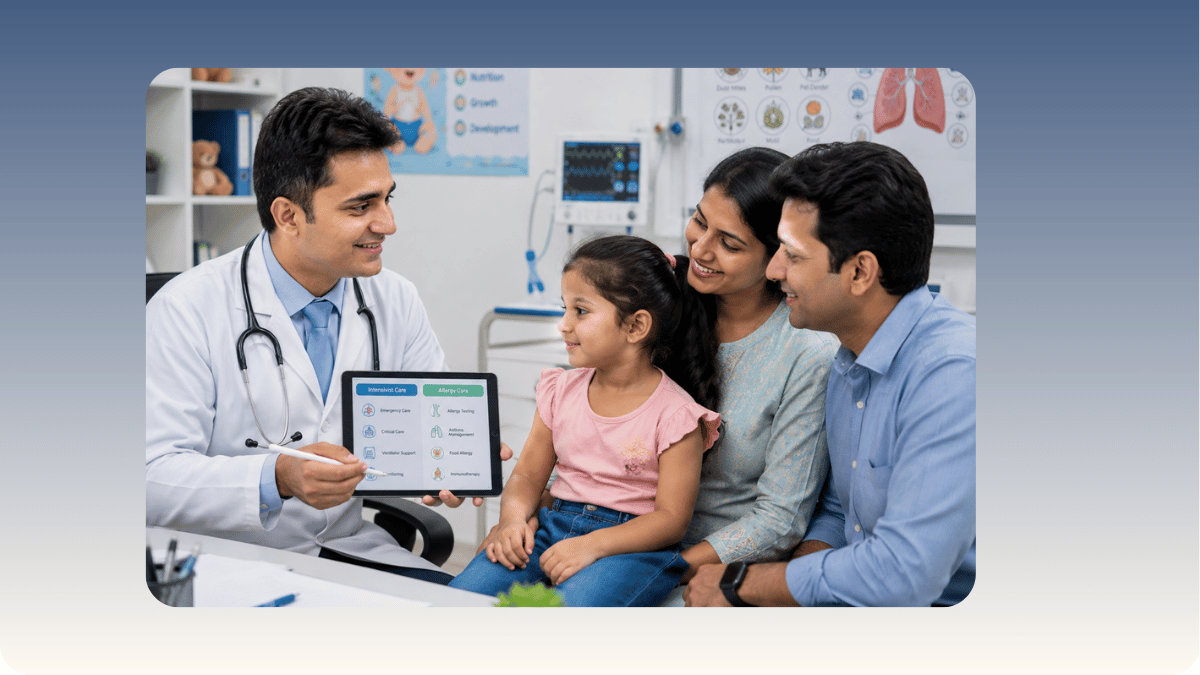
Meet Dr. Bharat Mehra: Where General Paediatrics, Emergency Medicine, and Allergy Care Come Together

Add a Comment