




Dr. Bharat Mehra

Dr. Bharat Mehra

Consultant Paediatrician, Paediatric Intensivist & Allergy Specialist

MBBS, MD (Paediatrics), FPEM, IFPCCM, DPAA, AAAIC

14+ Years of experience

10,000+ Patients Treated

14+ Years of experience

10,000+ Patients Treated

LinQ Card

About Dr. Bharat Mehra

Dr. Bharat Mehra is a Consultant Paediatrician with more than 14+ years of experience in child healthcare, neonatal care, paediatric emergency medicine, and paediatric critical care. He completed his MBBS followed by MD in Paediatrics and has further strengthened his expertise with FPEM (Fellowship in Paediatric Emergency Medicine), IFPCCM (Indian Fellowship in Paediatric Critical Care Medicine), DPAA (Diploma in Paediatric Allergy & Asthma), and AAAIC (Advanced Allergy & Asthma in Clinical Immunology). His clinical interests include childhood asthma, allergies, respiratory infections, neonatal care, intensive care, vaccination, nutrition, growth and developmental monitoring, and preventive paediatrics. Dr. Mehra combines evidence-based medicine with compassionate, family-centred care to deliver personalised treatment that promotes healthy growth, timely recovery, and long-term wellbeing for children from infancy through adolescence.


Dr. Bharat Mehra specialises in General Paediatrics, Paediatric Emergency Medicine, Paediatric Critical Care, Childhood Allergy, and Asthma. His practice focuses on the diagnosis and management of common childhood illnesses, newborn disorders, asthma, allergic rhinitis, eczema, food allergies, respiratory infections, fever, gastrointestinal illnesses, and critically ill children requiring intensive care. Through his DPAA and AAAIC training, he integrates comprehensive allergy assessment and long-term management into routine paediatric practice. He believes in early diagnosis, preventive healthcare, vaccination, nutritional counselling, parent education, and evidence-based treatment plans tailored to every child. His holistic approach helps improve disease control, reduce hospital admissions, and support healthy physical and developmental outcomes.


Dr. Bharat Mehra's Areas of expertise

  • General Paediatrics – Comprehensive healthcare for newborns, infants, children, and adolescents.
  • Paediatric Emergency Care – Rapid diagnosis and treatment of acute childhood illnesses and emergencies.
  • Paediatric Critical Care – Management of critically ill children requiring intensive monitoring and specialised treatment.
  • Childhood Asthma – Long-term asthma management with inhaler education and trigger control.
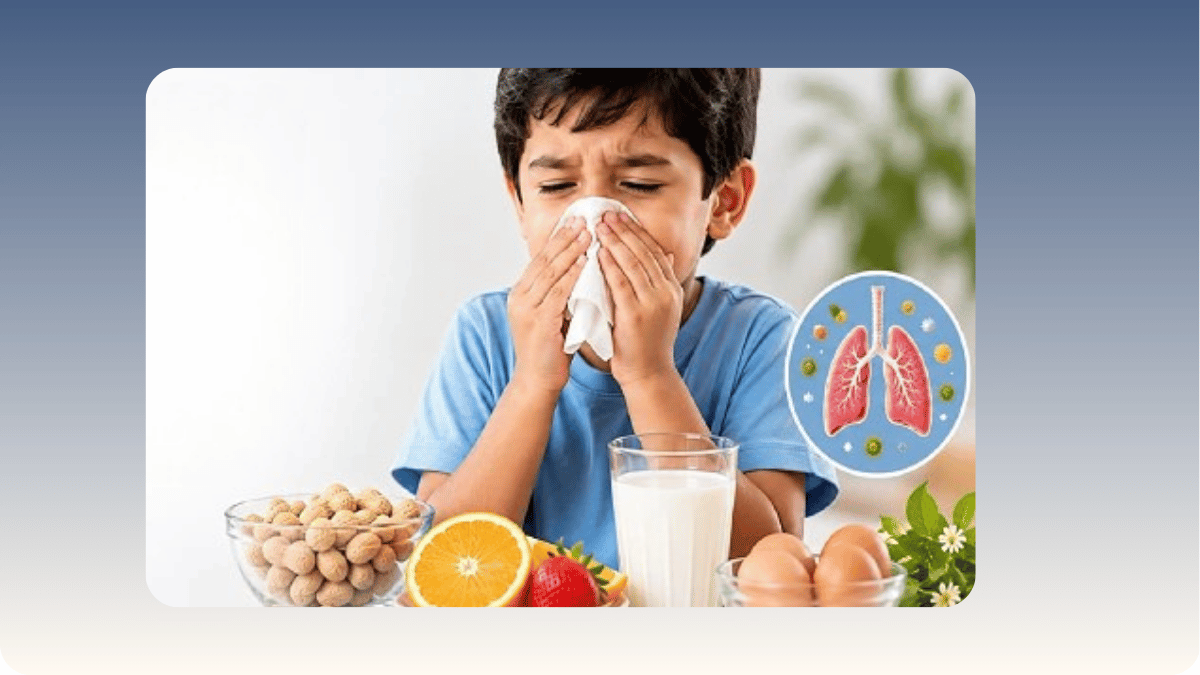
  • Paediatric Allergy – Diagnosis and treatment of food allergies, allergic rhinitis, eczema, and environmental allergies.
  • Neonatal Care – Comprehensive care for healthy and high-risk newborns.
  • Respiratory Infections – Evidence-based management of common and complex childhood respiratory illnesses.
  • Growth & Development Monitoring – Regular assessment of physical growth and developmental milestones.
  • Vaccination & Preventive Care – Immunisation guidance and preventive child healthcare.
  • Parent Counselling – Educates families on nutrition, child health, allergy prevention, and disease management.
  • MBBS – Kasturba Medical College, Manipal.
  • MD (Paediatrics) – Dayanand Medical College & Hospital, Ludhiana, Punjab.
  • FPEM – Fellowship in Paediatric Emergency Medicine (Sir Ganga Ram Hospital, Delhi)
  • IFPCCM – Indian Fellowship in Paediatric Critical Care Medicine (Sir Ganga Ram Hospital, Delhi)
  • DPAA – Diploma in Paediatric Allergy & Asthma (Sir Ganga Ram Hospital, Delhi)
  • AAAIC – Advanced Allergy & Asthma in Clinical Immunology (IAS, Colorado, USA)

Book Appointment

Please select a clinic in the below dropdown to book your appointment

Ground floor, D Block Building, H. no. 957, Gumtala Sub Urban, Defence Colony,D-Block, Ranjit Avenue, Amritsar, Punjab 143001

Clinic Hours:
  • Monday - Saturday 05:00 PM to 08:00 PM
Contact:

No. 355, The Mall Road, Near Girl's Govt High School, Amritsar, Punjab 143001

Clinic Hours:
  • Mon | Wed | Fri 10:00 AM to 02:00 PM
Contact:


Conditions and Treatments

General Paediatrics and Paediatric Emergency Care

General paediatric care encompasses the full scope of child health from birth through adolescence - routine well-child assessments, growth and developmental monitoring, management of common childhood illnesses, and recognition of the child who is deteriorating and needs urgent intervention. What sets a paediatrician with emergency and critical care fellowship training apart is the ability to identify and act on early warning signs before a child's condition escalates. Dr. Bharat Mehra brings FPECC and IFPCCM fellowship training in paediatric emergency and critical care medicine to his general paediatric practice in Bangalore, creating a practice that manages the full acuity spectrum - from well-child visits for growth monitoring, developmental assessment, nutritional counselling, and preventive care, through to acute childhood illnesses including high fever, respiratory infections, febrile seizures, acute allergic reactions, and gastroenteritis, through to critically unwell children requiring intensive monitoring and specialist management. His training across Sir Ganga Ram Hospital and advanced critical care programmes means families have a paediatrician who not only knows their child well but recognises when the clinical picture is changing in a way that requires urgent action. Written by Dr. Bharat Mehra, MBBS, MD Paediatrics, FPECC (Fellowship in Paediatric Emergency and Critical Care), IFPCCM (Indian Fellowship in Paediatric Critical Care Medicine), DPAA (Diploma in Paediatric Allergy and Asthma), AAAIC (Advanced Allergy and Asthma in Clinical Immunology), Consultant Paediatrician, Paediatric Intensivist and Allergy Specialist, Bangalore. Phone: +91 9999538720.

Paediatric Allergy and Asthma

Allergic and asthmatic conditions are now among the most prevalent chronic diseases of childhood, and in Bangalore - where house dust mite is the dominant perennial allergen, cockroach sensitisation is highly prevalent in urban households, and Parthenium pollen contributes a seasonal allergic burden - integrated allergy evaluation within the primary paediatric consultation is not a luxury but a clinical necessity for children with recurrent respiratory or skin symptoms. Dr. Bharat Mehra's DPAA and AAAIC qualifications in paediatric allergy, asthma, and clinical immunology place his allergy practice at a specialist level within his paediatric setting. He evaluates children with asthma, allergic rhinitis, atopic eczema, food allergy, urticaria, and anaphylaxis risk using systematic clinical history and allergy testing including skin prick testing and specific IgE. Management is individualised: inhaler therapy with correct spacer technique for asthma, allergen avoidance strategies specific to the Bangalore home environment, antihistamines and topical treatment for rhinitis and eczema, emergency action planning and adrenaline auto-injector guidance for children at anaphylaxis risk, and allergen immunotherapy for selected patients where long-term disease modification is the appropriate goal. Written by Dr. Bharat Mehra, MBBS, MD Paediatrics, FPECC (Fellowship in Paediatric Emergency and Critical Care), IFPCCM (Indian Fellowship in Paediatric Critical Care Medicine), DPAA (Diploma in Paediatric Allergy and Asthma), AAAIC (Advanced Allergy and Asthma in Clinical Immunology), Consultant Paediatrician, Paediatric Intensivist and Allergy Specialist, Bangalore. Phone: +91 9999538720.

 Immunisation and Vaccination
Immunisation and Vaccination

Immunisation is the most impactful preventive health intervention in childhood, yet many children in Bangalore present with delayed vaccination, incomplete schedules, or specific medical circumstances that require adapted immunisation approaches rather than the default schedule. Children who have been in critical care, are on immunosuppressive medication, were born prematurely, or have chronic illness require individualised vaccine planning that accounts for their specific clinical status. Dr. Bharat Mehra provides personalised immunisation planning for children in Bangalore, drawing on his FPECC and IFPCCM critical care background to manage vaccination for children with complex medical histories - including those recovering from critical illness, on immunosuppressive therapy, or with chronic disease - where the standard schedule requires clinical adaptation. For healthy children presenting on time, he follows the Indian Academy of Paediatrics recommended schedule with clear explanation of each vaccine's purpose and expected response at every visit. Catch-up programmes for children with delayed or incomplete vaccination are structured efficiently and safely. For families with vaccine concerns, he addresses questions with evidence and patience, because a parent who understands the clinical rationale for each vaccine is more likely to complete the recommended schedule and protect their child. Written by Dr. Bharat Mehra, MBBS, MD Paediatrics, FPECC (Fellowship in Paediatric Emergency and Critical Care), IFPCCM (Indian Fellowship in Paediatric Critical Care Medicine), DPAA (Diploma in Paediatric Allergy and Asthma), AAAIC (Advanced Allergy and Asthma in Clinical Immunology), Consultant Paediatrician, Paediatric Intensivist and Allergy Specialist, Bangalore. Phone: +91 9999538720.

Dr. Bharat Mehra's Expert Tips & Health Insights

Latest

Articles by Dr. Bharat Mehra

https://d2vvc091k8tmib.cloudfront.net/s3fs-public/2026-09/Paediatric%20Allergy.png
https://d2vvc091k8tmib.cloudfront.net/s3fs-public/2026-08/IMG_2481.png
By: Dr. Bharat Mehra
03 September 2026

Paediatric Allergy in Amritsar: Why the Punjab Agricultural Environ ent Changes the Allergy Picture

A Consultant Paediatrician with DPAA and AAAIC (Advanced Allergy and Asthma in Clinical Immunology, IAS, Colorado, USA) explains paediatric allergy in Amritsar: the specific allergen profile of Punjab's agricultural environment including wheat pollen, rice harvest, cotton, Parthenium, and indoor allergen concentration in Punjab's dense winter fog season, and how a systematic allergy evaluation and management framework changes outcomes for allergic children in Amritsar.
Read More
https://d2vvc091k8tmib.cloudfront.net/s3fs-public/2026-09/General%20Paediatrics.png
https://d2vvc091k8tmib.cloudfront.net/s3fs-public/2026-08/IMG_2481.png
By: Dr. Bharat Mehra
03 September 2026

General Paediatrics in Amritsar: What Emergency and Critical Care Training Adds to Everyday Child Health

A Consultant Paediatrician with FPEM and IFPCCM fellowship training from Sir Ganga Ram Hospital, Delhi, explains what emergency and critical care expertise adds to general paediatric practice in Amritsar: why recognising early clinical deterioration in a child changes outcomes, what neonatal assessment and developmental monitoring involve, and how a paediatrician trained across the full acuity spectrum provides a different quality of everyday child health care.
Read More
https://d2vvc091k8tmib.cloudfront.net/s3fs-public/2026-08/Meet%20Dr.%20Bharat%20Mehra%20Where%20General%20Paediatrics%2C%20Emergency%20Medicine%2C%20and%20Allergy%20Care%20Come%20Together.png
https://d2vvc091k8tmib.cloudfront.net/s3fs-public/2026-08/IMG_2481.png
By: Dr. Bharat Mehra
06 August 2026

Meet Dr. Bharat Mehra: Where General Paediatrics, Emergency Medicine, and Allergy Care Come Together

Dr. Bharat Mehra - Consultant Paediatrician, Paediatric Intensivist and Allergy Specialist with FPECC, IFPCCM, DPAA, and AAAIC, delivering integrated child health care in Bangalore across the full spectrum from routine to critical.
Read More

Dr. Bharat Mehra's Patient Testimonial Reviews

Leave a Review

Patient Reviews

Dr. Bharat Mehra

Leave a Review

Frequently Asked Questions

Frequently Asked Questions

View all

At what age can allergy testing be done in children, and does it hurt?

Allergy skin prick testing can be performed from infancy, and there is no minimum age below which it is not appropriate when a clinical question about allergy needs to be answered. In practice I typically begin allergy testing from around 12 to 18 months in infants with persistent eczema or suspected food allergy, and from 2 to 3 years in children with recurrent nasal or respiratory symptoms. Skin prick testing uses a small standardised lancet to place a tiny droplet of allergen extract onto the forearm skin  -  the lancet barely penetrates the surface of the skin and most children experience it as a mild scratch rather than a sharp pain. Results are read at 15 to 20 minutes, giving immediate answers in the clinic rather than requiring a return visit. For children who cannot stop antihistamines or who are too young to cooperate with skin testing, specific IgE blood testing provides equivalent information from a single blood draw. The most important thing parents need to understand is that a positive allergy test result identifies immune sensitisation  -  it does not by itself confirm that the allergen is causing the child's symptoms. The result is always interpreted alongside the child's clinical history to determine which sensitisations are clinically relevant.

Written by Dr. Bharat Mehra, MBBS, MD Paediatrics, FPECC (Fellowship in Paediatric Emergency and Critical Care), IFPCCM (Indian Fellowship in Paediatric Critical Care Medicine), DPAA (Diploma in Paediatric Allergy and Asthma), AAAIC (Advanced Allergy and Asthma in Clinical Immunology), Consultant Paediatrician, Paediatric Intensivist and Allergy Specialist, Bangalore. Phone: +91 9999538720.

How do I know if my child is due for a vaccine catch-up and what does the catch-up involve?

A child is due for a vaccine catch-up when their vaccination record shows that one or more doses of the recommended schedule have been missed or delayed beyond the recommended timeframe. This is more common than many families realise  -  missed doses during illness, delayed starts, or simply incomplete records are all frequent presentations in my Bangalore practice. The catch-up process begins by reviewing the child's vaccination history against the current Indian Academy of Paediatrics schedule to identify exactly which doses are outstanding. For most vaccines, a completed series does not need to be restarted  -  only the missing doses need to be given, with minimum intervals between doses observed to ensure adequate immunogenicity. The catch-up programme is sequenced to prioritise the vaccines with the greatest disease burden risk for the child's current age, and most children complete catch-up efficiently over a few visits. No vaccine in the recommended schedule is too late to give simply because the ideal age has passed  -  partial protection is better than no protection, and completing the schedule at any age is the right clinical decision.

Written by Dr. Bharat Mehra, MBBS, MD Paediatrics, FPECC (Fellowship in Paediatric Emergency and Critical Care), IFPCCM (Indian Fellowship in Paediatric Critical Care Medicine), DPAA (Diploma in Paediatric Allergy and Asthma), AAAIC (Advanced Allergy and Asthma in Clinical Immunology), Consultant Paediatrician, Paediatric Intensivist and Allergy Specialist, Bangalore. Phone: +91 9999538720.

My child has been diagnosed with asthma but keeps having attacks despite using an inhaler - what should I do?

Persistent asthma attacks despite inhaler use almost always have an identifiable cause that can be addressed, and the most common causes in my Bangalore practice are poor inhaler technique, use of the wrong device type for the child's age, an unidentified allergen trigger, and undertreated comorbid allergic rhinitis  -  since rhinitis and asthma represent a single inflammatory disease of the unified airway, and uncontrolled upper airway inflammation drives lower airway disease. The first thing I assess is inhaler technique directly, because a child using a metered dose inhaler without a spacer receives a fraction of the dose at the airway. The second is allergy evaluation  -  skin prick testing to identify the specific allergen sensitisations driving airway inflammation. The third is whether allergic rhinitis has been identified and treated alongside the asthma. A child receiving ONLY asthma treatment without addressing rhinitis will have persistently poor asthma control. If your child's asthma is not well controlled despite prescribed treatment, the answer is usually not a stronger inhaler  -  it is a more thorough evaluation.

Written by Dr. Bharat Mehra, MBBS, MD Paediatrics, FPECC (Fellowship in Paediatric Emergency and Critical Care), IFPCCM (Indian Fellowship in Paediatric Critical Care Medicine), DPAA (Diploma in Paediatric Allergy and Asthma), AAAIC (Advanced Allergy and Asthma in Clinical Immunology), Consultant Paediatrician, Paediatric Intensivist and Allergy Specialist, Bangalore. Phone: +91 9999538720.

What is the difference between a paediatrician and a paediatric intensivist, and why does it matter for my child's care?

Link copied to clipboard!

Reach Dr. Bharat Mehra

Sparsh Childcare Clinic

Ground floor, D Block Building, H. no. 957, Gumtala Sub Urban, Defence Colony,D-Block, Ranjit Avenue, Amritsar, Punjab 143001

KMAXX AMERICAN HOSPITAL

No. 355, The Mall Road, Near Girl's Govt High School, Amritsar, Punjab 143001