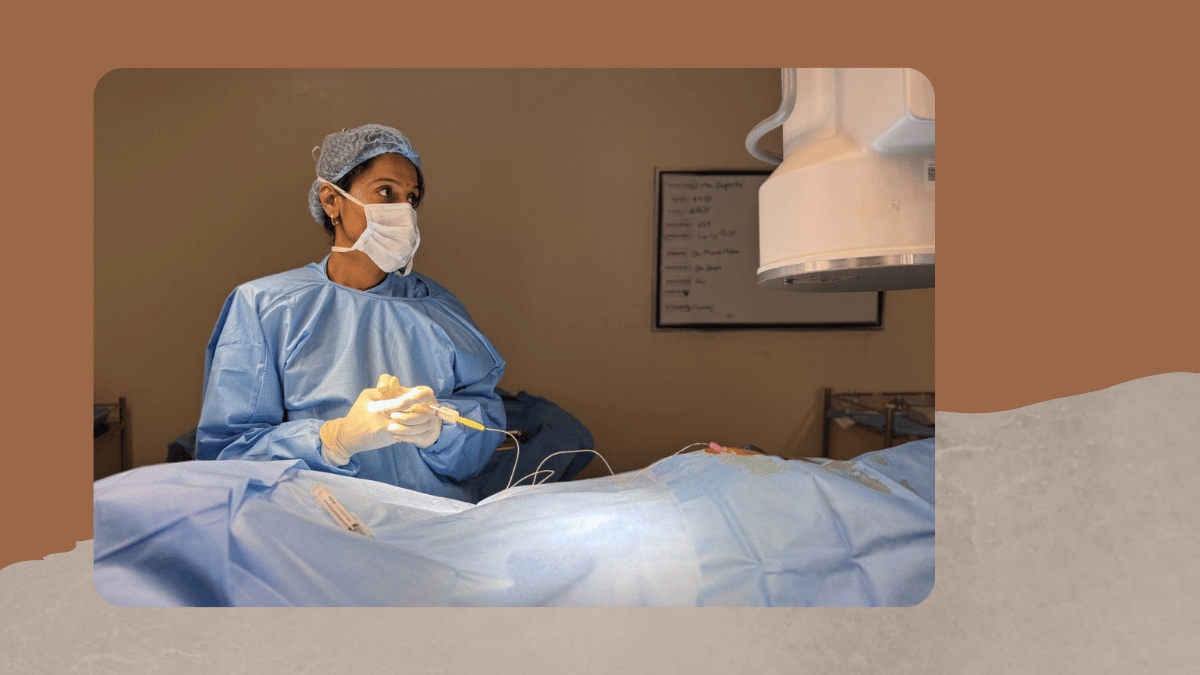
Anaesthesia plays a crucial role in ensuring safe and painless surgeries, but not all anaesthesia is the same. When it comes to brain and spine procedures, neuro anesthesia stands apart due to its highly specialized approach. If you’ve ever wondered about neuro anesthesia vs general anesthesia, the key difference lies in precision, monitoring, and the critical need to protect the brain and nervous system. Understanding what is neuro anesthesia and its importance can help patients and families feel more confident before undergoing complex neurosurgical procedures.
As a specialist in neuro anesthesia and critical care, I often explain to patients that anaesthesia for brain surgery is not just about putting someone to sleep. It involves continuous monitoring of brain function, blood flow, and pressure within the skull. In my experience, the smallest adjustments during surgery can significantly impact outcomes, which is why neuro anesthesia demands a deeper level of expertise, vigilance, and coordination with neurosurgeons.
What Is Neuro Anesthesia?
To understand the neuro anesthesia meaning, it refers to a subspecialty of anaesthesia focused on managing patients undergoing brain, spine, and nervous system surgeries. Unlike routine anaesthesia, this field emphasizes maintaining optimal brain function while ensuring the patient remains stable and pain-free.
Anesthesia for neurosurgery includes advanced techniques to:
- Control intracranial pressure
- Maintain adequate cerebral blood flow
- Monitor neurological responses in real time
- Prevent brain swelling and complications
👉 This makes neuro anesthesia highly complex and tailored to each patient.
Neuro Anesthesia vs General Anesthesia:
While both involve rendering a patient unconscious or pain-free, there are critical differences between neuro anesthesia vs general anesthesia:
Focus of Care:
General anesthesia focuses on overall body stability, while neuro anesthesia prioritizes brain protection and neurological function.
Monitoring:
Neuro anesthesia involves advanced brain monitoring techniques such as intracranial pressure monitoring and neurophysiological tracking.
Precision:
Even slight fluctuations in blood pressure, oxygen levels, or carbon dioxide can affect brain health, making neuro anesthesia far more precise.
Patient Interaction:
In some brain surgeries, patients may be partially awake (awake craniotomy) to assess brain function in real time—something not seen in routine general anesthesia.
Role in Brain Surgery Anesthesia:
Brain surgery anesthesia requires careful planning and execution. The anesthesiologist works closely with the surgical team to ensure:
- Stable blood pressure and oxygen supply to the brain
- Prevention of brain swelling
- Rapid recovery for neurological assessment post-surgery
👉 In many neurosurgical cases, the goal is not just survival but preserving cognitive and motor functions. This makes neuro anesthesia a cornerstone of successful outcomes.
Risks and Challenges:
Neuro anesthesia comes with unique challenges, including:
- Managing delicate brain physiology
- Preventing complications like seizures or swelling
- Ensuring rapid awakening for neurological evaluation
👉 However, with experienced specialists and modern monitoring technologies, these risks are minimized significantly.
Recovery and Postoperative Care:
Recovery after neurosurgery is closely linked to how well anaesthesia is managed. Patients may be monitored in intensive care units for:
- Neurological status
- Breathing and oxygen levels
- Signs of complications
👉 Early recovery and assessment help guide further treatment and rehabilitation.
Conclusion:
Understanding the difference between neuro anesthesia vs general anesthesia highlights the importance of specialized care in brain and spine surgeries. What is neuro anesthesia goes beyond simply inducing sleep it is about protecting the brain, preserving function, and ensuring the best possible surgical outcomes. With advancements in anesthesia for neurosurgery, patients today benefit from safer procedures, better recovery, and improved quality of life under expert care.


Add a Comment