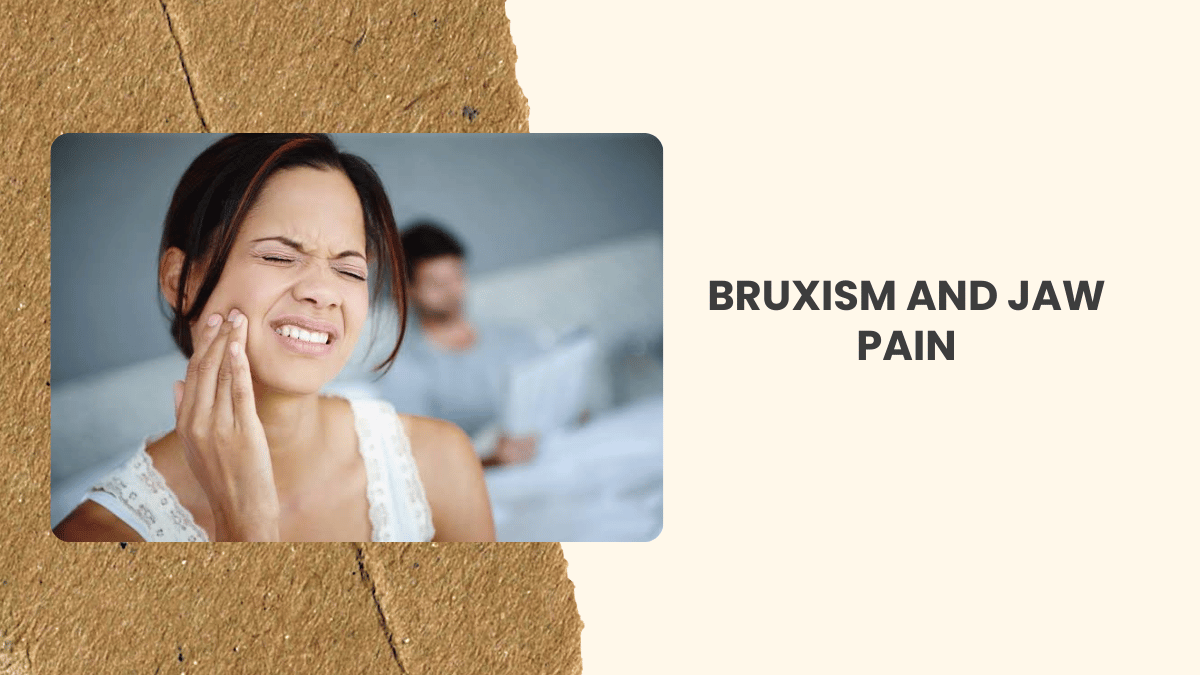
In my complete guide to TMD and orofacial pain, I described bruxism as one of the factors that can contribute to jaw muscle fatigue, tenderness, and morning discomfort. Many patients who come to Tooth Firm, HSR Layout, Bengaluru are completely unaware that they grind their teeth until a family member mentions hearing the sound at night, or until I identify the characteristic signs during a routine dental examination. Bruxism is one of those conditions where the person experiencing it is often the last to know. Knowing what bruxism is, what it does to the teeth and jaw, and what can be done about it is more useful than simply being told to stop grinding , because for most people, it happens entirely outside their awareness.
What Is Bruxism?
Bruxism refers to repetitive jaw muscle activity involving the clenching, grinding, or bracing of the teeth. It is broadly categorised into sleep bruxism, which occurs during sleep and is considered a sleep-related movement disorder, and awake bruxism, which occurs during waking hours and typically involves clenching rather than grinding. Both types can have consequences for the teeth, jaw joints, and muscles, but they are considered distinct conditions with different mechanisms. Sleep bruxism is the more frequently discussed type, partly because it is outside the person's conscious control and partly because the sounds it produces can be identified by a bed partner. Awake bruxism is often driven by habit and concentration. Many people clench their teeth while working, driving, or using a screen without realising they are doing it. Either form can contribute to jaw muscle tension and discomfort, and in some people, both types occur simultaneously.
What Does Bruxism Do to Your Teeth and Jaw?
The consequences of sustained or frequent bruxism depend on its intensity, frequency, and duration, and not everyone who grinds their teeth will develop the same problems. Tooth wear is one of the most visible signs, and a dentist examining the biting surfaces of the teeth can often identify flattening or small chips consistent with grinding activity. In some patients, the enamel becomes visibly worn, exposing the underlying dentine and increasing sensitivity. The edges of the front teeth may become chipped or shortened over time. Beyond the teeth, the jaw muscles and joints can be affected. Sustained muscle overactivity can lead to fatigue, tenderness on palpation, and the characteristic pattern of waking up with a stiff, aching jaw. Some patients describe a tired feeling in the jaw by mid-morning that eases as the day progresses, which reflects muscle activity occurring during sleep rather than during waking hours.
Bruxism, Headaches, and the Jaw Muscles
The temporalis muscles, located on the sides of the skull above and in front of the ears, are among the muscles that become active during bruxism. When these muscles are overworked through sustained grinding or clenching during sleep, some patients experience pain around the temples and across the forehead that is present on waking and may ease through the morning. This pattern is one of the clinical presentations I assess carefully at Tooth Firm, because not every morning headache in a patient with bruxism is a tension-type headache originating from the jaw muscles. Headaches have many possible causes, and part of my role is to consider the overall clinical picture rather than attributing every symptom to one source. My Fellowship training in Temporomandibular Disorders, Orofacial Pain and Sleep Medicine from the USA specifically covers this intersection between jaw function, sleep activity, and craniofacial pain patterns. When morning headaches, jaw stiffness, and signs of tooth wear occur together, a clinical evaluation for sleep bruxism is a reasonable and important step.
What Can Be Done About Bruxism?
There is no single treatment that eliminates bruxism in the way that antibiotics eliminate an infection. Management focuses on protecting the teeth from wear, reducing the load on the jaw muscles and joints, and where possible, addressing contributing factors. An occlusal splint, commonly called a night guard, is a custom-fitted appliance worn over the teeth during sleep. It creates a protective barrier between the upper and lower teeth, distributes biting forces more evenly, and can reduce the degree to which bruxism activity damages the tooth surfaces. It does not stop bruxism from occurring, but it can protect against its consequences and may reduce some of the muscular symptoms. For patients with awake bruxism, awareness strategies, habit recognition, and jaw relaxation techniques can be useful. The jaw should rest with the teeth slightly apart and the muscles relaxed when not actively chewing or swallowing. If you wake regularly with a sore jaw, tight temples, or unexplained morning headaches, and a family member has mentioned hearing grinding during your sleep, a dental assessment is a straightforward and worthwhile first step.
To book a consultation with Dr. Deepa Jayashankar at Tooth Firm Dental Care and Implant Center, 1669/A, 14th Main Road, 7th Sector, HSR Layout, Bengaluru 560102, call +91 8088058704 or visit linqmd.com/doctor/deepa-jayashankar
Written by Dr. Deepa Jayashankar, MDS (Prosthodontics and Implantology), Fellowship in Temporomandibular Disorders, Orofacial Pain and Sleep Medicine (USA), Founder and Chief Dentist, Tooth Firm Dental Care and Implant Center, 1669/A, 14th Main Road, 7th Sector, HSR Layout, Bengaluru 560102. Phone: +91 8088058704.
Related reading
The Secrets of Geriatric Oral Health: Maintaining a Youthful Smile at Any Age

Add a Comment