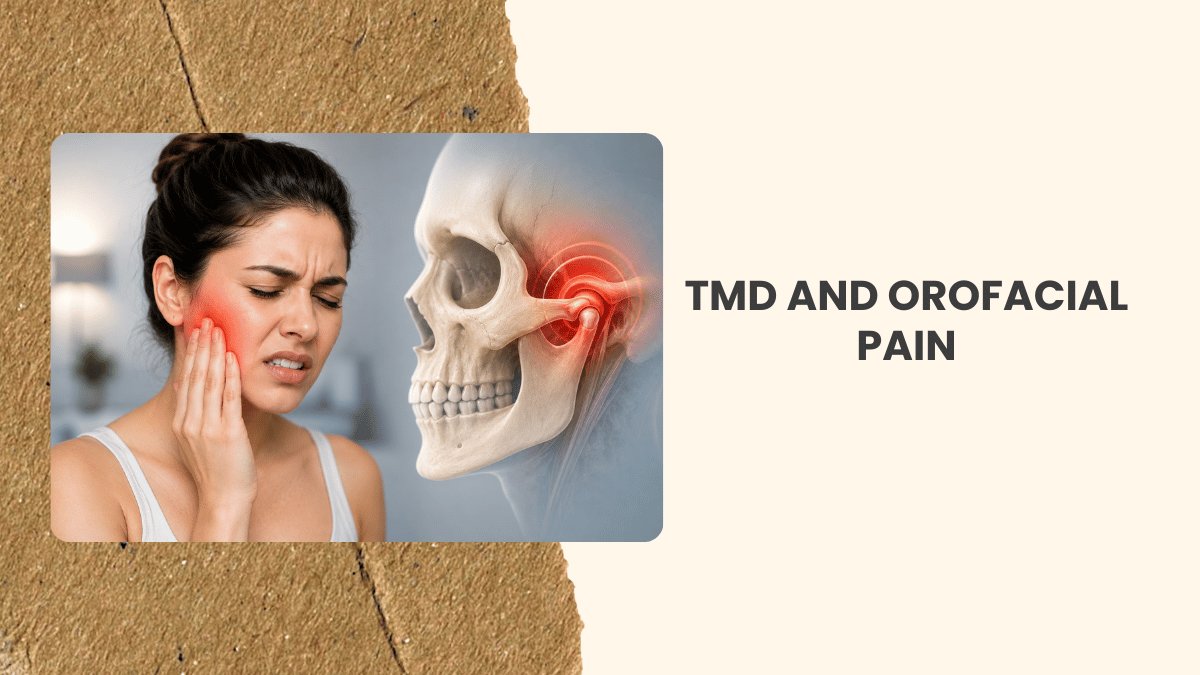
Jaw pain can be surprisingly disruptive. It may begin as a mild clicking sound when you open your mouth, a feeling of tightness while chewing, or an unexplained headache at the end of a stressful day. For some people, the discomfort gradually becomes persistent, affecting eating, speaking, sleeping, working, and even enjoying everyday conversations. Yet, many patients live with these symptoms for months or even years without realising that the source of their discomfort may be related to the temporomandibular joint, commonly called the TMJ, or the muscles and structures surrounding it.
As a dentist with a special interest in Temporomandibular Disorders (TMD) and Orofacial Pain, I believe that persistent jaw and facial pain deserves careful evaluation rather than temporary symptom relief alone. TMD is not a single disease with one universal treatment. It represents a group of conditions that may involve the jaw joints, chewing muscles, surrounding tissues, or a combination of factors.
In this comprehensive guide, I will help you understand why jaw pain occurs, what clicking and restricted mouth opening may mean, how headaches and teeth grinding can sometimes be connected to the jaw, and how a personalised approach can help patients manage TMD and orofacial pain more effectively.
What Is the Temporomandibular Joint or TMJ?
The temporomandibular joints are the two joints located just in front of your ears, connecting your lower jaw, or mandible, to the temporal bones of your skull. These joints allow your jaw to move up and down, forward and backward, and from side to side. Every time you speak, chew, yawn, swallow, or open your mouth, your TMJs and the surrounding muscles are working together. Unlike a simple hinge, the TMJ performs complex movements. Inside the joint is a small disc that helps facilitate smooth movement between the bones. The muscles of mastication, or chewing muscles, also play an important role in controlling jaw movement and stability.
Because this system is complex, discomfort can arise from different structures. In some patients, the primary problem may involve the joint itself. In others, muscle tension or overuse may be responsible. Sometimes several factors contribute simultaneously. This is why understanding the underlying cause of jaw pain is an important part of developing an appropriate treatment plan.
What Is TMD?
Temporomandibular Disorder, or TMD, is a broad term used for conditions affecting the temporomandibular joints, the muscles involved in jaw movement, and associated structures. Patients sometimes use 'TMJ' and 'TMD' interchangeably, but they are slightly different terms. TMJ refers to the joint itself, while TMD refers to disorders that affect the joint and related structures. TMD can present differently from one person to another. Some patients experience pain, while others primarily notice clicking or difficulty opening their mouth. Symptoms may appear suddenly or develop gradually.
Common Symptoms of TMD
Symptoms that may warrant evaluation include:
- Pain or tenderness around the jaw
- Clicking, popping, or grating sounds during jaw movement
- Difficulty or discomfort while chewing
- Restricted mouth opening
- A sensation that the jaw is 'stuck' or locked
- Pain around the ears without an obvious ear problem
- Facial pain or muscle tenderness
- Frequent headaches or pain around the temples
- aw stiffness, particularly after waking
- Discomfort following prolonged talking or chewing
- Changes in the way the upper and lower teeth meet
- Neck or shoulder discomfort occurring alongside jaw symptoms
Not everyone who experiences a clicking jaw has a serious problem. A painless click without limitation of movement may not necessarily require treatment. However, clicking associated with pain, locking, restricted movement, or progressive symptoms should be professionally evaluated.
Why Does My Jaw Click or Pop?
One of the most common questions patients ask me is, 'Why does my jaw click when I open my mouth?' A clicking or popping sound can occur when the movement of the joint and the small disc within it are not perfectly coordinated. In some cases, the disc may move slightly out of its usual position and then return during jaw movement, producing a click. However, joint sounds can have different causes and do not always indicate significant disease.
When Should Jaw Clicking Be Evaluated?
Consider seeking professional evaluation if your clicking is accompanied by:
- Pain
- Increasing frequency or intensity
- Difficulty opening or closing your mouth
- Episodes of jaw locking
- Changes in your bite
- Difficulty chewing
- Persistent headaches or facial pain
The goal of an evaluation is not simply to eliminate a sound. It is to understand whether the sound represents a functional problem and whether treatment is actually necessary.
What Causes TMD and Jaw Pain?
One of the most important things I explain to patients is that TMD often does not have one single cause. Jaw pain may result from a combination of biological, mechanical, muscular, behavioural, and lifestyle-related factors.
Bruxism and Teeth Grinding
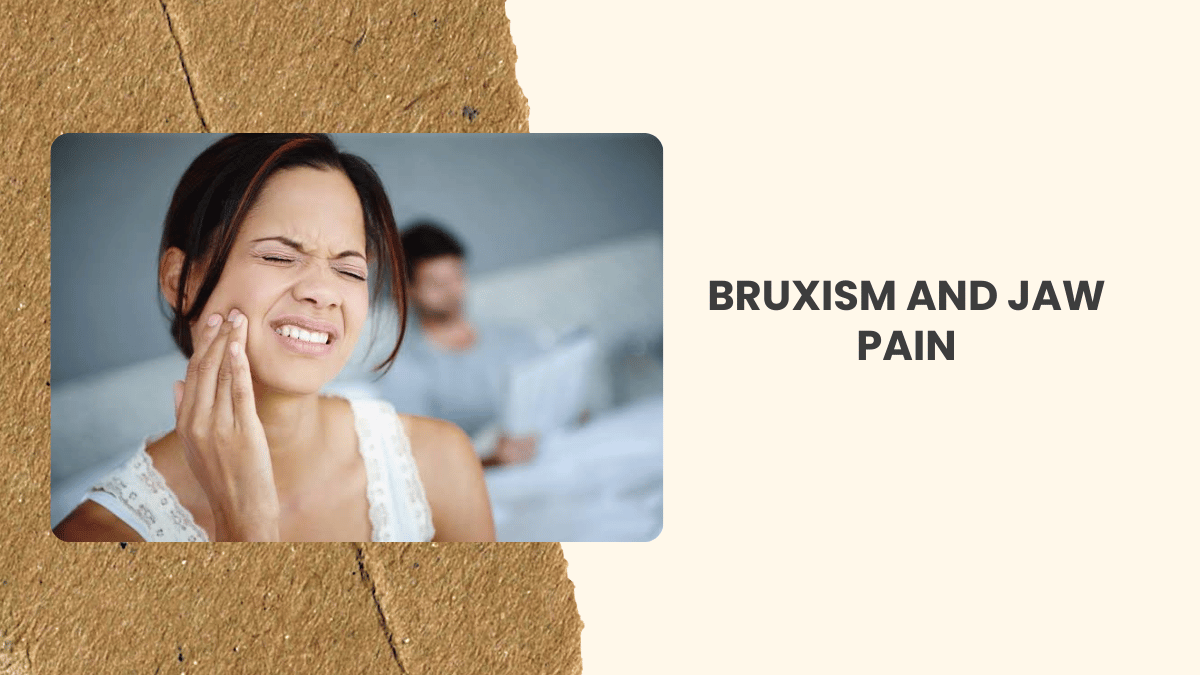
Bruxism refers to grinding or clenching the teeth. It can occur while awake or during sleep. Some people are completely unaware that they grind their teeth until a family member notices the sound at night or a dentist identifies signs of tooth wear. Repeated clenching may place additional load on the jaw muscles and, in some individuals, contribute to muscle fatigue, tenderness, or morning jaw discomfort.
Stress and Muscle Tension
Stress does not mean that jaw pain is 'all in your head.' However, emotional stress can influence muscle activity and pain perception. During periods of concentration or stress, some people unconsciously tighten their jaw or keep their teeth clenched together. Over time, sustained muscle activity may contribute to fatigue and discomfort. Recognising these habits can therefore be an important part of managing certain TMD presentations.
Trauma or Injury
A direct injury to the jaw or face may affect the TMJ or surrounding tissues. Symptoms may also occasionally develop after events involving prolonged or excessive mouth opening. A careful history is therefore essential when evaluating new or persistent jaw symptoms.
Joint-Related Conditions
In some patients, changes within the joint itself may contribute to symptoms. These may include inflammatory or degenerative conditions and problems involving the position or movement of the joint disc. The significance of these findings varies between patients, which is why diagnosis should be based on the overall clinical picture rather than one symptom alone.
Repetitive Jaw Habits
Certain habits can place repeated demands on the jaw muscles and joints. These may include frequent gum chewing, nail biting, chewing pens, or repeatedly biting hard foods. Identifying and modifying these habits may form part of a conservative management strategy.
Can TMD Cause Headaches?
Headaches and jaw problems can sometimes overlap, particularly when the muscles around the jaw and temples are involved. The temporalis muscles, located on the sides of the head, are among the muscles involved in chewing. When these muscles become overworked or tender, some patients may experience pain around the temples. However, headaches have many possible causes, and not every headache is related to TMD. This distinction is extremely important.
A comprehensive assessment helps determine whether jaw function or muscle tenderness appears to be contributing to a patient's symptoms. Patients with recurrent, severe, unusual, or unexplained headaches may also require evaluation by an appropriate medical professional. My approach is always to look at the complete clinical picture rather than automatically attributing every headache to the jaw.
Understanding Orofacial Pain
Orofacial pain refers broadly to pain experienced in the face, mouth, jaws, or surrounding structures. This is a complex area because several different conditions can produce symptoms in similar locations. A patient experiencing pain near a tooth, for example, may assume that the tooth is the source. However, pain can sometimes originate from muscles, joints, nerves, or other structures. Similarly, discomfort near the ear may not always originate from the ear itself. This is why accurate diagnosis is particularly important in patients with persistent facial pain.
Why Diagnosis Can Be Challenging
Pain is not always experienced exactly where it originates. This phenomenon is known as referred pain. A trigger point or painful area within a jaw muscle, for example, may sometimes produce discomfort perceived elsewhere in the face. Because symptoms can overlap, repeated treatment directed at the wrong structure may fail to provide meaningful improvement. A structured evaluation aims to identify patterns in the pain and determine which tissues or systems may be involved.
Why Is My Mouth Not Opening Fully?
Restricted mouth opening can be worrying and uncomfortable. Some patients notice gradual stiffness, while others experience a sudden episode in which they cannot open their mouth normally. Possible contributors may include muscle spasm, pain-related guarding, inflammation, trauma, or problems involving movement within the TMJ. The degree and duration of restriction are important considerations. If you suddenly cannot open or close your mouth properly, particularly after an injury or if the jaw appears locked, professional assessment should not be delayed. For persistent but less acute restriction, evaluation can help determine the underlying cause and guide appropriate management.
The Connection Between Bruxism, Jaw Pain, and Tooth Wear
Many patients first become aware of bruxism because of changes to their teeth. Repeated grinding may contribute to tooth wear in some individuals. Patients may notice flattening of biting surfaces, small chips, or increased sensitivity. However, tooth wear can have multiple causes, and its presence alone does not necessarily prove active sleep bruxism. Similarly, not everyone who clenches or grinds their teeth develops TMD.
When assessing a patient, I consider the overall pattern of symptoms, clinical signs, history, and contributing behaviours rather than relying on a single finding. Where bruxism appears clinically relevant, management may focus on protecting the teeth, reducing contributing habits, and addressing associated muscle symptoms.
How Is TMD and Orofacial Pain Diagnosed?
Effective treatment begins with an appropriate diagnosis. Because TMD and orofacial pain can have multiple causes, assessment generally involves more than simply looking at an X-ray.
Understanding Your Symptoms
I begin by understanding the patient's experience. When did the pain begin? Is it constant or intermittent? Does it worsen while chewing? Is it more noticeable in the morning? Does the jaw click or lock? Are there headaches? Is there a history of trauma? Are there habits such as clenching or grinding? Understanding the pattern of symptoms provides valuable clues.
Clinical Examination
The jaw joints and surrounding muscles may be assessed for tenderness, movement, symmetry, and function. Mouth opening and jaw movements can also be evaluated. Joint sounds may be assessed in the context of the patient's symptoms. The teeth and bite may also be examined where relevant.
Imaging When Clinically Indicated
Not every patient with jaw pain requires advanced imaging. When imaging is appropriate, the type of investigation depends on the clinical question. Different imaging methods provide information about different structures. Investigations should therefore be selected based on clinical need rather than performed routinely for every patient.
Are Bite Problems Responsible for TMD?
The relationship between the bite, or dental occlusion, and TMD has been extensively discussed in dentistry. TMD is generally understood as a multifactorial group of conditions. It is therefore overly simplistic to assume that every jaw problem is caused by an 'incorrect bite.' The way the teeth meet may be considered as part of a comprehensive assessment, but it should not automatically be treated as the sole explanation for pain. This distinction is important because irreversible dental procedures should not be undertaken solely on the assumption that changing the bite will cure every TMD problem. I believe treatment decisions should be based on careful diagnosis, individual clinical findings, and the most appropriate evidence-based options for that particular patient.
Modern Treatment Options for TMD and Orofacial Pain
Treatment for TMD depends on the diagnosis and severity of symptoms. For many patients, management begins with conservative and reversible approaches. The objective is not merely to silence a click or provide temporary pain relief. It is to reduce symptoms, improve function, protect relevant structures where necessary, and help patients understand factors that may contribute to their condition.
Patient Education and Self-Management
Understanding the condition can itself be an important part of treatment. Patients may be advised to temporarily reduce activities that aggravate symptoms, such as excessive chewing or very hard foods. Becoming aware of daytime clenching can also be useful. At rest, the jaw should generally remain relaxed rather than continuously clenched. Individual advice will depend on the patient's diagnosis and symptoms.
Jaw Exercises and Physical Therapy
Selected patients may benefit from professionally guided exercises aimed at improving jaw mobility, coordination, or muscle function. Physical therapy may also be considered in appropriate cases, particularly where muscular or functional factors contribute to symptoms. Exercises should ideally be recommended based on individual assessment rather than copied indiscriminately from online sources.
Oral Appliances or Splints
An oral appliance may be considered for selected patients. Depending on the clinical situation, a properly designed appliance may help protect the teeth from certain effects of grinding or assist in managing particular TMD presentations. However, an oral appliance is not a universal solution for every patient with jaw pain. The design, indication, and monitoring of an appliance are important. Long-term unsupervised use of an inappropriate device may potentially affect the bite or create additional problems.
Medication
Medication may sometimes be used as part of short-term symptom management, depending on the diagnosis and the patient's overall health. Any medication should be recommended or prescribed by an appropriately qualified healthcare professional after considering medical history, other medications, and potential contraindications. Medication alone may not address behavioural, muscular, or functional contributors to persistent symptoms.
Behavioural Strategies
When clenching habits, stress-related muscle tension, or other behaviours appear relevant, behavioural strategies may complement dental management. Simple awareness techniques can help some patients recognise when they are holding unnecessary tension in their jaw. For patients with persistent stress, anxiety, or sleep concerns, collaboration with appropriate healthcare professionals may also be beneficial.
TMD, Sleep, and Obstructive Sleep Apnea
Sleep and oral health can intersect in several important ways. Patients sometimes report teeth grinding, morning headaches, dry mouth, poor-quality sleep, or daytime fatigue. However, these symptoms can have different causes and should not automatically be attributed to one condition. Obstructive Sleep Apnea, or OSA, is a medical sleep-related breathing disorder in which the airway repeatedly becomes partially or completely obstructed during sleep. Symptoms that may warrant medical evaluation include loud habitual snoring, witnessed pauses in breathing, gasping or choking during sleep, excessive daytime sleepiness, and persistent unrefreshing sleep.
Dentists can play an important role in recognising potential signs and referring patients for appropriate medical assessment. In selected patients who have received an appropriate diagnosis, dental sleep medicine approaches may form part of collaborative care. The relationship between sleep bruxism, TMD, and sleep-disordered breathing is complex. Each condition should be properly evaluated rather than assuming that one automatically causes another.
When Should You See a Dentist for Jaw Pain?
Occasional mild jaw discomfort may resolve on its own, particularly when associated with temporary overuse. However, I recommend seeking professional evaluation when symptoms are persistent, recurrent, worsening, or interfering with daily life. You should consider an assessment if you experience persistent jaw or facial pain, painful clicking, difficulty chewing, restricted mouth opening, recurrent locking, unexplained changes in your bite, or jaw symptoms associated with frequent headaches. Sudden severe symptoms, significant facial trauma, swelling, fever, neurological symptoms, or an inability to open or close the jaw normally may require prompt medical or dental attention.
Why Personalised Treatment Matters
Two patients can walk into a dental clinic with the same complaint, 'My jaw hurts,' and have completely different underlying problems. One may have predominantly muscular pain associated with clenching. Another may have a joint-related problem. A third may have pain that is being referred from another structure entirely. This is why I believe strongly in personalised evaluation. Treatment should begin with understanding the patient, not simply treating the symptom.
At Tooth Firm Dental Care and Implant Center, my approach is centred on careful assessment, patient education, and treatment planning based on individual clinical needs. With my experience in dentistry and a focused interest in TMD and orofacial pain, my aim is to help patients better understand what may be contributing to their symptoms and explore appropriate management options.
Living with TMD: Small Changes That May Help
For patients undergoing treatment for TMD, daily habits can sometimes influence symptoms. Depending on your individual condition, your clinician may recommend temporarily avoiding excessive gum chewing, very hard foods, or habits that repeatedly strain the jaw. Paying attention to daytime clenching can also be helpful. Many people clench their teeth while working, driving, concentrating, or using digital devices without realising it.
Posture may also influence muscle tension in some individuals. Spending long hours leaning forward over a laptop or phone may contribute to discomfort in the neck and surrounding muscles. Good sleep habits, regular physical activity, and healthy stress-management strategies may support overall well-being and complement professional care. These measures should be viewed as supportive strategies rather than substitutes for diagnosis when symptoms persist.
Frequently Asked Questions About TMD and Orofacial Pain
Is jaw clicking always a sign of TMD?
No. Some people experience jaw clicking without pain or functional limitation. A painless, stable click may not necessarily require treatment. However, if clicking is accompanied by pain, locking, restricted mouth opening, difficulty chewing, or worsening symptoms, a professional evaluation is advisable.
Can TMD go away on its own?
Some mild TMD symptoms may improve with time and conservative measures. However, persistent, recurring, or worsening symptoms should be professionally evaluated rather than simply waiting for improvement. Early assessment can help identify contributing factors and guide appropriate management.
To book a consultation with Dr. Deepa Jayashankar at Tooth Firm Dental Care and Implant Center, 1669/A, 14th Main Road, 7th Sector, HSR Layout, Bengaluru 560102, call +91 8088058704 or visit linqmd.com/doctor/deepa-jayashankar
Written by Dr. Deepa Jayashankar, MDS (Prosthodontics and Implantology), Fellowship in Temporomandibular Disorders, Orofacial Pain and Sleep Medicine (USA), Founder and Chief Dentist, Tooth Firm Dental Care and Implant Center, 1669/A, 14th Main Road, 7th Sector, HSR Layout, Bengaluru 560102. Phone: +91 8088058704.
Add a Comment