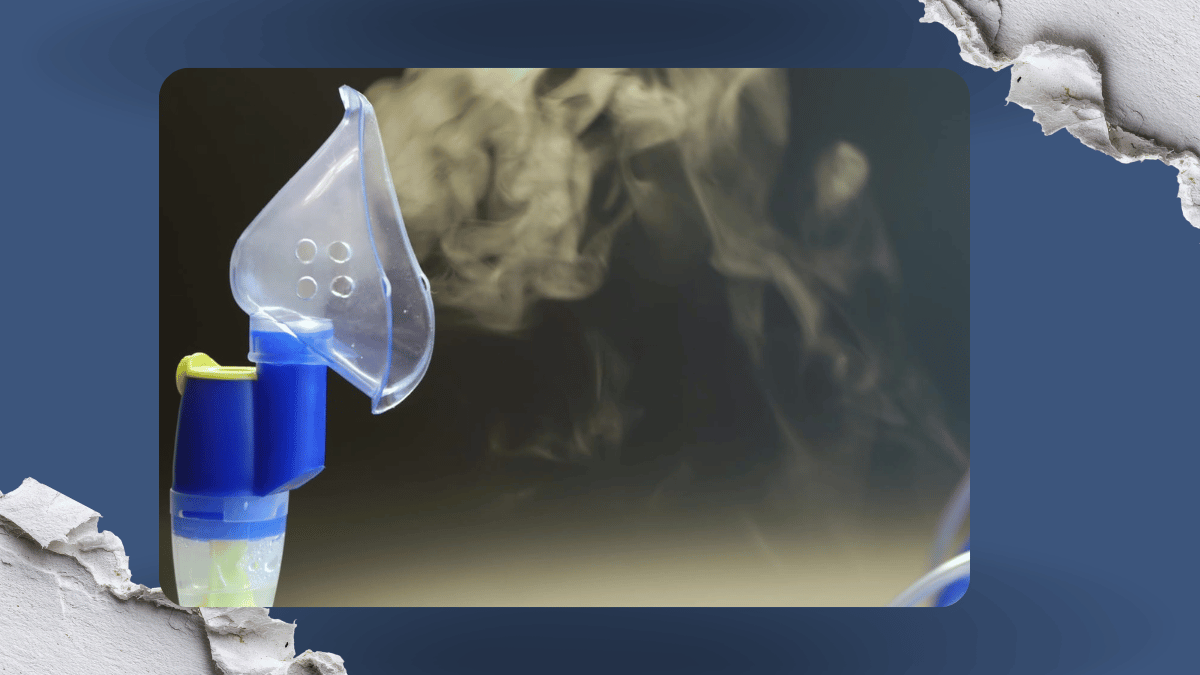
Allergies and asthma are two of the most common chronic conditions affecting children today. According to Dr. Divyank Pathak, a pediatric pulmonologist and critical care specialist, early recognition and proper management of these conditions are crucial for a child’s health and well-being. Left untreated, they can affect sleep, school performance, and overall quality of life.
What is Pediatric Allergy?
Pediatric allergies occur when a child’s immune system reacts abnormally to normally harmless substances, known as allergens. Common triggers include:
- Dust mites and pollen
- Pet dander
- Mold
- Certain foods like nuts, eggs, or milk
👉 Symptoms of allergies in children may include sneezing, runny nose, itchy eyes, skin rashes, or digestive discomfort. In severe cases, food allergies can lead to life-threatening reactions called anaphylaxis.
Understanding Pediatric Asthma
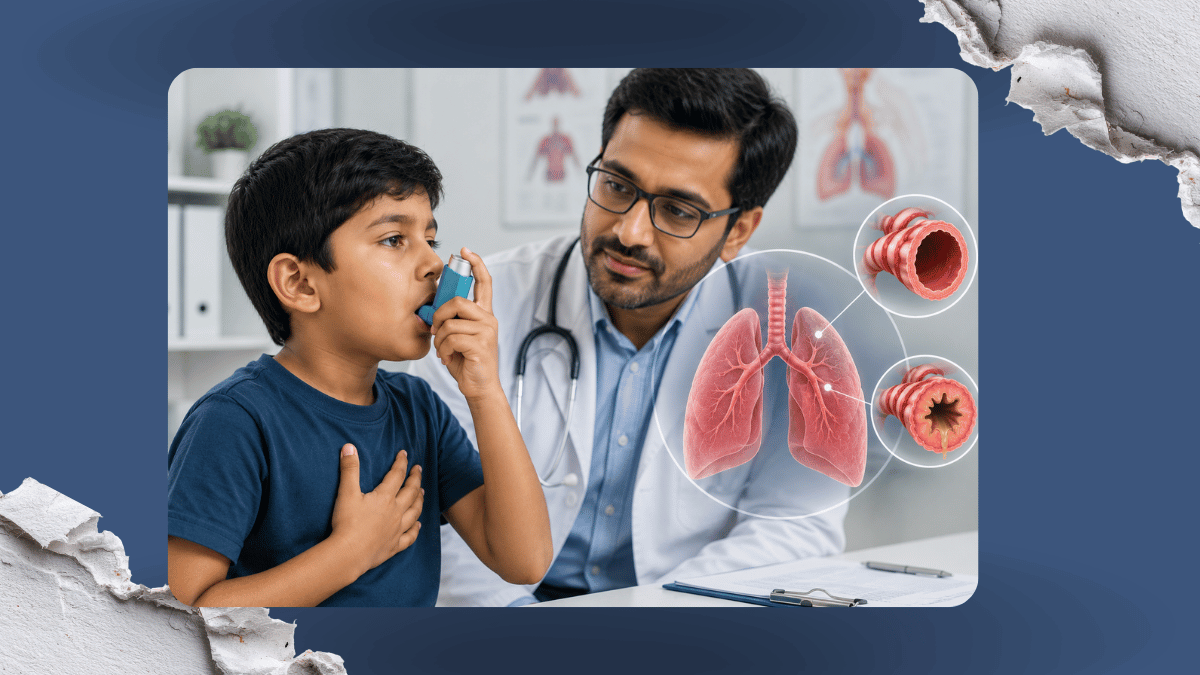
Asthma is a chronic condition that inflames and narrows the airways, causing breathing difficulties. Children with asthma may experience:
- Wheezing and persistent coughing
- Chest tightness
- Shortness of breath, especially during activity or at night
👉 Dr. Pathak emphasizes that asthma and allergies often coexist. Allergic reactions can trigger asthma attacks, making early diagnosis and consistent care even more important.
Signs You Shouldn’t Ignore
Parents should seek medical attention if a child experiences:
- Frequent coughing, especially at night
- Wheezing or noisy breathing
- Difficulty keeping up in sports or physical activity
- Severe allergic reactions to foods or insect bites
Diagnosis and Treatment
Diagnosing allergies and asthma involves a combination of:
- Detailed medical history and symptom tracking
- Physical examination
- Tests such as skin prick testing, blood IgE levels, or pulmonary function tests
- Treatment plans are tailored to each child. They may include:
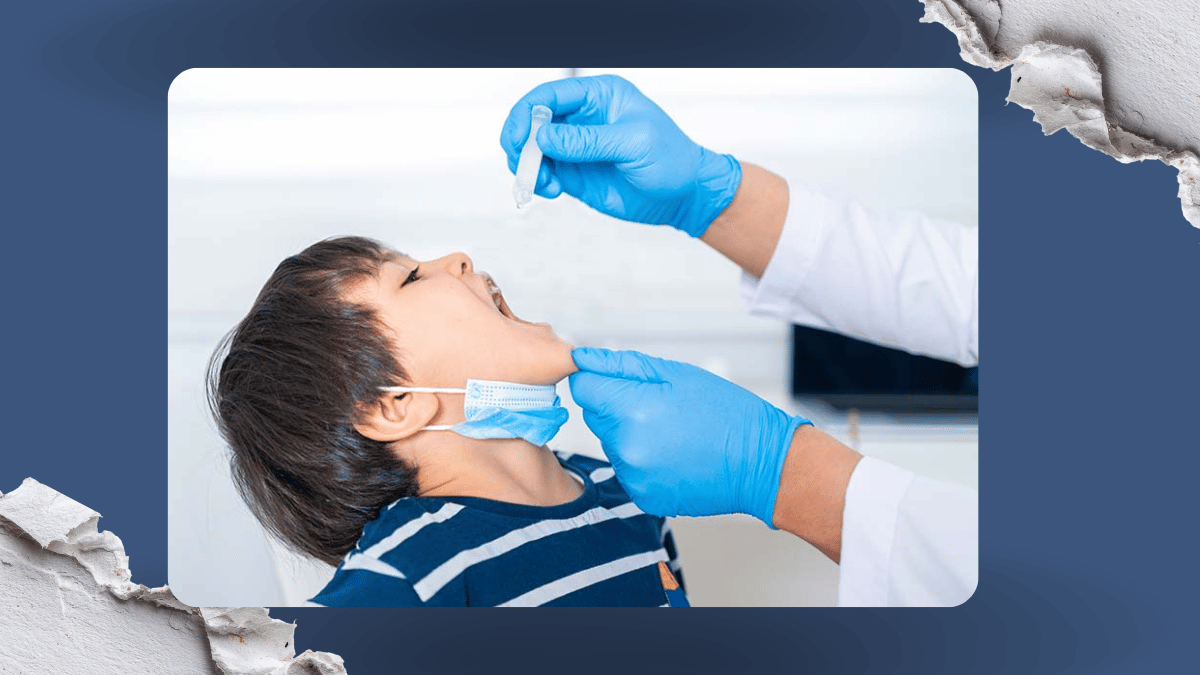
- Medications: Inhaled corticosteroids, bronchodilators, antihistamines, or leukotriene inhibitors
- Lifestyle changes: Allergen avoidance, maintaining a clean home, and regular exercise
Immunotherapy: For children with severe, persistent allergies
Dr. Pathak stresses that educating parents and children about inhaler techniques, trigger management, and early warning signs of attacks is as important as medications.
Living Well with Pediatric Allergy and Asthma
With proper care, children with allergies and asthma can lead normal, active lives. Early recognition, timely treatment, and consistent monitoring are key to preventing complications and ensuring a healthy childhood. Schools, caregivers, and families must collaborate to provide a safe and supportive environment for children managing these conditions.
Key Takeaway: Pediatric allergy and asthma are manageable. Awareness, early diagnosis, and a structured care plan can help children breathe easy, sleep well, and enjoy their childhood to the fullest.


Add a Comment