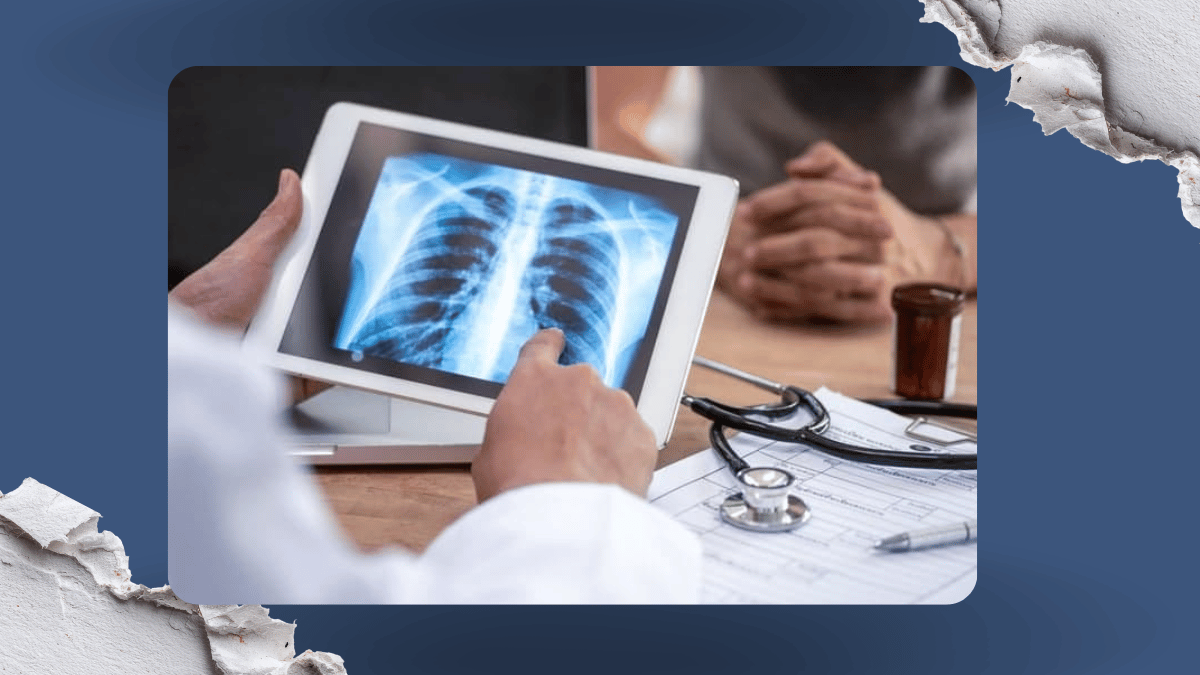
Respiratory health is one of the most crucial aspects of a child’s growth and development. As a pediatric pulmonologist, Dr. Divyank Pathak has seen how breathing difficulties, if left untreated, can affect a child’s overall health, growth, and daily life. Pediatric and neonatal pulmonology focuses on diagnosing, treating, and preventing respiratory disorders in newborns, infants, and children. Early recognition and appropriate care are vital for optimal lung health.
Understanding Pediatric and Neonatal Pulmonary Conditions
Children are particularly vulnerable to respiratory issues due to the ongoing development of their lungs and immune systems. Common pediatric pulmonary conditions include:
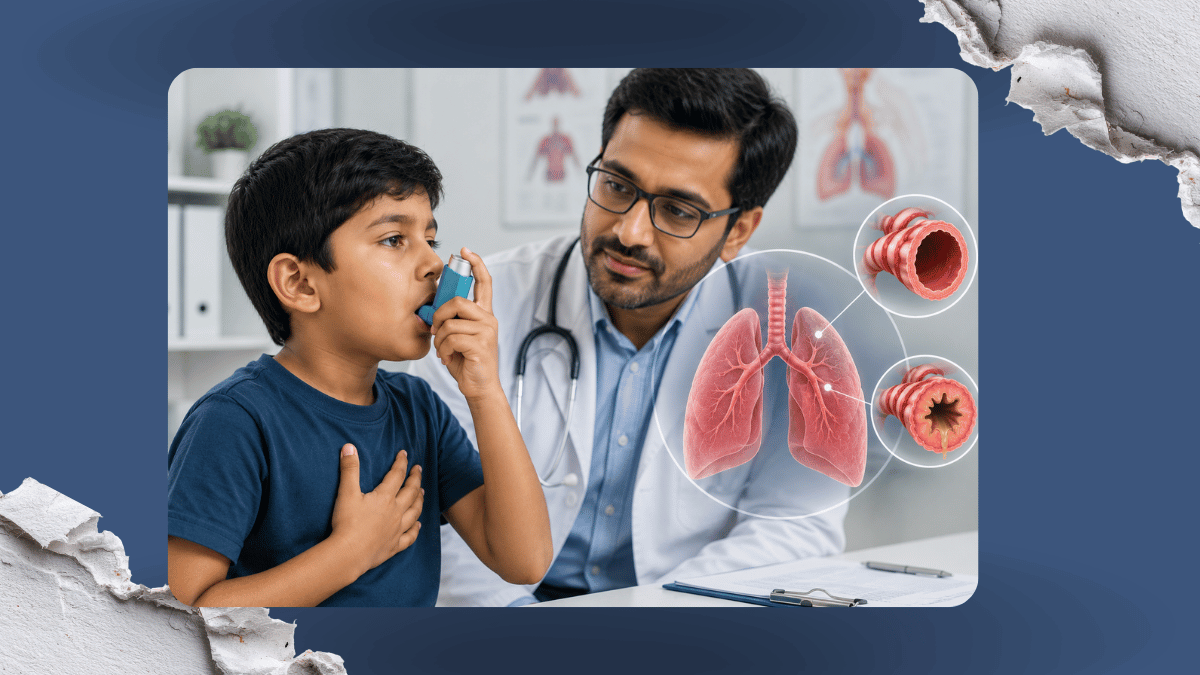
- Asthma: Chronic inflammation of the airways, causing wheezing, coughing, and difficulty breathing.
- Bronchiolitis: Often caused by viral infections in infants, leading to airway inflammation and breathing difficulties.
- Pneumonia: Infection of the lungs that can be bacterial or viral, potentially life-threatening if severe.
- Allergic and chronic respiratory conditions: Allergic rhinitis, chronic cough, and sleep-related breathing disorders.
In neonates, the first few weeks of life are critical, and lung immaturity can lead to conditions such as:
- Respiratory Distress Syndrome (RDS): Common in premature babies due to insufficient surfactant in the lungs.
- Meconium Aspiration Syndrome: Breathing difficulties caused by inhaled meconium at birth.
- Persistent Pulmonary Hypertension of the Newborn (PPHN): High blood pressure in the lungs, leading to oxygen deprivation.
Diagnosis and Treatment
Effective management starts with early recognition. Diagnosis in children and newborns often includes a combination of:
- Clinical evaluation of breathing patterns, oxygen levels, and chest sounds
- Imaging studies like X-rays or CT scans
- Pulmonary function tests (in older children)
- Blood tests and specialized assessments for allergies or infections
Treatment strategies are individualized, depending on the child’s age, condition, and severity. These may include:
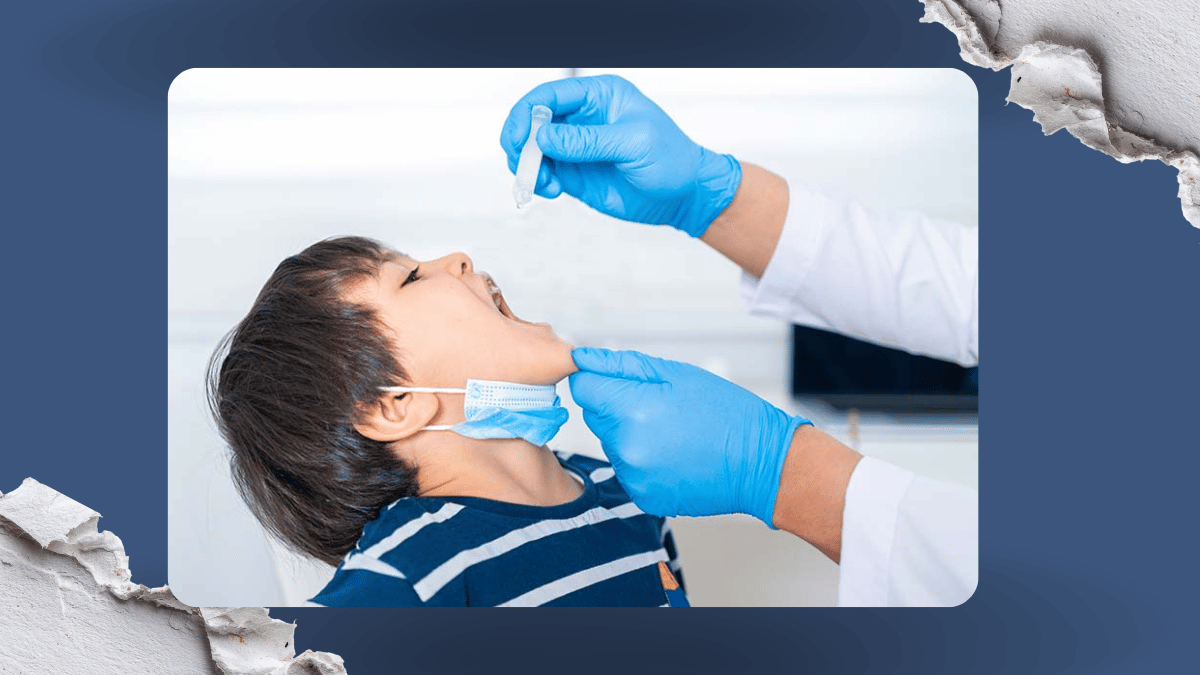
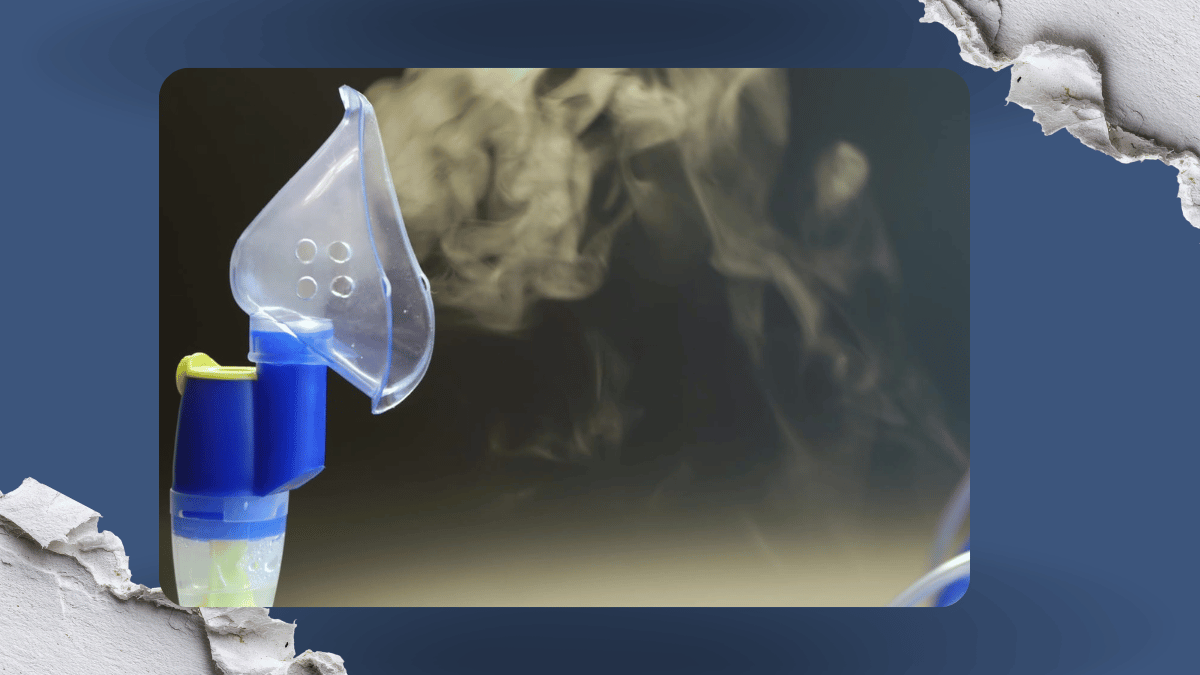
- Medications: Bronchodilators, corticosteroids, antibiotics, or antivirals
- Oxygen therapy and ventilation support: Essential for neonates and children with severe respiratory distress
- Allergen and environmental control: Reducing exposure to triggers in children with asthma or allergies
- Nutritional and supportive care: Critical for neonates with chronic lung disease or premature birth
Preventive Care and Parental Guidance
Prevention plays a vital role in pediatric pulmonology. Vaccinations, timely treatment of infections, avoiding exposure to smoke or pollutants, and educating parents on early warning signs can prevent complications and improve long-term lung health.
Dr. Pathak emphasizes that respiratory disorders in children can be effectively managed with early intervention and specialized care. With the right medical support, children can breathe easier, grow stronger, and lead healthy, active lives.
Key Takeaway: Pediatric and neonatal pulmonology ensures that children’s lungs develop and function optimally. Early diagnosis, proper treatment, and preventive care are essential to safeguarding a child’s respiratory health and overall well-being.

Add a Comment