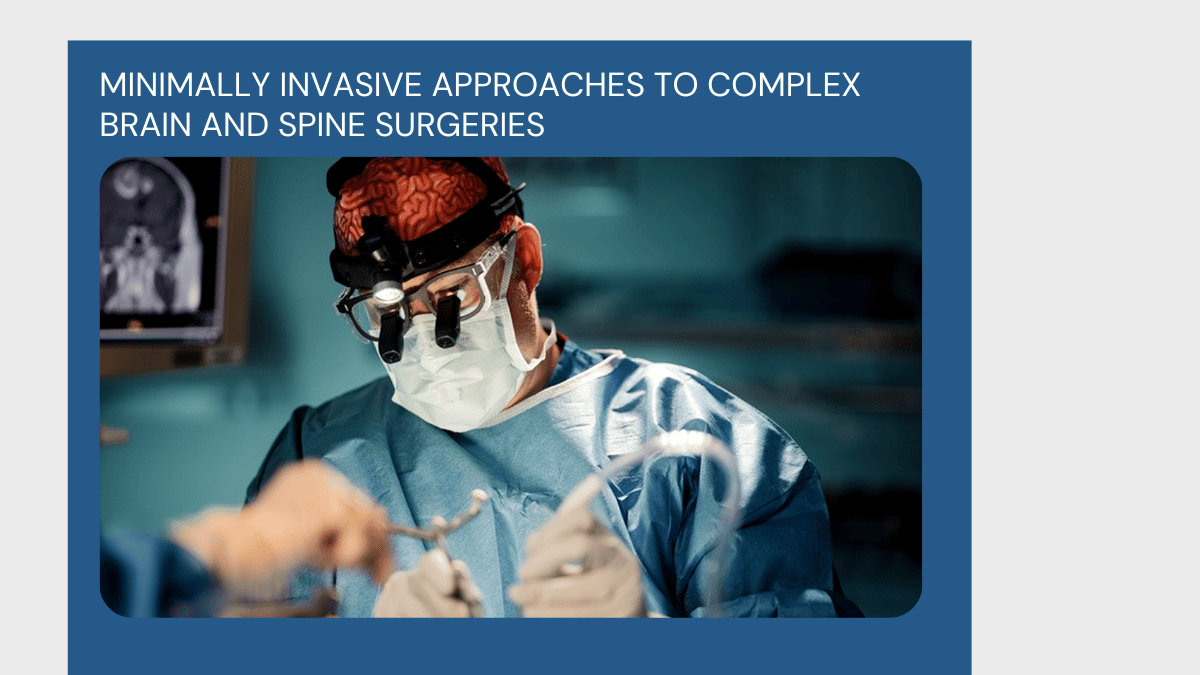
In my years as a neurosurgeon, I have witnessed a remarkable transformation in how we approach complex brain and spine conditions. The evolution from large, invasive surgeries to minimally invasive techniques has revolutionized patient care, making procedures safer and recovery faster. These advancements reflect a perfect blend of surgical expertise and cutting-edge technology, aimed at reducing trauma to delicate tissues while achieving optimal outcomes.
The Evolution of Neurosurgical Techniques:
Traditionally, neurosurgery required extensive craniotomies and wide tissue dissection, often involving prolonged hospital stays and significant pain. However, the last decade has seen a paradigm shift. With the advent of microscopic tools, endoscopes, and navigational systems, we now perform many complex procedures through tiny incisions or natural pathways. This evolution is driven by our desire to improve patient experience and minimize the physical toll of surgery.
Advantages of Minimally Invasive Neurosurgery:
The benefits are profound. Patients experience less postoperative pain, which often means reduced reliance on pain medications. They enjoy shorter hospital stays and quicker return to daily activities. Additionally, minimizing tissue damage leads to fewer complications, less scarring, and better cosmetic results. For my patients, especially those with comorbidities or in need of repeated procedures, these techniques significantly improve safety and recovery.
Techniques in Brain Surgery:
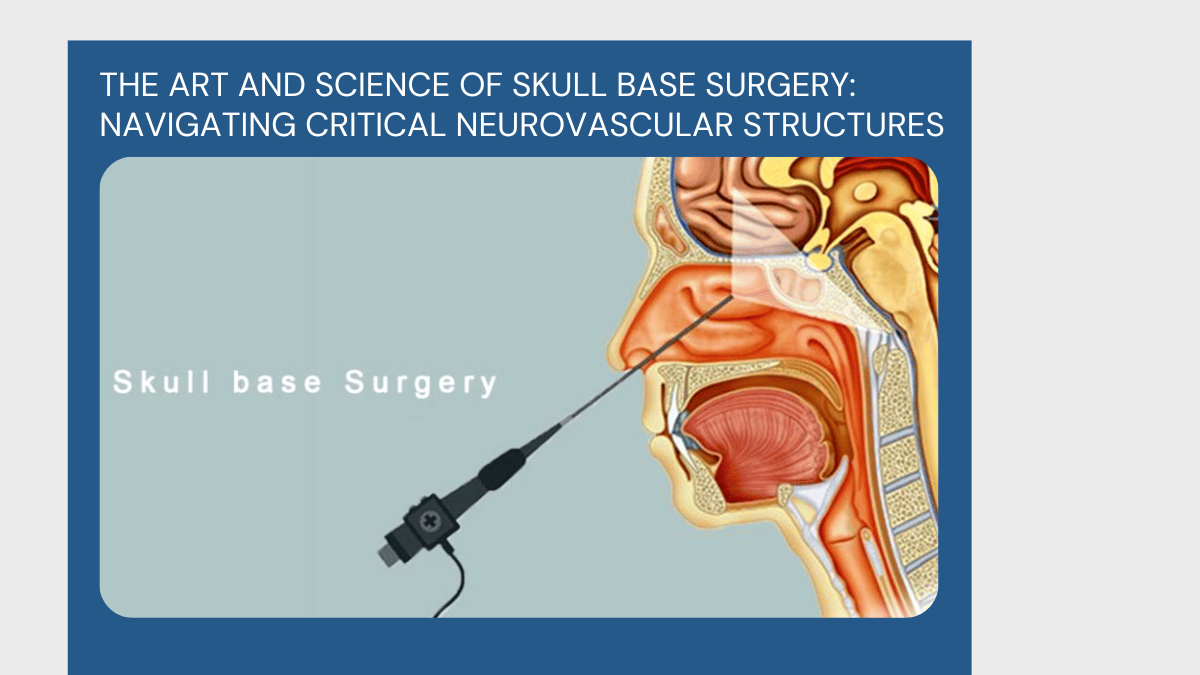
One of the most exciting areas is endoscopic tumor removal. Using tiny cameras inserted through natural orifices or small craniotomies, we can remove tumors like meningiomas with minimal disruption. Keyhole craniotomies involve small openings in the skull, tailored to the tumor’s location, reducing brain retraction and swelling. Functional neurosurgery, such as deep brain stimulation for Parkinson’s disease or tremors, now often employs minimally invasive electrodes inserted with remarkable precision, greatly improving patients' quality of life.
Techniques in Spine Surgery:
In spine surgery, procedures like minimally invasive discectomies remove herniated disc fragments through small incisions, allowing patients to regain mobility swiftly. Transforaminal Lumbar Interbody Fusion (TLIF) and Percutaneous Screw Fixation are techniques that stabilize the spine with minimal tissue disruption. These methods often result in reduced blood loss, less postoperative pain, and faster mobilization, which is vital for overall recovery.
The Technologies Powering Precision:
Modern neurosurgery relies heavily on advanced tools. Intraoperative navigation systems function like GPS, guiding us precisely during complex procedures. Endoscopes provide high-definition views within small corridors, and robotic assistance enhances accuracy. For example, robotic-guided screw placement in spine surgery ensures perfect alignment and safety, even in the most challenging cases.
Patient Selection: Who Benefits Most?
While minimally invasive techniques are transformative, they’re not suitable for every patient. Large tumors, extensive deformities, or complicating factors may still require traditional approaches. Careful patient evaluation, advanced imaging, and multidisciplinary planning help identify those who will benefit most from minimally invasive strategies.
Success Stories:
One memorable case involved a middle-aged woman with a large brain tumor near her motor cortex. Using a keyhole craniotomy combined with neuronavigation, we removed her tumor completely through a tiny opening. She was back on her feet in days, with minimal discomfort and no neurological deficits. Such success stories fuel my passion for this field.
The Future of Neurosurgery:
Looking ahead, technologies like augmented reality, AI-guided planning, and robotic systems are poised to further refine minimally invasive surgery. These innovations will make procedures safer, more precise, and accessible to more patients worldwide.
In my practice, I remain committed to offering the best possible care—combining surgical skill with innovation—to help my patients achieve their health goals with less trauma and faster recoveries. Minimally invasive neurosurgery isn’t just a trend; it’s a new standard of care transforming lives every day.

Add a Comment