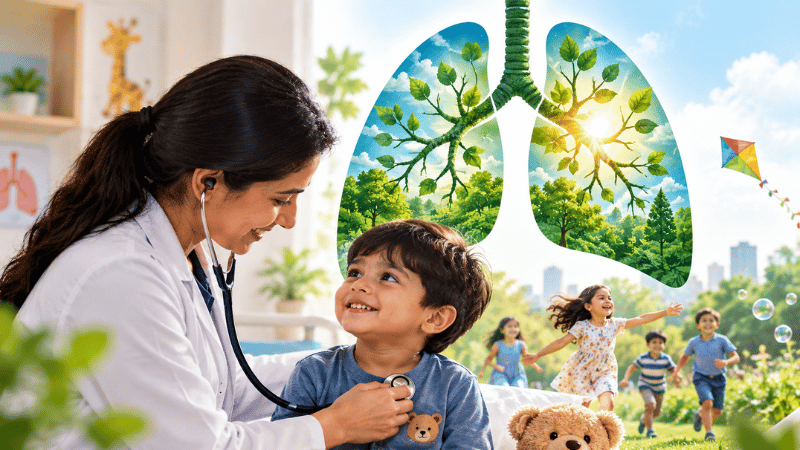
Every year, 25 September marks World Lung Day, a moment set aside to reflect on the global burden of respiratory disease. For me, this year carries a particular weight. Having practised paediatric medicine for more than 40 years, I have watched the landscape of childhood lung disease shift in ways that were not fully anticipated when I began.
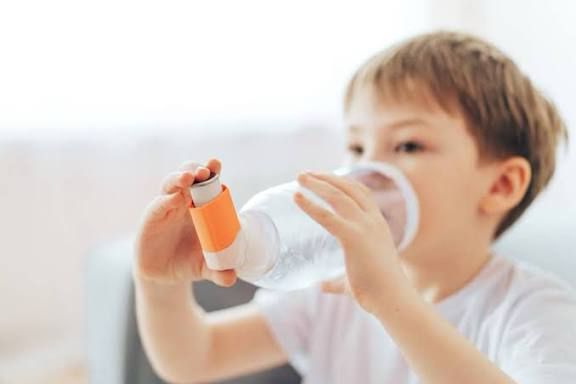
What has improved is real. Awareness of childhood asthma has grown. Inhaler therapy is more widely accepted. Families are increasingly alert to the signs of allergic disease. Yet the challenges that remain are just as significant as the progress made.
What Four Decades of Practice Reveal
When I started, many children with recurrent cough or wheezing were managed as repeated chest infections, with course after course of antibiotics, while the underlying diagnosis of asthma or allergic airway disease was delayed by months or even years. That picture has improved, but it has not disappeared.
Across my years in Bangalore, several patterns stand out:
Children with allergic rhinitis are still not routinely assessed for asthma, and those with asthma are not always asked about persistent nasal symptoms
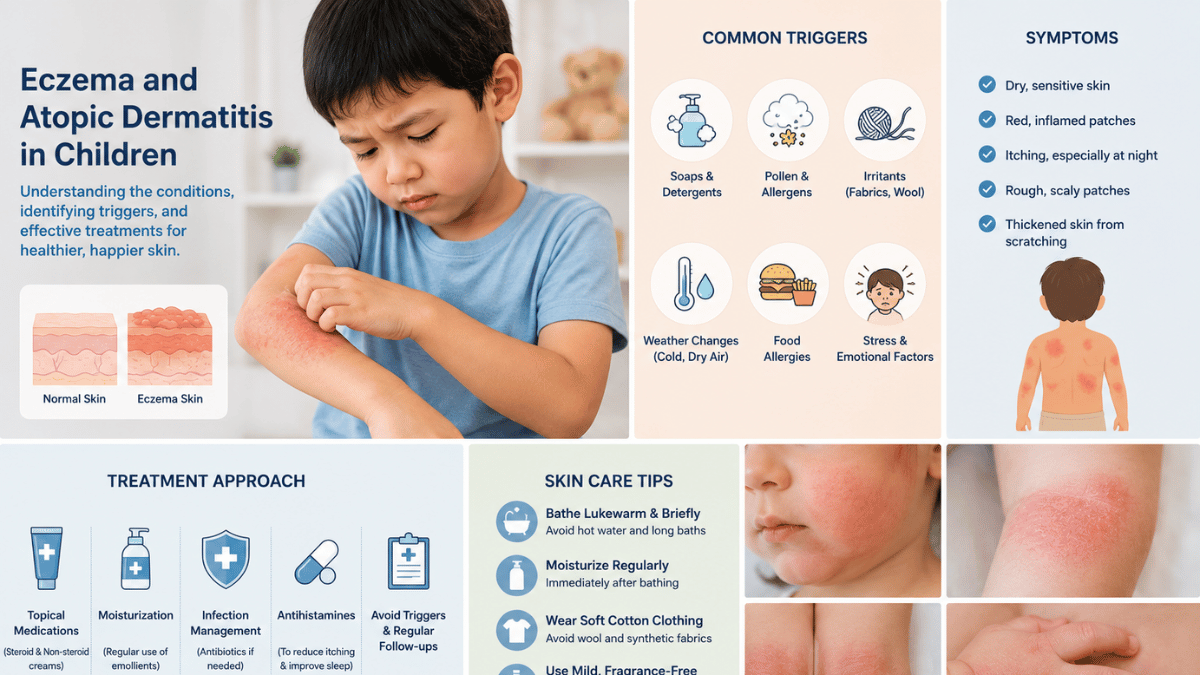
Food allergy and atopic dermatitis in early childhood are under-recognised as early markers of an allergic tendency that may later affect the lungs
Families often focus on the acute episode rather than the underlying airway inflammation that drives repeated episodes
Urban children now face air quality challenges that add to their allergic and respiratory burden in ways that were less prominent a generation ago
The IAP Perspective
As Chief National Coordinator of the IAP Action Plan Committee in 2024 I have seen both the need and the capacity for change at a national level.
Standardising how paediatricians across India identify, assess and manage childhood allergic airway disease is one of the most important levers we have. A child in a smaller city deserves the same quality of diagnosis as a child in a metropolitan centre. That requires not only access to specialists but also the knowledge and tools to identify respiratory disease early, at the primary care level.
What Families Can Do
If you are a parent in Bangalore or anywhere in India, this World Lung Day is a good time to reflect on a few questions:
Does your child cough more at night, during exercise or after exposure to dust or cold air?
Has your child been treated for repeated chest infections without a clear improvement in the overall pattern?
Does your child snore, breathe through the mouth or frequently have a blocked nose?
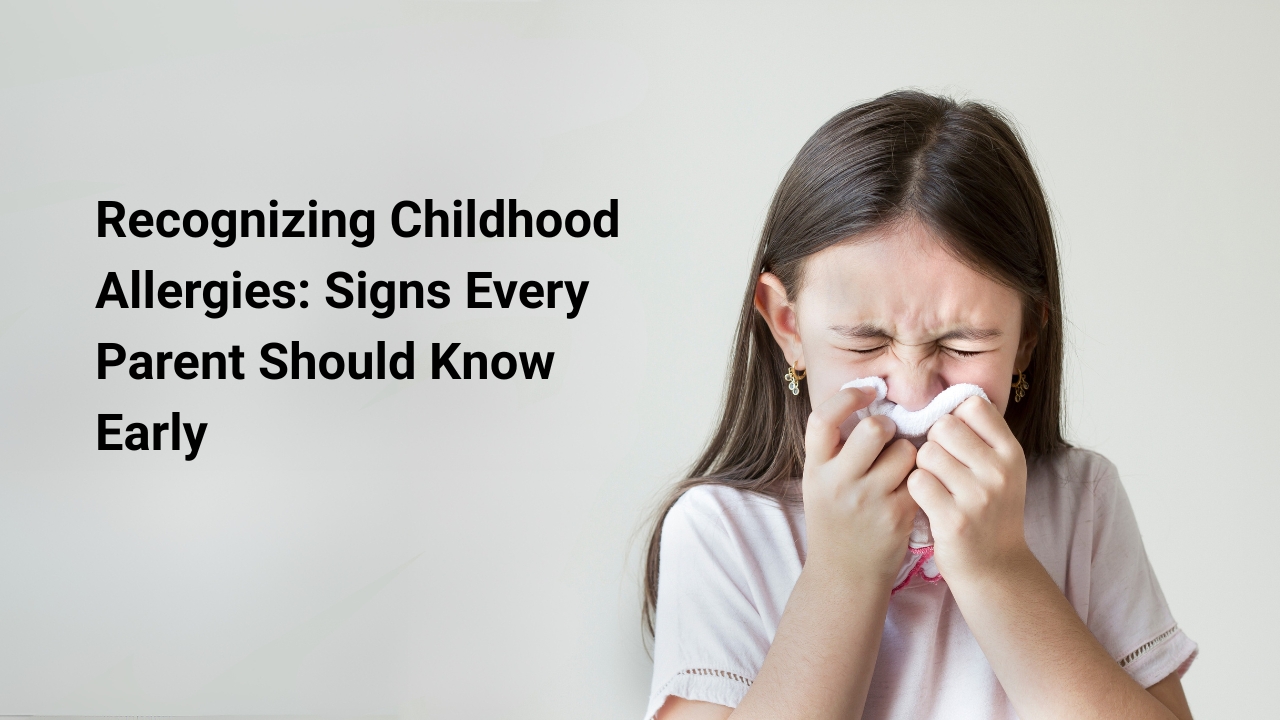
Has anyone assessed whether nasal allergy, asthma or a food allergy might be part of the picture?
These are not reasons to be alarmed. They are reasons to seek a proper evaluation. A structured allergy and respiratory assessment, including skin prick testing and lung function where appropriate, can provide the clarity that frequent consultations and repeated prescriptions cannot.
A Long View, and an Optimistic One
After 40 years and more than 50,000 children and families seen at Mother and Child Care Centre in Koramangala, I remain optimistic. The children who receive an accurate diagnosis early, whose families understand how to manage triggers, use medication correctly and recognise warning signs, do better. The lungs of children are resilient when given the right support.
This World Lung Day, let us make sure that more children get that support: the right diagnosis, at the right time, with the right treatment. That is what paediatric respiratory medicine can offer, and it is what every child deserves.
World Lung Day: A Paediatrician's View on Childhood Lungs

Add a Comment