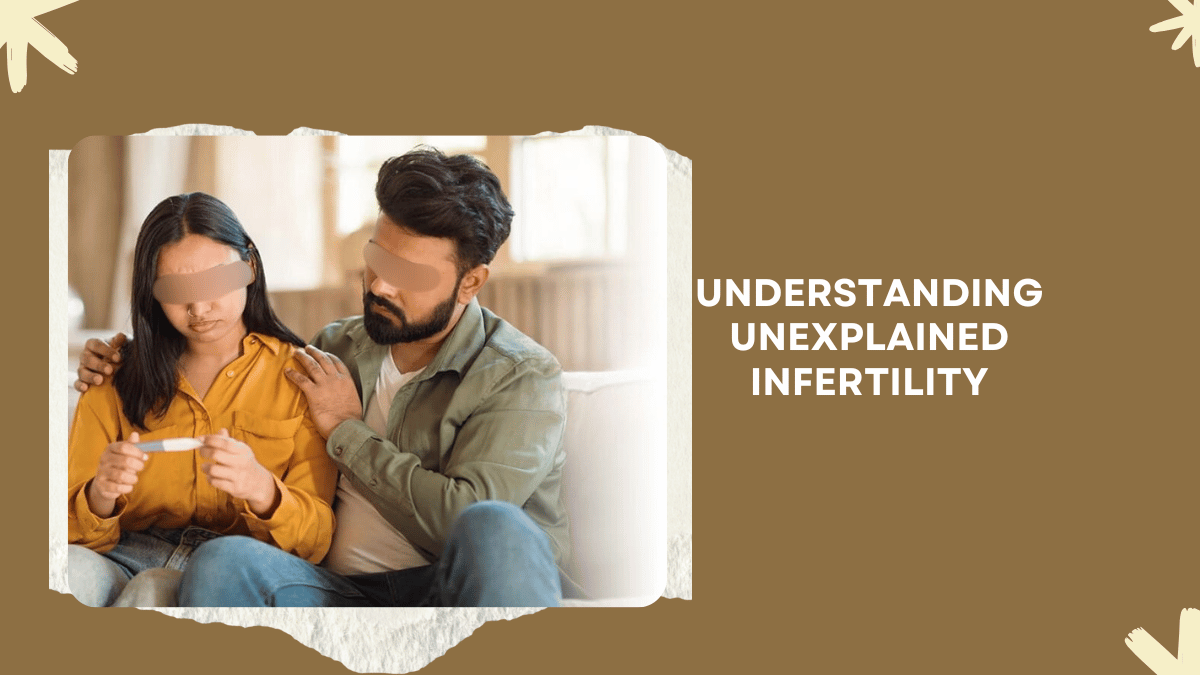
Unexplained infertility is often one of the most unsettling diagnoses a couple can receive—not because answers are found, but because they are not. Everything appears normal: menstrual cycles are regular, ovulation is confirmed, semen parameters are reassuring, and yet pregnancy remains elusive. For couples who have done everything “right,” this uncertainty can be deeply frustrating and emotionally exhausting.
In my practice, I recently worked with a 39-year-old patient, “Meera” (name changed for privacy), who had been trying to conceive for over three years. Her husband’s semen analysis was normal, and her hormonal and ovulatory profiles were within the standard range. Despite multiple cycles of timed intercourse and fertility treatments, conception did not occur. After a thorough evaluation, we classified her condition as unexplained infertility, a diagnosis made after excluding all known causes.
Causes of Unexplained Infertility
Even when tests appear normal, several subtle factors may affect fertility:
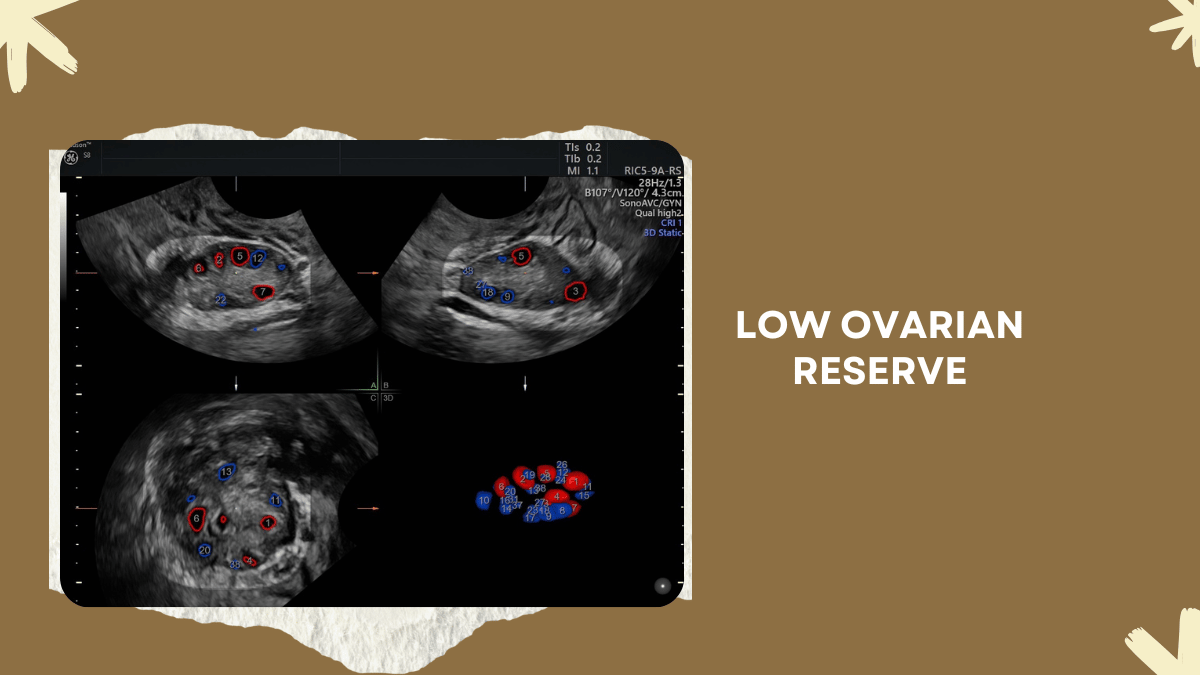
Egg quality decline due to age or ovarian reserve issues
Subtle sperm defects that standard semen analysis may not detect
Implantation or endometrial receptivity problems
Immune or hormonal imbalances affecting fertilization or implantation
Treatment Approaches
For patients like Meera, I emphasize a stepwise and personalized approach. Initial treatments often include ovulation induction, timed intercourse, or intrauterine insemination (IUI) combined with lifestyle optimization. If these methods are unsuccessful, assisted reproductive techniques such as IVF can be considered. In Meera’s case, we started with ovulation induction and IUI while optimizing her nutrition, reducing stress, and monitoring hormonal balance. After three cycles, she successfully conceived on her second IVF attempt, highlighting the importance of persistence and tailored care.
Alternative Plans and Support
For couples who face repeated failures, I discuss alternative options such as egg donation, embryo donation, or adoption, always ensuring that emotional and psychological support is available. Counseling and patient education are crucial, as unexplained infertility can be mentally challenging and affect relationships.
Conclusion
Unexplained infertility, while emotionally taxing, is not a dead-end. With careful evaluation, personalized treatment, and supportive care, many couples can achieve successful conception. In my experience, the key is a patient-focused, evidence-based approach, combined with hope, resilience, and the willingness to explore alternative paths when needed. For patients like Meera, persistent effort, guided by expert care, transforms uncertainty into joy and the possibility of parenthood.
Add a Comment