A Clinician’s Insight into Repeated Implantation Failure
Each failed embryo transfer carries not just a clinical outcome, but a quiet accumulation of hope, anxiety, and unanswered questions. In my fertility practice, I meet couples who arrive with detailed reports, good-quality embryos, and one pressing question: “Why is implantation still not happening?”
Repeated Implantation Failure (RIF) is one of the most complex and emotionally demanding challenges in reproductive medicine. It refers to the failure of embryos to implant successfully despite multiple transfers of good-quality embryos. Managing RIF requires far more than repeating the same protocol it demands careful investigation, clinical experience, and a truly individualized approach.
In my experience, RIF is rarely caused by a single factor. It often results from a combination of uterine abnormalities, hormonal imbalances, immune system influences, genetic factors, and subtle lifestyle elements that together disrupt implantation. For instance, I recently treated a patient, “Anita” (name changed for privacy), who had undergone three IVF cycles without success. Despite transferring high-quality embryos each time, implantation did not occur. A detailed evaluation revealed a thin endometrium along with mild autoimmune antibodies affecting implantation.
Once these underlying issues were identified, we designed a personalized treatment plan. This included targeted endometrial preparation with hormonal therapy, immune modulation, and lifestyle optimization focusing on nutrition, stress reduction, and overall reproductive health. Following these interventions, Anita conceived successfully in her fourth IVF cycle. Her journey highlights the importance of precise diagnosis and individualized care in managing repeated implantation failure.
From a clinical standpoint, my approach to RIF involves several essential steps:
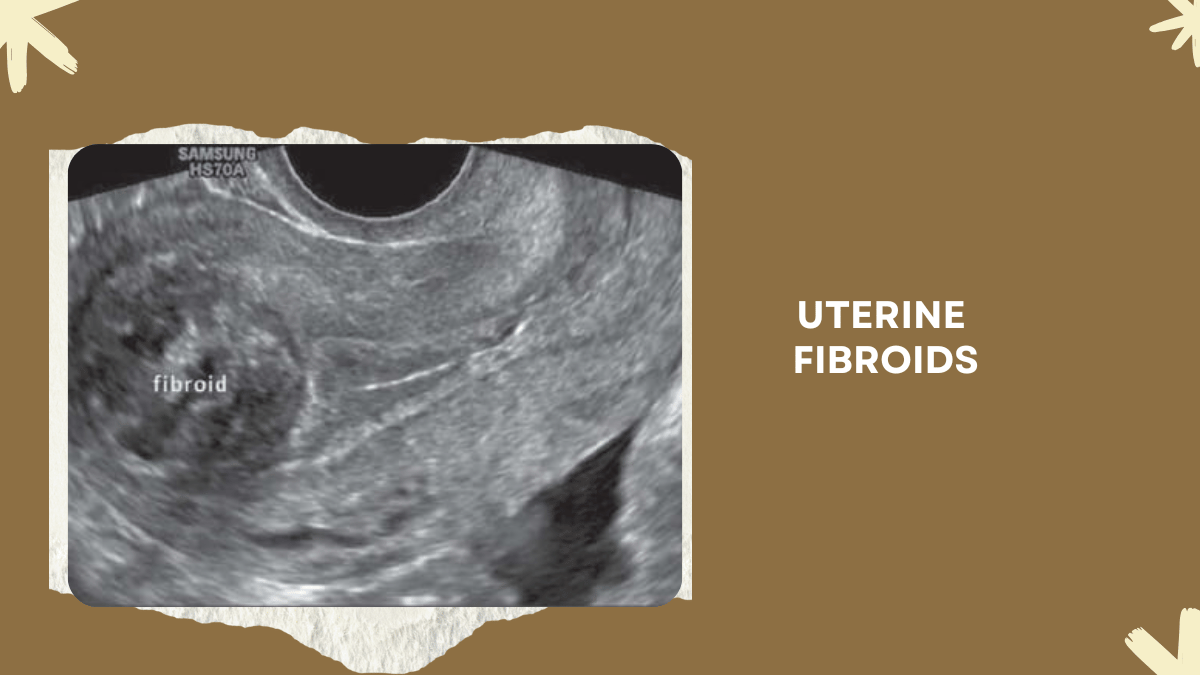
Comprehensive Diagnostic Assessment – Evaluating uterine anatomy through imaging, assessing hormonal profiles, performing genetic screening of embryos, and identifying immune factors that may impair implantation.
Personalized Treatment Planning – Developing tailored protocols based on identified causes, which may include hormonal support, immunotherapy, or optimization of embryo transfer timing and technique.
Lifestyle and Supportive Care – Emphasizing nutrition, stress management, and emotional support, recognizing that psychological wellbeing plays a vital role in reproductive outcomes.
Repeated Implantation Failure can feel overwhelming, but it is important for couples to know that repeated failure does not mean the end of their fertility journey. With persistent effort, expert evaluation, and evidence-based interventions, many couples go on to achieve successful pregnancies.
If you or someone you know is facing repeated implantation failure, seeking care from an experienced infertility specialist is crucial. A thoughtful, individualized approach combined with compassionate support can significantly improve the chances of success and help restore hope during a challenging journey.
When Hope Repeats but Implantation Doesn’t:
Add a Comment