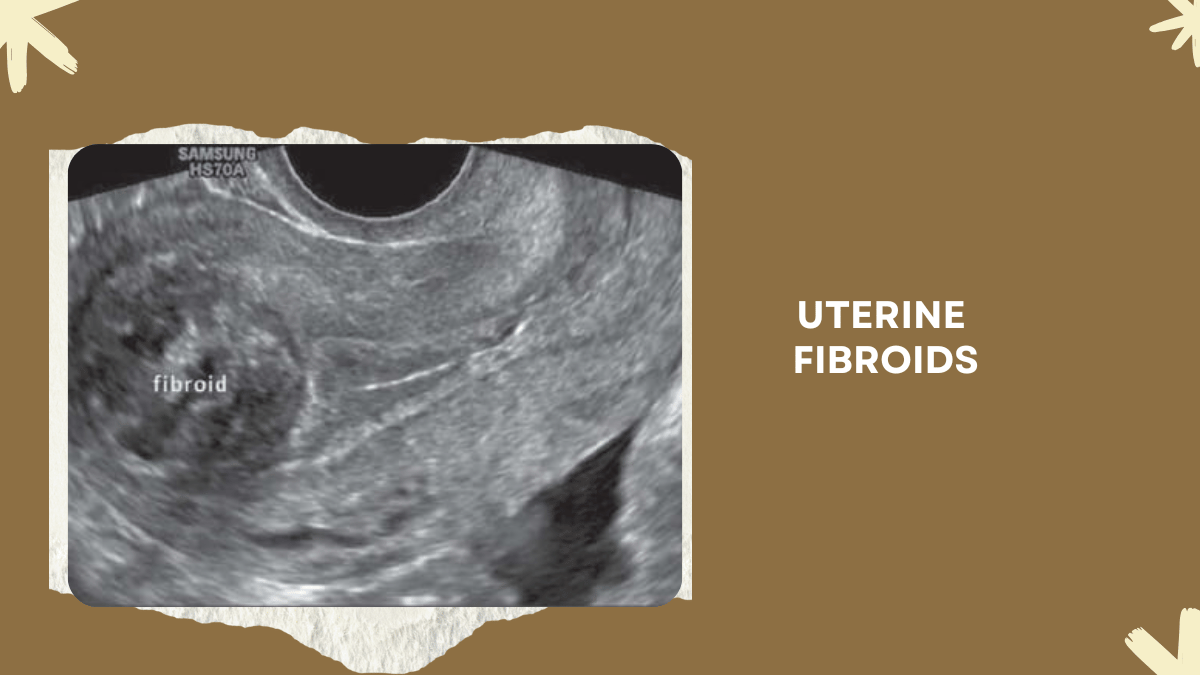
Uterine fibroids are one of the most common benign growths affecting women during their reproductive years. While many women may have fibroids without experiencing symptoms, others may face significant discomfort, heavy bleeding, or fertility challenges. Understanding uterine fibroids helps women recognize symptoms early and seek appropriate care.
In my clinical practice, I frequently see women who have lived with heavy bleeding, pelvic pressure, or unexplained fertility concerns for years before being diagnosed with uterine fibroids. Many assume these symptoms are simply part of normal aging or menstruation, but they often signal an underlying condition that needs attention. Every patient’s fibroid pattern is different, and my experience has shown that treatment must be individualized ranging from careful monitoring to medical or surgical management based on symptoms, age, and future pregnancy plans. With timely diagnosis and the right approach, most women experience significant symptom relief and improved quality of life.
What Are Uterine Fibroids?
Uterine fibroids, also known as leiomyomas, are non-cancerous tumors that develop from the muscle layer of the uterus. They can vary in size from very small, undetectable nodules to large masses that distort the shape of the uterus. Fibroids may occur as a single growth or multiple clusters and are classified based on their location within or around the uterus.
Common Symptoms of Uterine Fibroids
Many women with fibroids have no symptoms, but when symptoms do occur, they may include:
Heavy or prolonged menstrual bleeding
Menstrual pain or pelvic pressure
Abdominal bloating or a feeling of fullness
Frequent urination or difficulty emptying the bladder
Constipation or lower back pain
Pain during intercourse
Difficulty conceiving or recurrent pregnancy loss
The severity of symptoms often depends on the size, number, and location of the fibroids.
What Causes Uterine Fibroids?
The exact cause of fibroids is not fully understood, but several factors are known to influence their growth:
Hormones, particularly estrogen and progesterone
Genetic factors, as fibroids often run in families
Reproductive age, with fibroids most commonly occurring between ages 30 and 50
Fibroids often shrink after menopause due to reduced hormone levels.
How Are Fibroids Diagnosed?
Diagnosis usually begins with a pelvic examination followed by imaging tests. Ultrasound is the most common and effective method for identifying fibroids. In some cases, MRI may be recommended to assess size, number, and exact location. Early diagnosis allows for better symptom control and treatment planning.
Fibroids and Fertility
While many women with fibroids conceive without difficulty, certain fibroids especially those that distort the uterine cavity can affect fertility or pregnancy outcomes. Treatment decisions for women planning pregnancy are carefully tailored to preserve the uterus and optimize reproductive health.
Treatment Options for Uterine Fibroids
Treatment depends on symptoms, age, fibroid size, and reproductive goals. Options may include:
Observation, if fibroids are small and asymptomatic
Medications to control bleeding and pain
Minimally invasive procedures to reduce fibroid size
Surgical options, such as myomectomy, for severe symptoms or fertility preservation
A personalized approach ensures effective relief while maintaining long-term health.
Living With Uterine Fibroids
Uterine fibroids are common and manageable. With timely medical evaluation and individualized treatment, most women experience significant improvement in symptoms and quality of life. Heavy periods and persistent pelvic discomfort should never be ignored early consultation can make a meaningful difference.
Add a Comment