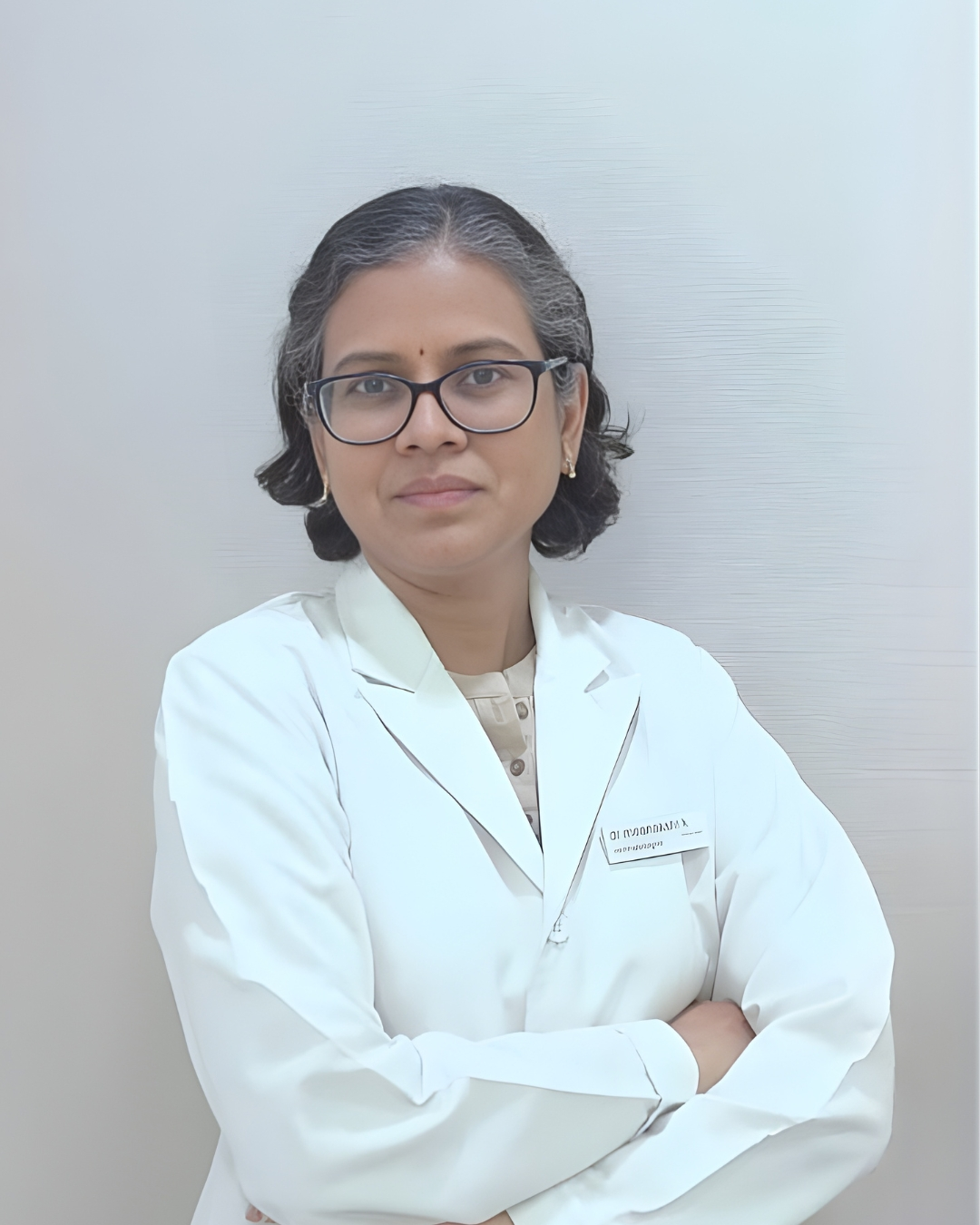
Women present with hair loss from a significantly wider range of causes than men, and identifying the correct cause before starting any treatment is the most important step. As a Dermatologist with 19+ years of practice in Bengaluru, the most common mistake I see is treatment being started before a diagnosis is confirmed - which wastes time and often misses a treatable underlying cause.
- Androgenetic alopecia (female pattern hair loss): Diffuse thinning over the crown with widening of the central parting. Driven by DHT sensitivity of hair follicles, often with a genetic component
- Telogen effluvium: Diffuse shedding occurring two to four months after a trigger - childbirth, illness, surgery, major weight loss, or severe psychological stress. Post-partum hair loss is the most common presentation I see in women aged 25 to 40
- Iron deficiency: Even without anaemia, low ferritin is one of the most frequently missed causes of hair loss in premenopausal women and responds well to supplementation Thyroid dysfunction: Both hypothyroidism and hyperthyroidism cause diffuse hair thinning and are entirely treatable once identified
- PCOS: Elevated androgen levels in PCOS accelerate follicular miniaturisation, producing a pattern similar to androgenetic alopecia, often alongside acne and hirsutism Postmenopausal hair loss: Declining oestrogen shifts the androgenic balance and accelerates pattern thinning in predisposed women - treatable, not inevitable Men primarily present with androgenetic alopecia in predictable patterns. Women require a more thorough hormonal and systemic evaluation before any treatment is recommended. A dermatological hair assessment including trichoscopy and targeted blood tests is the correct starting point.
Written by Dr Meenakshi K, MBBS (M S Ramaiah Medical College), DVD (Bangalore Medical College), Consultant Dermatologist, Spectrum Diagnostics, Subramanyanagar / Skin Affair Clinic, Mahalakshmipuram / Kaya, Sadashiva Nagar, Bengaluru. Phone: +91 6361319178.