Most patients who come to NiSH Clinic for gallbladder surgery in Jayanagar go home the same day or the morning after the procedure, and then find themselves wondering what normal recovery actually looks like. The operation itself is the part that has a surgeon in the room. The recovery happens at home, and the questions that come up in those first few days, about what to eat, when to move, what pain is normal, and when something needs medical attention, are the questions I want to answer here before you need to ask them. Laparoscopic cholecystectomy has one of the fastest recovery profiles of any abdominal surgery, but recovery still requires a clear understanding of what to expect.
The First 24 to 48 Hours After Surgery
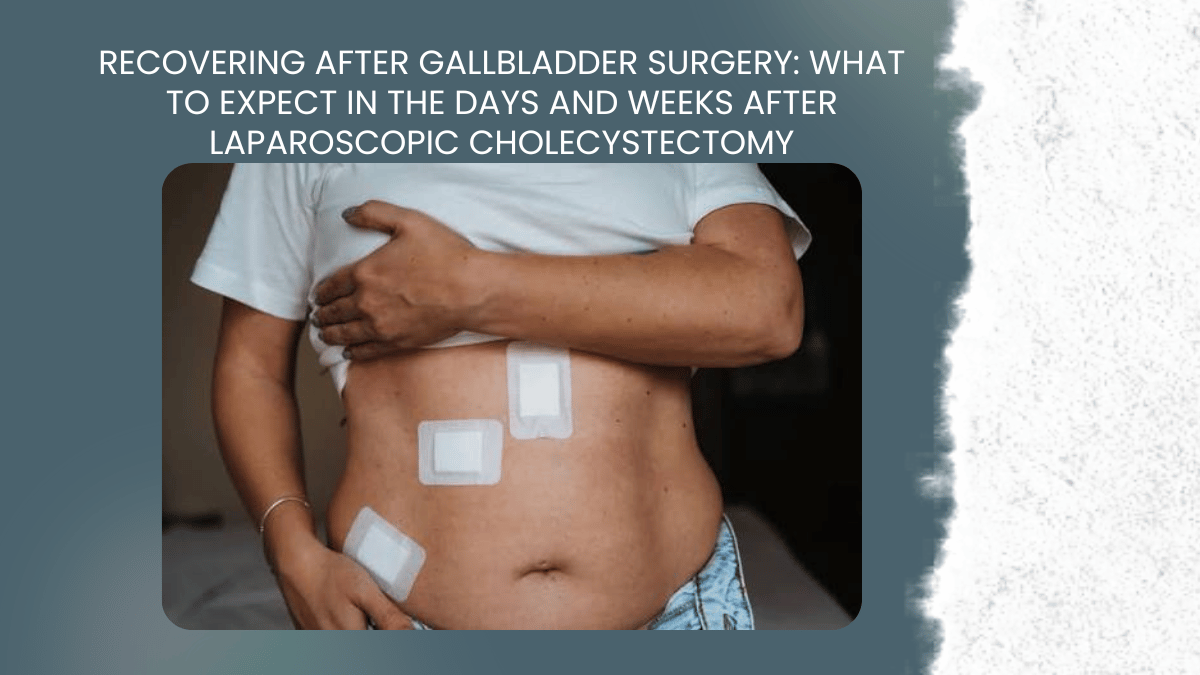
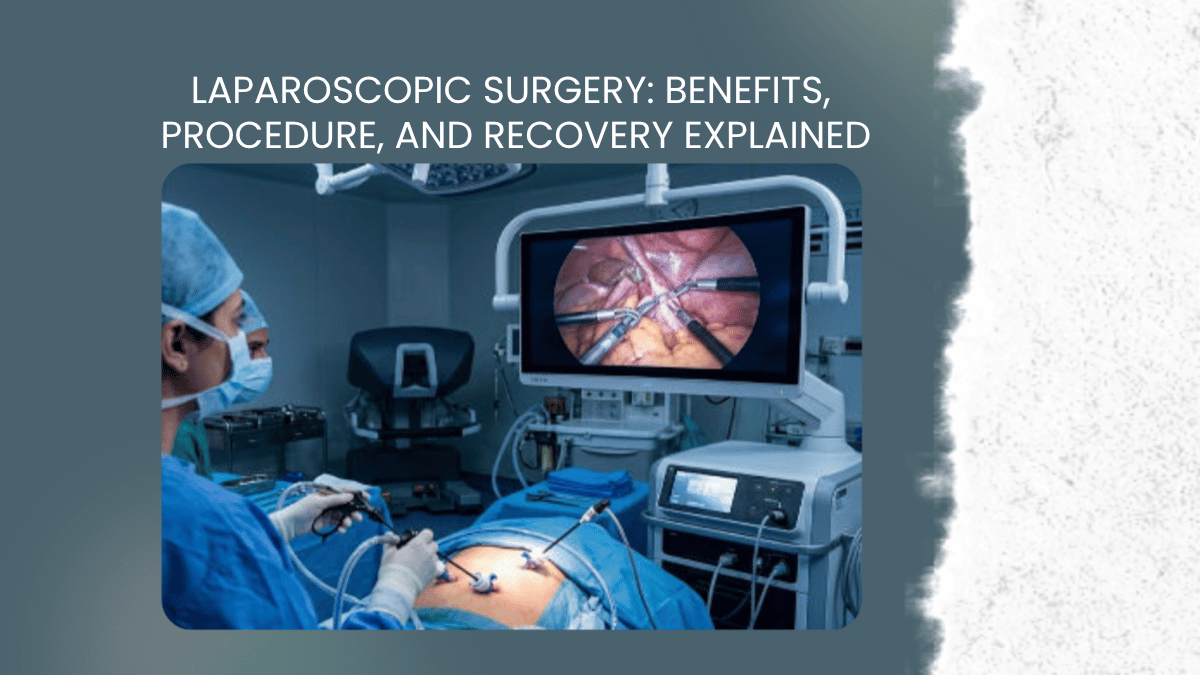
Most patients feel groggy for several hours after laparoscopic cholecystectomy due to the general anaesthetic, and some experience nausea, which usually settles by the evening of surgery. Shoulder tip pain is one of the most commonly reported and most frequently surprising symptoms of laparoscopic surgery: it is caused by residual carbon dioxide gas used to inflate the abdomen during the procedure, which irritates the diaphragm and is felt as referred pain in the shoulder and upper chest. It is not cardiac pain and not a sign of a complication. It typically resolves within 24 to 48 hours as the gas is absorbed. The four small incision sites will be covered with dressings, and there will be some local bruising and soreness around them. Most patients are mobile and walking short distances at home by the evening of surgery. Early gentle movement is encouraged because it reduces the risk of clot formation and helps the gas reabsorb faster.
Diet After Gallbladder Removal: What You Can and Cannot Eat
The gallbladder stores bile and releases it in response to fatty meals. After its removal, bile flows continuously from the liver into the small intestine rather than being stored and released in controlled amounts. This means the digestive system has less capacity to handle large amounts of fat in a single meal, particularly in the first few weeks after surgery. For the first week, a light diet of small frequent meals with low fat content is advisable. Fatty or fried foods, full-fat dairy, heavy curries, and large portions are best avoided initially. Most patients can return to a normal diet within four to six weeks as the body adjusts to the continuous bile flow, though a small number of patients experience persistent loose stools with fatty foods and may need longer-term dietary adjustment.
Activity, Work, and Return to Normal Life
Most patients doing desk work or light activity can return to work within a week of laparoscopic cholecystectomy. Physically demanding work or heavy lifting should be avoided for four to six weeks to allow the abdominal wall incisions to heal fully and to prevent hernia formation at the port sites. Driving should be avoided until you can perform an emergency stop comfortably without hesitation due to pain, which is typically one week after surgery. Exercise including walking can be resumed gradually from the first week, with more vigorous activity introduced progressively after the first month. Most patients feel back to their normal level of energy and activity within two to three weeks of laparoscopic gallbladder surgery.
Warning Signs That Need Medical Attention
The following symptoms after gallbladder surgery warrant a call or visit to NiSH Clinic: fever above 38 degrees Celsius, which can indicate wound infection or an intra-abdominal collection; increasing rather than improving pain beyond the first two days; yellowing of the skin or whites of the eyes, which can indicate a bile duct problem; dark urine or pale stools, which suggest bile is not reaching the intestine normally; redness, swelling, discharge, or increased warmth around any of the port sites; and persistent vomiting or inability to tolerate fluids. None of these is a reason to panic, but all of them are reasons to contact your surgeon rather than wait and see. The purpose of post-operative follow-up is to identify these early when they are straightforward to manage, before they become complicated. My contact details and clinic hours are below.
To book a surgical consultation with Dr. Moksha Gowda at NiSH Clinic, 48, 7th B Main Road, near Vinayaka Temple, 4th Block, Jayanagar, Bengaluru 560011 (Monday to Saturday, 9:30 AM to 12:00 PM and 4:00 PM to 6:00 PM), call +91 9731174360 or visit linqmd.com/doctor/moksha-g
Written by Dr. Moksha Gowda, MBBS (Rajiv Gandhi University of Health Sciences, 2006), DNB General Surgery (National Board of Examinations, New Delhi, 2011), Consultant General and Laparoscopic Surgeon, NiSH Clinic, 48, 7th B Main Road, near Vinayaka Temple, 4th Block, Jayanagar, Bengaluru 560011. Monday to Saturday, 9:30 AM to 12:00 PM and 4:00 PM to 6:00 PM. Phone: +91 9731174360.
Related reading
Gallbladder Stones: Symptoms, Treatment, and When to Consider Surgery – A Guide by Dr. Moksha Gowda
Laparoscopic Surgery: Benefits, Procedure, and Recovery Explained by Dr. Moksha Gowda
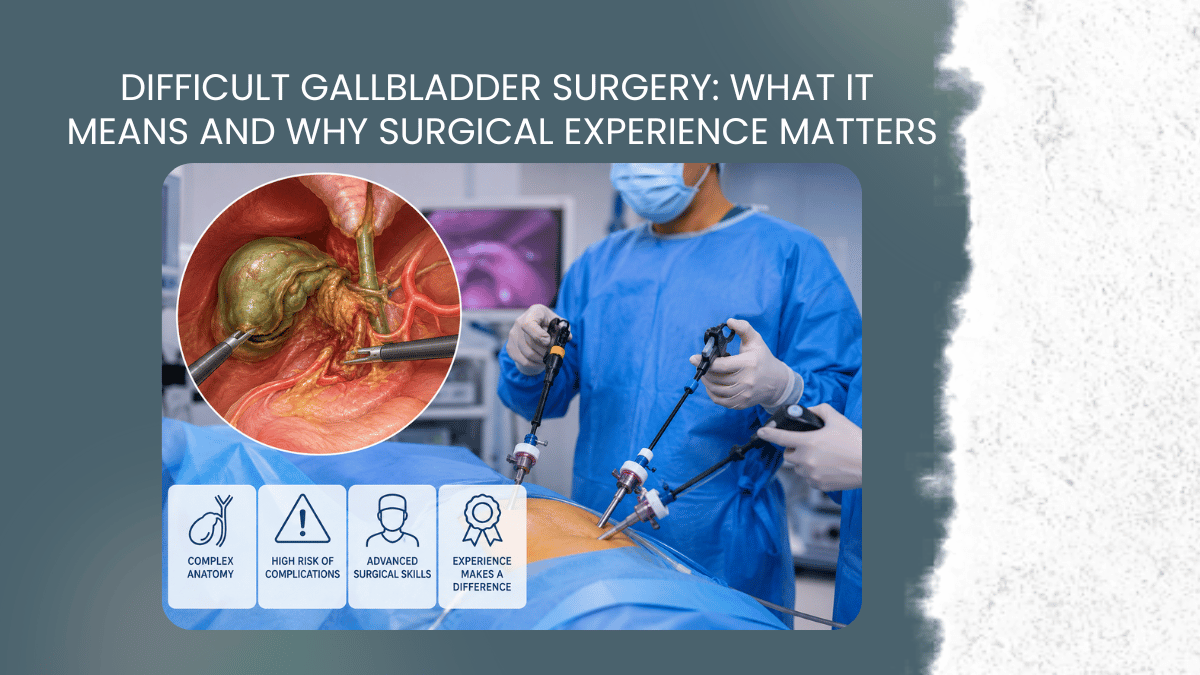
Difficult Gallbladder Surgery: What It Means and Why Surgical Experience Matters
Add a Comment