The gallbladder stores bile and releases it in response to fat in a meal. After its removal, bile flows continuously from the liver into the small intestine rather than being stored and released in controlled amounts. This means the digestive system has less capacity to process large amounts of fat in a single sitting, particularly in the weeks immediately after surgery. For the first week after laparoscopic cholecystectomy at NiSH Clinic, Jayanagar, I advise patients to follow a light diet of small frequent meals, avoiding fatty or fried foods, full-fat dairy, heavy curries, and large portion sizes. From the second week, most patients can begin to reintroduce a wider range of foods gradually, watching for any symptoms such as loose stools or bloating that suggest a particular food is not yet well tolerated. The majority of patients are able to eat a normal, unrestricted diet within four to six weeks of surgery as the body adjusts to the new pattern of bile flow. A small proportion of patients experience persistent loose stools when eating fatty foods beyond this period and may benefit from longer-term dietary modification. I discuss this at the post-operative review appointment, and if symptoms are persistent, further assessment can help identify whether any additional management is needed.
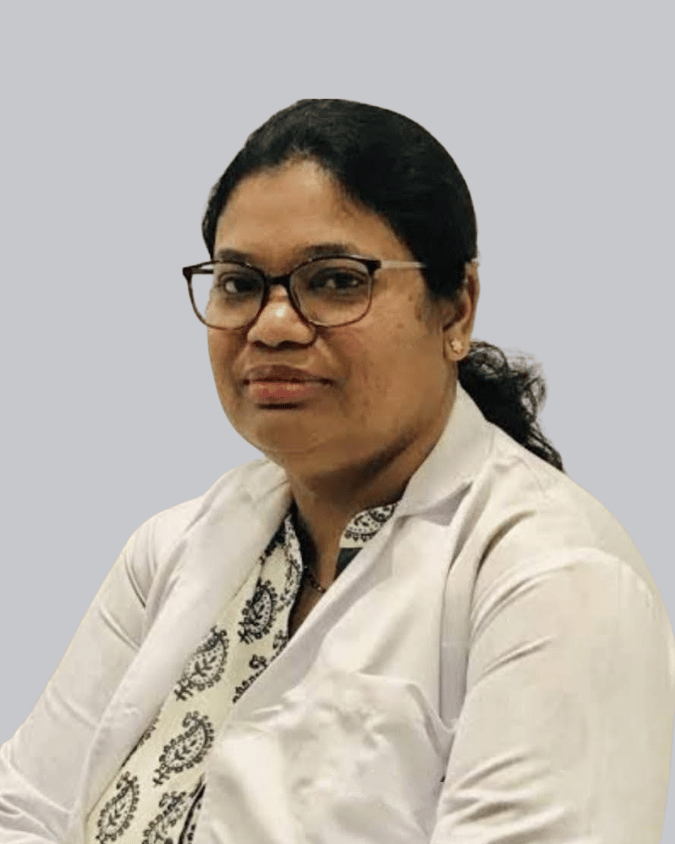
Written by Dr. Moksha Gowda, MBBS, DNB (General Surgery), Consultant General and Laparoscopic Surgeon, NiSH Clinic, 48, 7th B Main Road, near Vinayaka Temple, 4th Block, Jayanagar, Bengaluru 560011. Monday to Saturday, 9:30 AM to 12:00 PM and 4:00 PM to 6:00 PM. 14+ years. 10,000+ patients. Phone: +91 9731174360.