
Premature babies (born before 37 weeks of gestation) and low birth weight infants (weighing less than 2.5 kg at birth) require specialized neonatal care to ensure healthy survival and optimal long-term development. Due to immature organs, these newborns are more vulnerable to breathing difficulties, infections, feeding challenges, temperature instability, and delayed growth. With advances in Neonatal Intensive Care Unit (NICU) services, survival rates have improved significantly. However, early intervention, expert monitoring, and structured follow-up remain essential. Parents seeking expert care for premature babies in Kozhikode (Calicut) should consult an experienced neonatologist skilled in managing high-risk newborns.
In clinical practice, it is common to see parents concerned about their baby’s weight, breathing, or feeding patterns. Managing premature and low birth weight babies requires precision, patience, and continuous monitoring. The initial focus is on stabilizing breathing, providing oxygen support when necessary, and maintaining body temperature through incubator care or kangaroo mother care. Nutrition is equally critical—breast milk is strongly encouraged, sometimes with fortification, to support adequate growth and development. Close observation helps identify early signs of infection or complications, enabling timely intervention and reducing long-term risks.
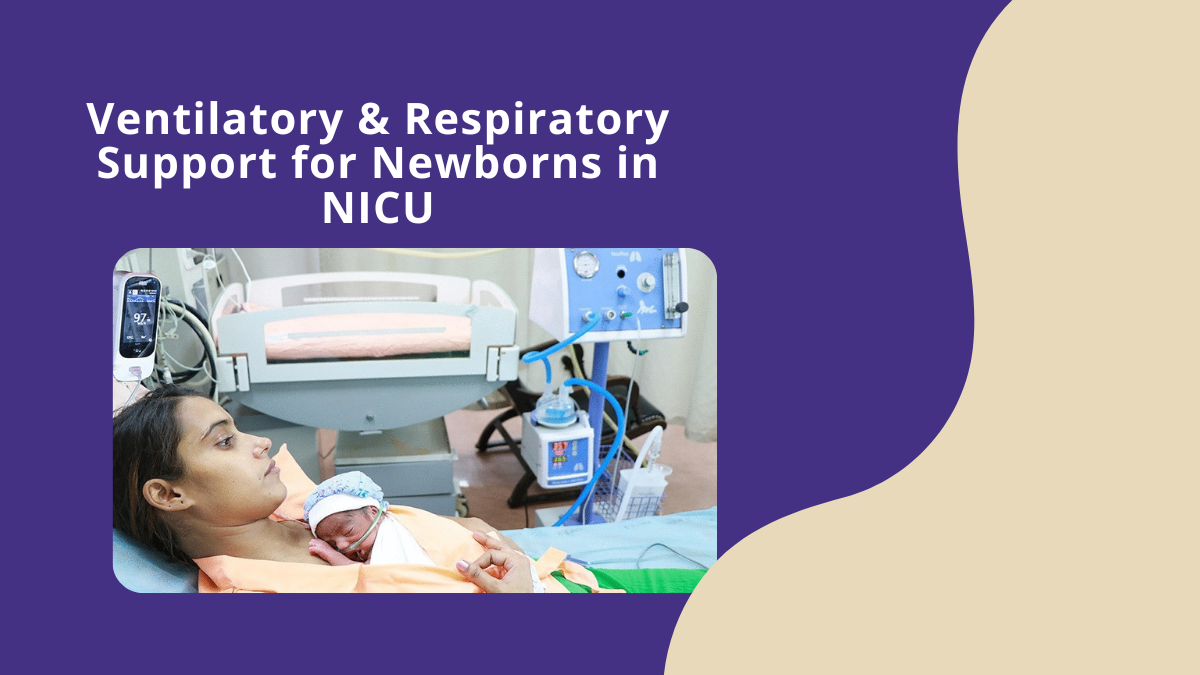
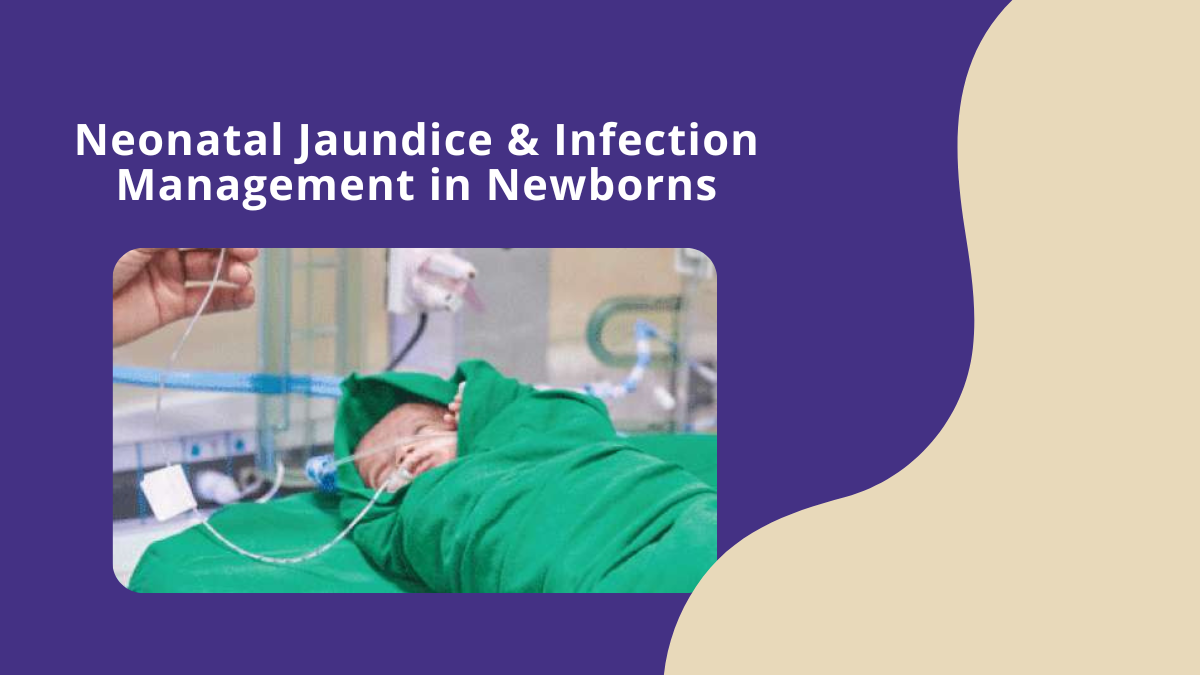
Comprehensive care in the NICU involves advanced support systems, evidence-based protocols, and a family-centered approach. Respiratory support may include CPAP (Continuous Positive Airway Pressure) or mechanical ventilation for babies with underdeveloped lungs. Continuous monitoring of oxygen saturation, blood sugar levels, and vital parameters ensures stability. Strict infection prevention practices, including hygiene protocols and timely antibiotic therapy when indicated, are crucial due to the newborn’s immature immune system.
Care continues well beyond hospital discharge. Structured follow-up programs are essential to monitor weight gain, feeding tolerance, vision, hearing, and neurodevelopmental milestones. Early identification of developmental delays allows timely interventions such as physiotherapy, nutritional support, or specialist referral. Vaccination schedules may be adjusted according to the baby’s corrected age to provide optimal protection. Equally important is parental education—guiding families on feeding cues, hygiene, warning signs, and safe home care practices.
Modern neonatal care has made it possible for even extremely premature babies to survive and thrive. With expert care, advanced NICU facilities, and consistent follow-up in Calicut, most low birth weight babies can achieve healthy growth and developmental milestones.
Conclusion:
The care of premature and low birth weight babies requires specialized expertise, continuous monitoring, and compassionate parental support. Early stabilization, optimal nutrition, infection prevention, and structured developmental follow-up are key to long-term success. Consulting a qualified neonatologist ensures that these vulnerable newborns receive the highest standard of care and the best possible start in life.
Add a Comment