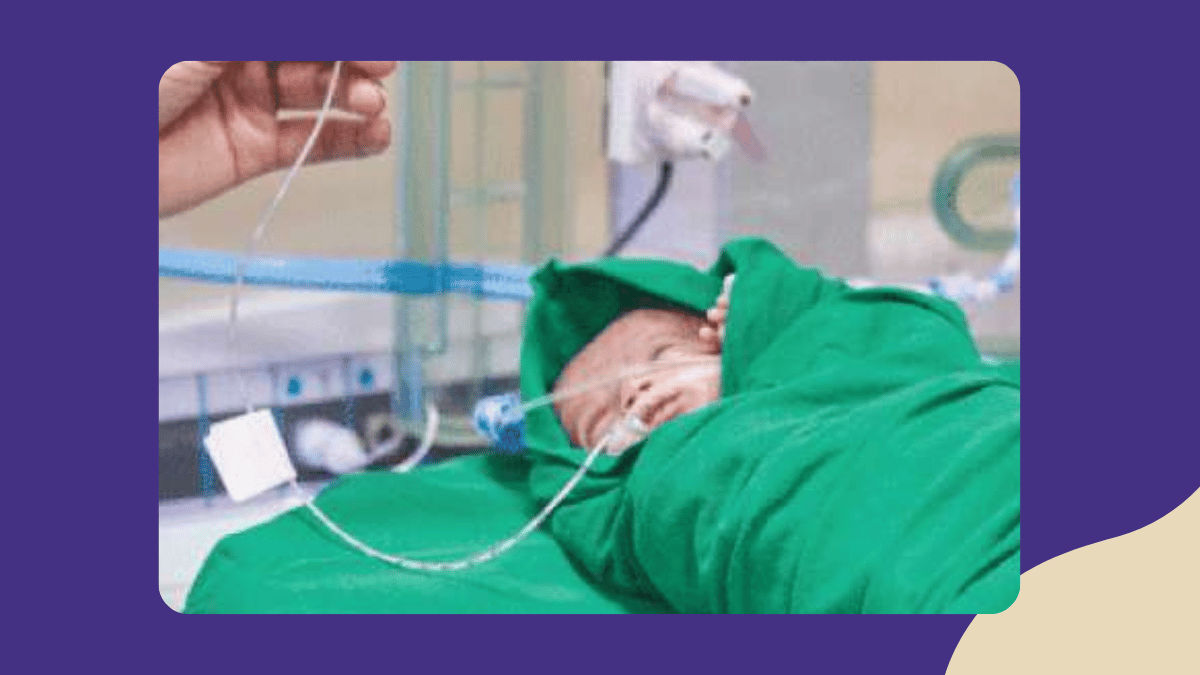
Neonatal jaundice and infections are among the most common yet potentially serious conditions affecting newborns. Jaundice refers to elevated bilirubin levels in the blood and is typically identified by a yellowish discoloration of the skin and eyes. While mild neonatal jaundice is often physiological and resolves on its own, severe or untreated hyperbilirubinemia can lead to serious complications. Similarly, neonatal infections including sepsis, pneumonia, and umbilical infections require prompt diagnosis and immediate medical care. Early detection and evidence-based treatment are essential to ensure newborn safety and healthy long-term outcomes. Parents seeking expert neonatal jaundice treatment in Kozhikode (Calicut) should consult an experienced neonatologist for timely and accurate care.
It is common for parents to feel anxious when they notice yellowing of their baby’s skin or symptoms such as poor feeding, lethargy, or fever. Early evaluation plays a crucial role in improving outcomes. Careful monitoring of bilirubin levels, identifying risk factors like prematurity or blood group incompatibility, and initiating phototherapy at the appropriate time can effectively prevent complications. In cases of neonatal infections, rapid clinical assessment, appropriate laboratory investigations, and early initiation of targeted antibiotic therapy are critical. Timely stabilization and close monitoring in the NICU help prevent progression to severe sepsis or organ dysfunction.
Comprehensive management involves advanced diagnostic tools and protocol-driven treatment approaches. For jaundice, care may include regular serum bilirubin monitoring, phototherapy, and in rare severe cases, exchange transfusion. Infection management typically includes blood tests, cultures, CRP monitoring, intravenous antibiotics, and respiratory support when required, along with strict infection-control measures. High-risk newborns, including premature and low birth weight infants, require even closer observation due to their underdeveloped immune systems.
Prevention also plays a key role in reducing neonatal complications. Early initiation of breastfeeding, proper hygiene practices, appropriate cord care, timely vaccinations, and regular newborn check-ups significantly reduce the risk of infections. Structured follow-up programs are important to monitor recovery, growth, and neurodevelopment, particularly in babies treated for severe jaundice or infections.
Conclusion:
Neonatal jaundice and infections, though common, should never be overlooked. With early detection, timely intervention, and specialized neonatal care, most newborns recover completely without long-term complications. Consulting a qualified neonatologist ensures safe management, parental reassurance, and the best possible start to a baby’s life.




Add a Comment