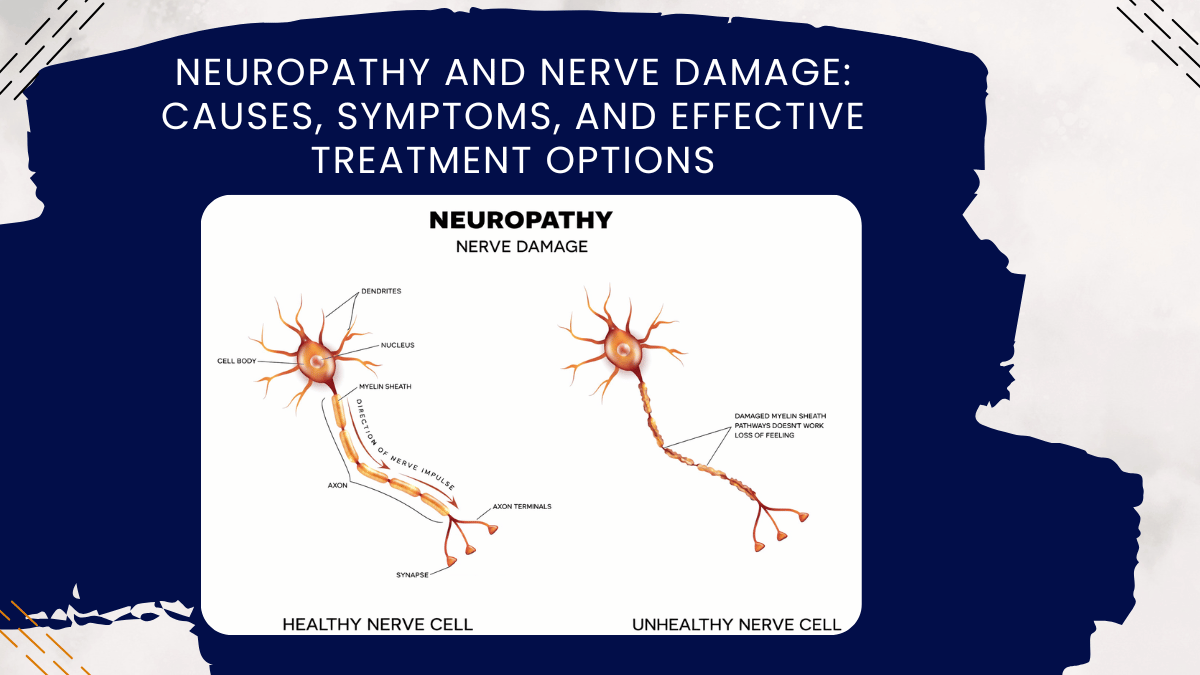
Peripheral neuropathy is one of the most common neurological disorders I encounter in clinical practice. Many patients walk into my clinic with complaints of burning feet, tingling hands, or unexplained weakness—symptoms that often point toward nerve damage. Yet, neuropathy frequently goes undiagnosed or misunderstood until it begins to interfere with day-to-day functioning.
What is Peripheral Neuropathy?
Peripheral neuropathy refers to damage to the peripheral nerves, which connect the brain and spinal cord to the rest of the body. This condition can affect sensory nerves (which detect pain or temperature), motor nerves (which control muscle movement), or autonomic nerves (which regulate functions like blood pressure or digestion).
Common Causes of Neuropathy:
One of the leading causes of peripheral neuropathy in India is diabetes mellitus. Over time, uncontrolled blood sugar levels damage nerves, especially in the feet and hands—a condition known as diabetic neuropathy. Other common causes include:
- Vitamin B12 deficiency
- Chronic alcoholism
- Thyroid disorders
- Kidney dysfunction
- Autoimmune diseases (like Guillain-Barré Syndrome)
- Certain infections (e.g: HIV, Hepatitis C)
- Chemotherapy-induced nerve damage
- Genetic conditions like Charcot-Marie-Tooth disease
👉 In some cases, despite thorough testing, the exact cause remains unknown—what we call idiopathic neuropathy.
Recognizing the Symptoms:
Symptoms vary depending on the type and extent of nerve involvement. Most patients describe a “glove and stocking” pattern of numbness, burning, or tingling. Others experience sharp, stabbing pains, muscle cramps, or weakness in the limbs. In more severe cases, balance issues or foot ulcers may develop due to loss of sensation. Autonomic nerve damage can lead to symptoms like dizziness, digestive problems, or bladder dysfunction.
Early diagnosis is essential. I often use nerve conduction studies and electromyography (EMG) to assess the type and severity of nerve damage. In selected cases, blood tests or nerve biopsies are also recommended.
Treatment Options: A Multi-Pronged Approach:
Effective management of neuropathy depends on the underlying cause. For instance, diabetic patients must focus on tight glycemic control, while those with vitamin deficiencies benefit greatly from supplementation. However, symptom relief is equally important.
I typically offer a combination of the following approaches:
- Medications for nerve pain, including pregabalin, gabapentin, and duloxetine
- Topical agents, such as capsaicin or lidocaine patches
- Physical therapy, which helps maintain muscle strength and improve balance
- Rehabilitation exercises, especially for patients with motor neuropathy
- Lifestyle changes—like quitting alcohol, managing weight, and wearing protective footwear
👉 For patients with severe neuropathic pain, nerve blocks or transcutaneous electrical nerve stimulation (TENS) may provide relief.
A Message to Patients:
Neuropathy can be a frustrating and painful condition, but it is not without hope. Over the years, I’ve seen patients regain independence and confidence with early intervention and consistent care. The key lies in personalized treatment, patient education, and long-term follow-up.
👉 If you experience persistent numbness, tingling, or weakness, don’t ignore it. Consult a neurologist early—because nerves, like time, are best preserved.


Add a Comment