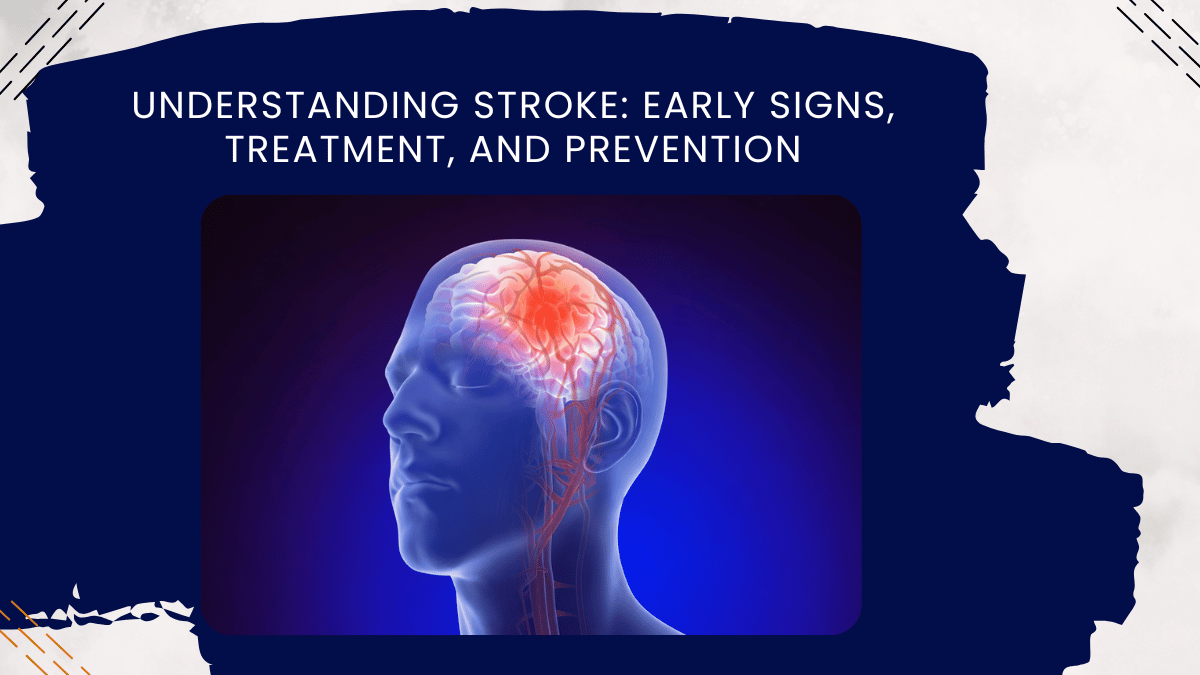
Stroke is a medical emergency that I see far too often in practice—and unfortunately, many cases reach us too late. Timely recognition and intervention can make the difference between full recovery and lifelong disability. As a neurologist with over two decades of experience, I cannot stress enough the importance of stroke awareness, early detection, and structured prevention.
What Is a Stroke?
A stroke occurs when the blood supply to part of the brain is disrupted—either due to a blockage (ischemic stroke) or a burst blood vessel (hemorrhagic stroke). Without oxygen and nutrients, brain cells begin to die within minutes, leading to damage that can be permanent if not treated promptly.
Early Signs: Know the FAST Rule:
Recognizing stroke symptoms early is critical. The most commonly used and effective tool is the FAST acronym:
- F – Face drooping: One side of the face becomes numb or droops.
- A – Arm weakness: Inability to lift or hold up one arm.
- S – Speech difficulty: Slurred or strange speech.
- T – Time to act: Call emergency services immediately.
👉 In my experience, many people ignore these early signs, hoping symptoms will pass. Unfortunately, every minute counts—brain cells are dying every second during a stroke.
👉 Other symptoms may include sudden vision changes, imbalance, severe headache, or confusion. In elderly patients or diabetics, signs may be subtle—making vigilance even more important.
Treatment: Time Is Brain:
- At our stroke unit, we follow internationally accepted acute stroke protocols. For ischemic strokes (the most common type), intravenous thrombolysis with clot-busting medication is effective if given within the first 4.5 hours. In some cases, mechanical thrombectomy—a procedure to physically remove the clot—may be performed up to 24 hours after symptom onset.
- For hemorrhagic strokes, blood pressure control, neurosurgical evaluation, and ICU monitoring are essential. Recovery often depends on how quickly treatment begins and which part of the brain is affected.
- Post-stroke, we focus on neurorehabilitation—physiotherapy, speech therapy, and occupational therapy—to help patients regain function. With structured care, many patients can return to near-normal life.
Prevention: The Best Treatment:
Most strokes are preventable. I always tell my patients that lifestyle choices today shape neurological health tomorrow. Here are my key recommendations:
- Control high blood pressure – the leading cause of stroke.
- Manage diabetes and cholesterol effectively.
- Quit smoking and limit alcohol intake.
- Maintain an active lifestyle with regular exercise.
- Eat a heart-healthy diet—low in salt, sugar, and processed fats.
- Take medications regularly, especially if you’re on blood thinners or anti-hypertensives.
👉 Patients with atrial fibrillation or previous strokes need close follow-up and personalized preventive strategies.
Final Thoughts:
As a neurologist, I have witnessed the devastating effects of stroke—but I’ve also seen inspiring recoveries made possible by early recognition, rapid treatment, and strong family support. Stroke need not be a life sentence. Know the signs, act fast, and take preventive steps today.
👉 If you or your loved ones notice warning signs, don’t delay—seek immediate medical attention. When it comes to stroke, every second truly matters.
Add a Comment