Management includes continuous neurological monitoring, ventilation support if needed, seizure control, intracranial pressure management, and multidisciplinary care to prevent complications and support recovery in critically ill children.
Consultant Pediatrician & Pediatric Intensive Care Specialist
MBBS | MD Pediatrics | IDPCCM | Pediatric Bronchoscopy | DPAA
8+ years experience
15000 + patients
Dr. Preeti Gaddad is a highly skilled Pediatrician and Pediatric Critical Care Specialist known for her exceptional clinical acumen, empathetic approach, and advanced training in child health. She holds an MBBS from Bangalore Medical College, an MD in Pediatrics from Lady Hardinge Medical College, and an IDPCCM PICU Fellowship from Sir Ganga Ram Hospital. A major highlight of her career is her 2 years of intensive experience at AIIMS New Delhi, working in both the Pediatric ICU (PICU) and the Pediatric Pulmonology Unit, where she managed critically ill children, complex respiratory disorders, ventilation strategies, and emergencies. Her additional expertise in pediatric bronchoscopy and pediatric allergy & asthma strengthens her ability to diagnose and treat challenging respiratory conditions. With eight years of experience across leading institutions like Medanta, Max Saket, and Apollo Hospitals, she is well-versed in neurocritical care, ECMO, and bedside ultrasound. A dedicated academic contributor with multiple national presentations, Dr. Preeti Gaddad currently practices at Sparsh Hospital, Hennur, delivering evidence-based, compassionate, and holistic care to children.
Dr. Preeti Gaddad specializes in Pediatric Critical Care, and Pediatric Pulmonology, offering advanced, evidence-based care for infants, children, and adolescents. Her expertise spans the management of childhood asthma, allergies, recurrent respiratory infections, and complex pulmonary disorders, supported by specialized training in pediatric bronchoscopy and the Diploma in Pediatric Allergy and Asthma (DPAA). As a Pediatric Critical Care Specialist, she is highly skilled in treating life-threatening conditions such as septic shock, severe pneumonia, neurocritical emergencies, and acute respiratory distress. She is proficient in invasive and non-invasive ventilation, hemodynamic monitoring, PICU protocols, ECMO support, and critical care ultrasound—ensuring timely and precise interventions in critically ill children. Her experience across premier institutions like AIIMS, Medanta, and Apollo strengthens her ability to deliver comprehensive and compassionate care. Dr. Preeti Gaddad’s multi-disciplinary strengths make her one of the leading pediatric specialists for holistic, technologically advanced, and family-centered child healthcare.
DivyaSree Avance, Hennur Bagalur Main Rd, Chikkanna Layout, HBR Layout, Geddalahalli, Bengaluru, Karnataka 560043
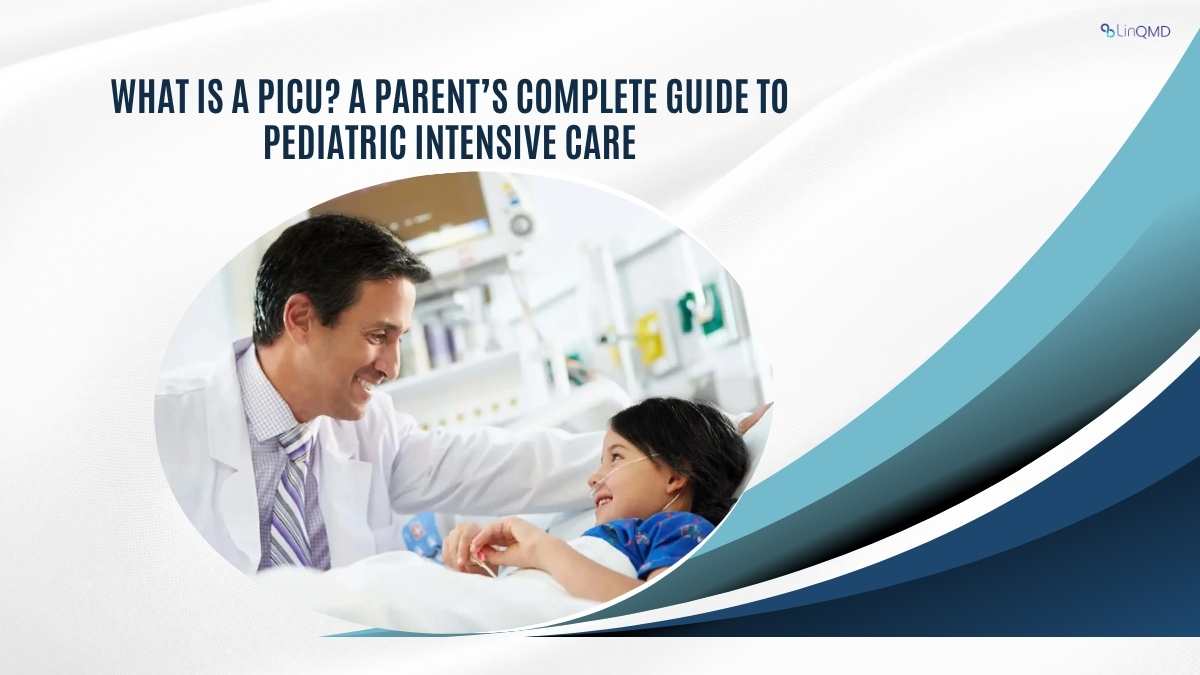
What Is a PICU? A Parent’s Complete Guide to Pediatric Intensive Care
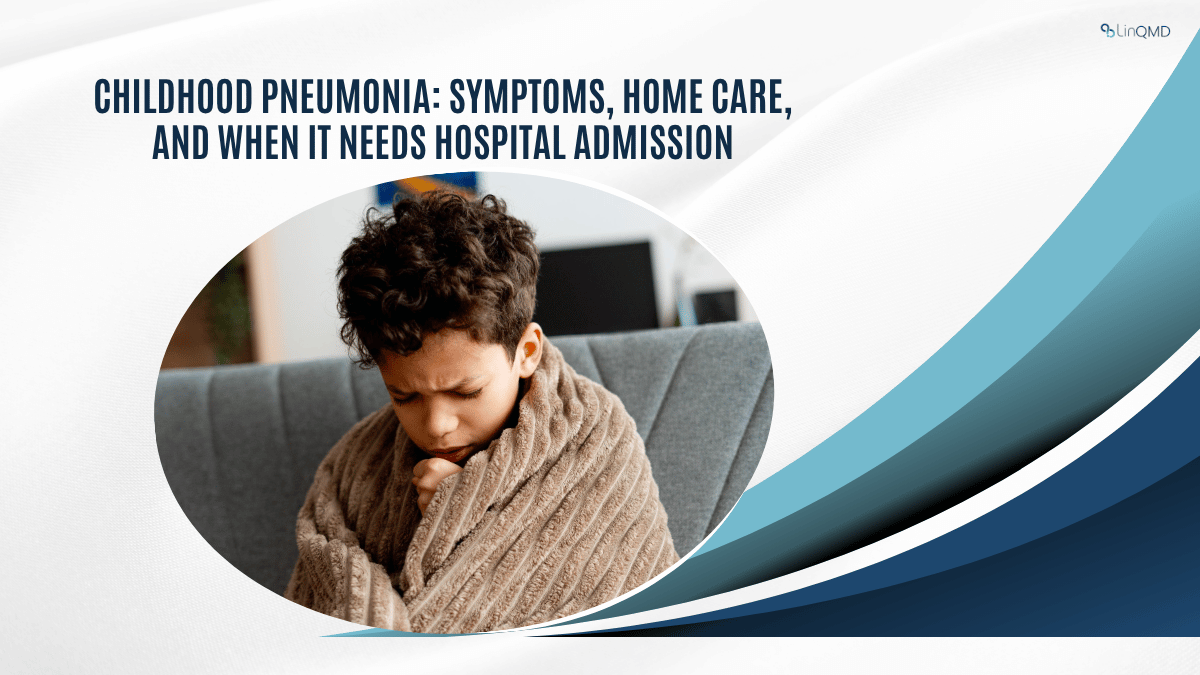
Childhood Pneumonia: Symptoms, Home Care, and When It Needs Hospital Admission
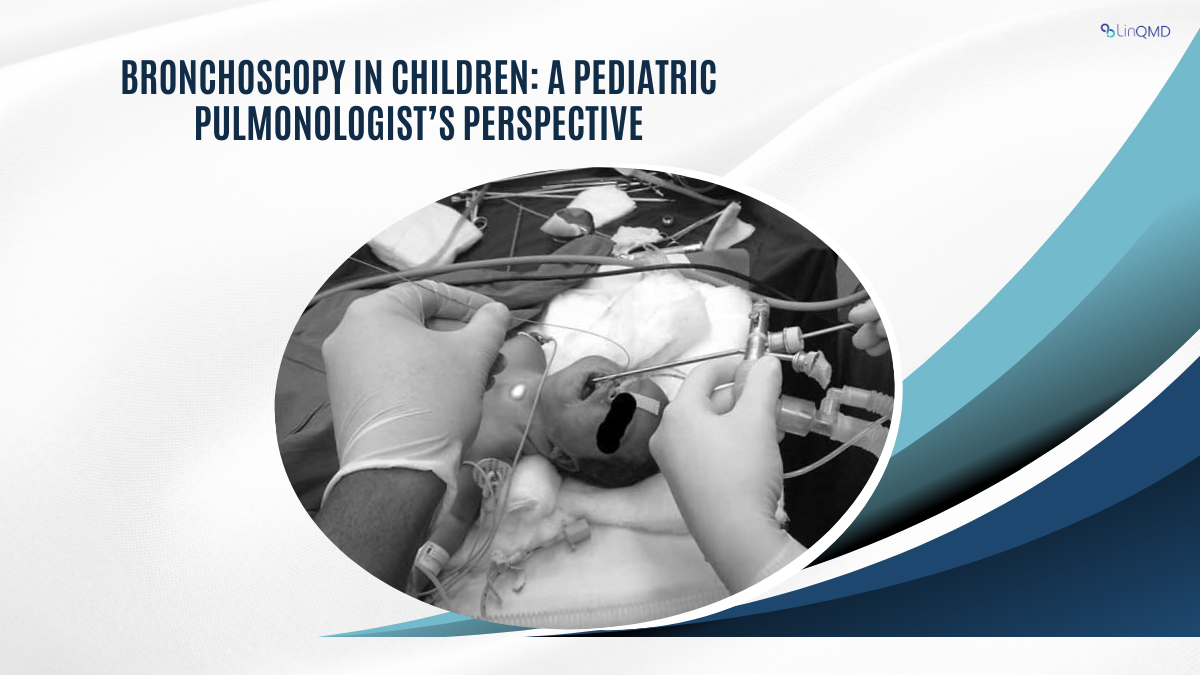
Bronchoscopy in Children: A Pediatric Pulmonologist’s Perspective By Dr. Preeti Gaddad
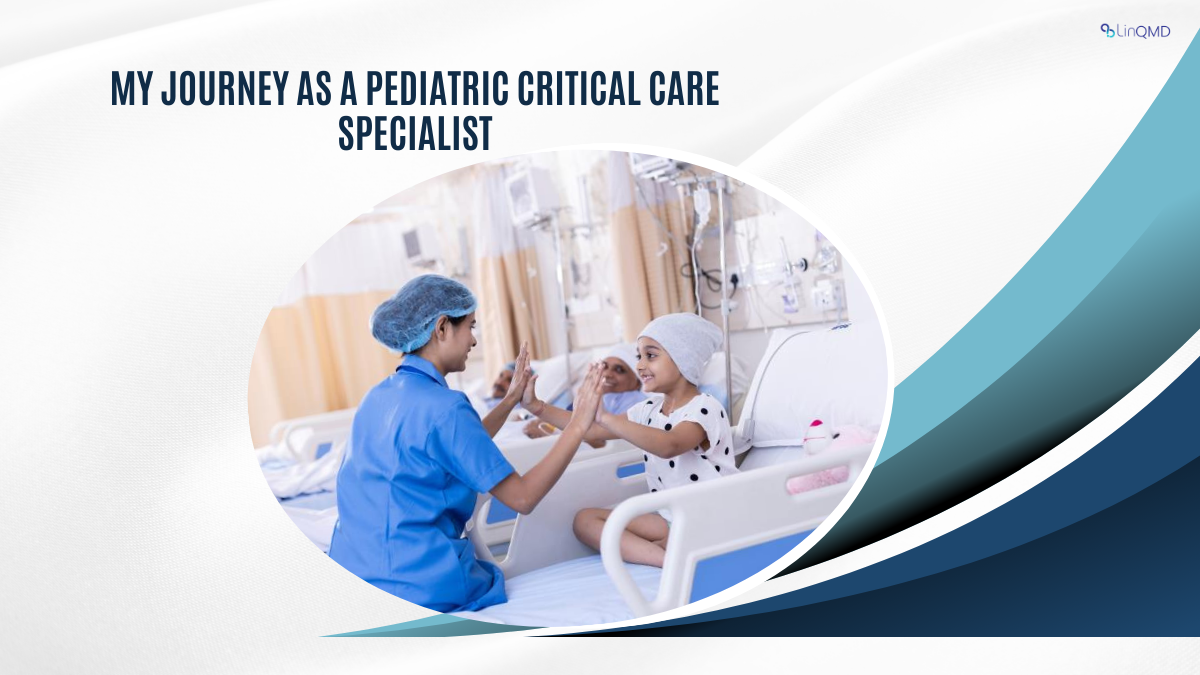
My Journey as a Pediatric Critical Care Specialist By Dr. Preeti Gaddad
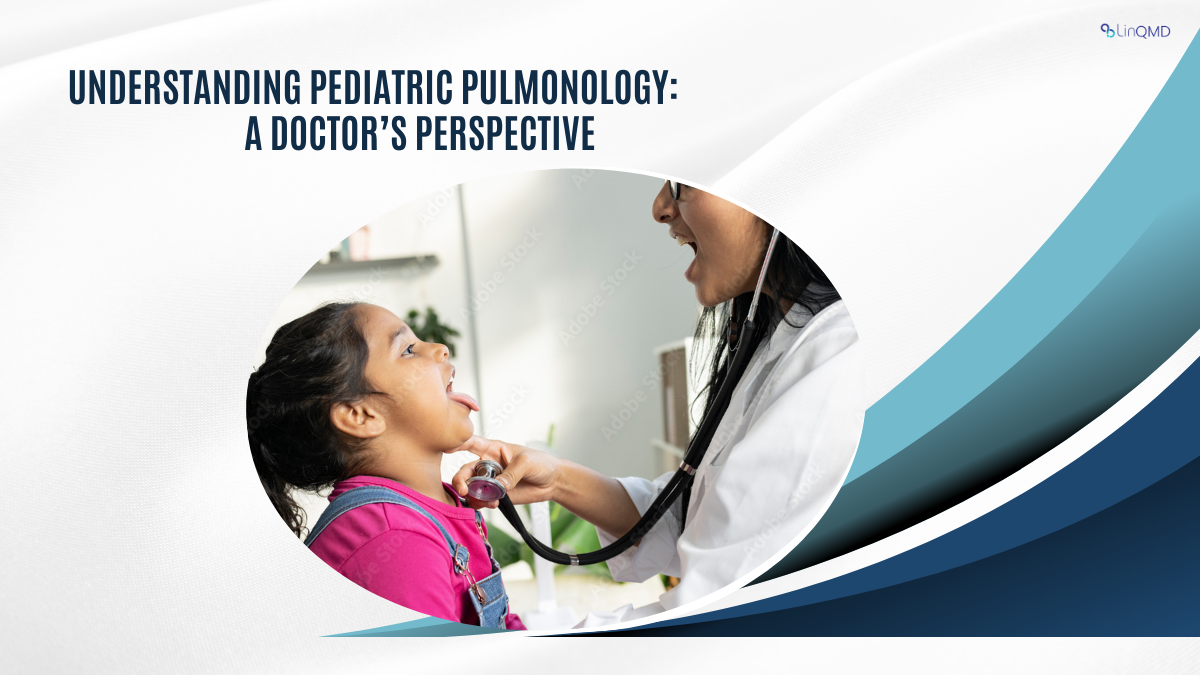
Understanding Pediatric Pulmonology: A Doctor’s Perspective By Dr. Preeti Gaddad
Management includes continuous neurological monitoring, ventilation support if needed, seizure control, intracranial pressure management, and multidisciplinary care to prevent complications and support recovery in critically ill children.
Children with severe brain injuries, seizures, encephalitis, meningitis, stroke, or complications after neurosurgery may require pediatric neurocritical care for close monitoring and specialized interventions.
Treatment involves targeted antibiotics or antivirals, management of underlying conditions, respiratory therapies, and sometimes bronchoscopy to evaluate the airways. Preventive measures, vaccinations, and long-term monitoring help reduce future infections.
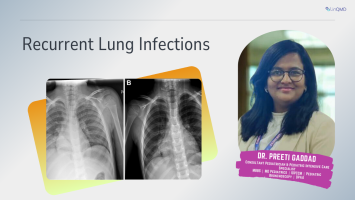
Recurrent lung infections may be due to asthma, allergies, immune deficiencies, structural airway problems, or chronic conditions like cystic fibrosis. Identifying the underlying cause is essential for effective prevention and treatment.
Treatment depends on severity and cause. Options include oxygen therapy, continuous positive airway pressure (CPAP), mechanical ventilation, surfactant administration for premature lungs, and supportive care in the neonatal intensive care unit (NICU).
Respiratory distress in newborns can result from prematurity, underdeveloped lungs, infections, congenital lung or heart conditions, or meconium aspiration. Prompt evaluation is essential to identify the cause and start appropriate treatment.