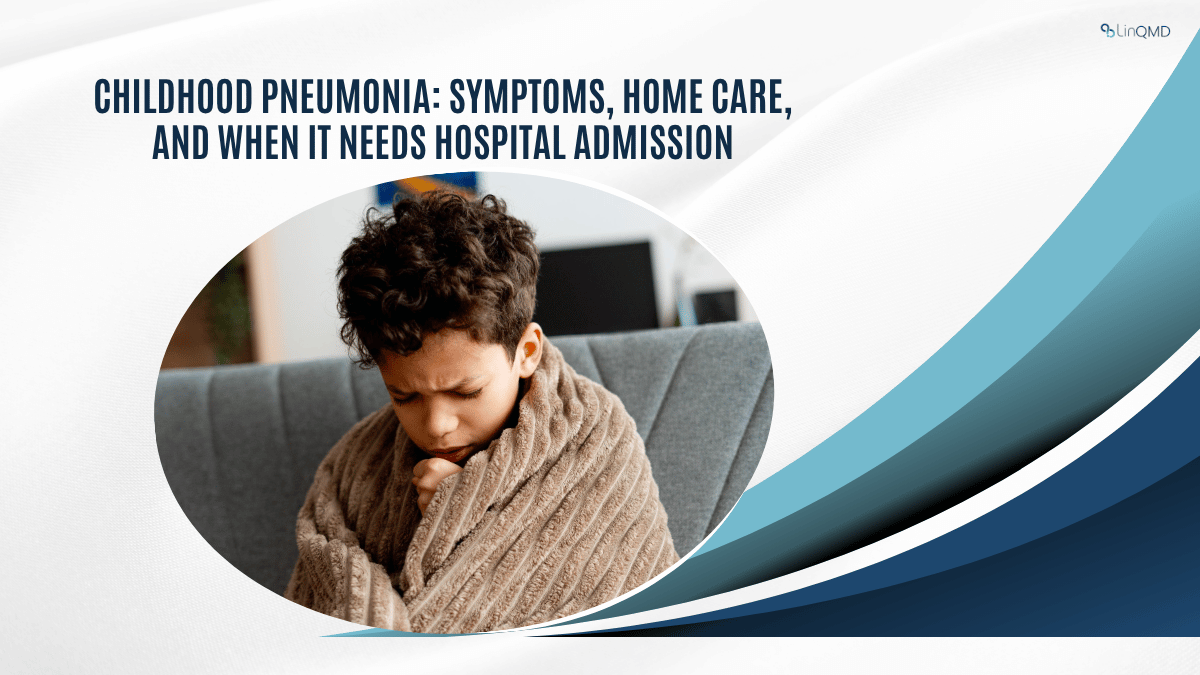
Childhood pneumonia is a serious respiratory infection that affects the lungs and is one of the leading causes of illness in children worldwide. It can range from mild to severe and, if not recognized early, may require urgent medical care. Parents often confuse pneumonia with a common cold or cough, but understanding the warning signs can make a critical difference. Early detection, proper home care, and timely hospital intervention are essential to ensure a child’s safe recovery.
In my experience managing children in both outpatient and intensive care settings, I have seen how quickly pneumonia can progress if not treated appropriately. Many parents initially try home remedies, which may help in mild cases, but delays in seeking medical attention can worsen the condition. Recognizing when a child needs more than home care is key to preventing complications and ensuring effective treatment.
What Is Childhood Pneumonia?
Pneumonia is an infection of the lungs caused by bacteria, viruses, or, less commonly, fungi. It leads to inflammation of the air sacs, which may fill with fluid or pus, making breathing difficult.
👉 Children under 5 years are particularly vulnerable due to their developing immune systems.
Common Symptoms of Childhood Pneumonia:
Recognizing symptoms early can help prevent complications. Look for:
- Persistent cough
- Fever (sometimes high)
- Fast or difficult breathing
- Chest indrawing (pulling in of chest muscles while breathing)
- Wheezing or grunting sounds
- Fatigue or reduced activity
- Poor feeding or vomiting in infants
👉 These symptoms may initially resemble a common cold but tend to worsen over time.
Home Care for Mild Pneumonia:
Mild cases of pneumonia can sometimes be managed at home under medical guidance. Key steps include:
- Ensuring adequate hydration
- Giving prescribed medications regularly
- Allowing proper rest
- Monitoring temperature and breathing
- Keeping the child comfortable and well-nourished
👉 Avoid self-medication or overuse of antibiotics without a doctor’s advice.
When Does Pneumonia Need Hospital Admission?
Hospital care is required when symptoms become severe or the child is at higher risk. Seek immediate medical attention if your child has:
- Rapid or labored breathing
- Bluish lips or nails (low oxygen levels)
- Inability to feed or drink
- Persistent vomiting
- Lethargy or unresponsiveness
- Oxygen saturation below normal levels
- Infants younger than 6 months with symptoms
👉 These are warning signs that pneumonia is affecting the child’s oxygen levels and overall stability.
Treatment in Hospital:
In a hospital setting, children may receive:
- Oxygen therapy
- Intravenous (IV) antibiotics or antivirals
- Fluids to maintain hydration
- Continuous monitoring in severe cases
👉 With timely treatment, most children recover well.
Prevention Tips:
Preventing pneumonia is just as important as treating it:
- Ensure routine vaccinations (like pneumococcal and influenza vaccines)
- Maintain good hygiene and handwashing
- Avoid exposure to smoke and pollution
- Provide proper nutrition to strengthen immunity
Conclusion:
Childhood pneumonia can be serious, but with early recognition and appropriate care, it is highly treatable. Understanding the difference between mild symptoms and warning signs that require hospital admission is crucial for every parent. Prompt medical attention, combined with proper home care and preventive measures, can protect children from complications and support a faster recovery.

Add a Comment