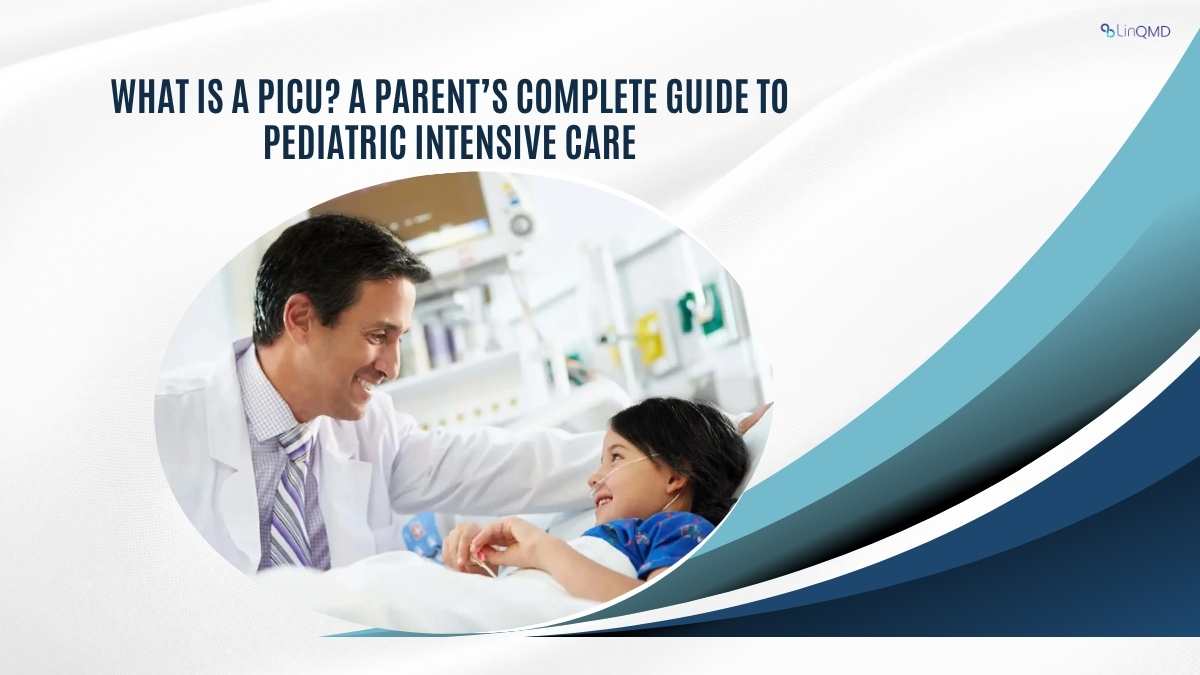
Hearing that your child needs admission to a PICU (Pediatric Intensive Care Unit) can be overwhelming and frightening for any parent. The PICU is a specialized hospital unit designed to care for critically ill infants, children, and adolescents who require close monitoring and advanced medical support. Understanding what a PICU is, why it is needed, and what to expect can help reduce anxiety and empower parents during a difficult time.
In my experience working in pediatric intensive care, I have seen how important it is for parents to feel informed and reassured. The PICU is not just about machines and monitoring it is a place where a dedicated team works round the clock to provide life-saving care. We focus not only on treating the child’s condition but also on supporting families through every step of the journey.
What Is a PICU?
A Pediatric Intensive Care Unit (PICU) is a highly specialized area in a hospital equipped to manage serious and life-threatening conditions in children. It provides:
- Continuous monitoring of vital signs
- Advanced life support systems
- Specialized pediatric doctors and nurses
- Immediate access to emergency interventions
👉 The goal of the PICU is to stabilize critically ill children and support their recovery.
Why Do Children Need PICU Care?
Children may require PICU admission for various reasons, including:
- Severe infections (like pneumonia or sepsis)
- Breathing difficulties or respiratory failure
- Major injuries or trauma
- Post-surgical care after complex operations
- Neurological conditions (such as seizures or brain injury)
- Heart-related problems
👉 These conditions need close observation and rapid medical response, which cannot be provided in a regular ward.
What Happens Inside a PICU?
The PICU environment may seem intimidating due to the presence of machines and alarms, but each plays a vital role in monitoring and care.
Common features include:
- Heart rate and oxygen monitors
- Ventilators to assist breathing
- IV lines for medications and fluids
- Specialized beds and equipment
👉 A team of pediatric intensivists, nurses, respiratory therapists, and other specialists work together to ensure the best care.
What Is the Role of Parents?
Parents are an essential part of a child’s recovery. While the PICU has strict protocols, most units encourage parental involvement.
You can:
- Stay with your child as permitted
- Participate in care discussions
- Provide emotional comfort to your child
- Ask questions and stay informed
- Clear communication with the medical team helps build trust and confidence.
How Long Will a Child Stay in PICU?
The length of stay varies depending on the child’s condition. Some children may need only a few days of monitoring, while others may require longer intensive care.
The focus is always on:
- Stabilizing the child
- Treating the underlying condition
- Transitioning safely to a regular ward
Emotional Support for Families:
Having a child in the PICU can be emotionally challenging. Parents may feel fear, stress, and uncertainty. Hospitals often provide counseling support and guidance to help families cope during this time.
👉 Remember, you are not alone the care team is there to support both your child and your family.
Conclusion:
A PICU is a place of advanced care, expertise, and hope. While it can feel overwhelming, understanding its purpose and processes can help parents navigate this journey with greater confidence. With skilled medical teams, advanced technology, and compassionate care, the PICU plays a crucial role in saving lives and helping children recover from serious illnesses.


Add a Comment