
As a Radiation Oncologist at Sparsh Hospital, Hennur, Bengaluru, I have had a particular vantage point on cancer for sixteen years. I see patients at every stage of their disease - from those whose cancers were found early enough that treatment was straightforward, to those who arrived with advanced disease after months or years of symptoms that were explained away or simply ignored. The most consistent observation across my entire career is that the stage at which cancer is diagnosed determines more than almost any other factor what treatment can achieve. Early detection does not just improve survival statistics. It changes the treatment itself, making it more targeted, less intensive, and more likely to leave the patient with a good quality of life.
Warning signs that should never be explained away
Cancer does not always announce itself loudly. Many early cancers produce no symptoms at all, which is the very reason screening exists.some cancers have symptoms and some cancers don’t have symptom.check your mouth in mirror any sharp teeth irritating the tongue please visit dentist.sharp teeth can cause ulcer in tongue and any long standing ulcer will change to cancer.Any change in voice for a month any swallowing difficulty please check with ENT doctor.Lung cancer present at late stage since it wont have symptoms in early satge.smokers at 50yrs better to undergo low dose CT scan of lung to detect lung cancer in early stage.
Again pancreatic cancer and ovarian cancer present at late stage so better to do ultrasound abdomen and pelvis at 50 yrs of age annually.
Screening for women: what is available and when to start
The two cancers that define the majority of my clinical work in women's oncology - breast cancer and cervical cancer - both have well-established, evidence-based screening pathways that are available in Bengaluru. For breast cancer, I recommend monthly breast self-examination from the age of 20, annual clinical breast examination by a doctor, and mammography from the age of 40 in women at average risk, with earlier and more frequent screening for women with a family history of breast cancer or known genetic risk factors. A mammogram detects many breast cancers before they are large enough to feel, at the stage when breast-conserving surgery and localised radiation are the most likely treatment pathway. I have published research on Accelerated Partial Breast Irradiation for early breast cancer, and the patients who benefit most from that approach are precisely the ones whose cancers were found by screening rather than by symptom.
For cervical cancer, the pathway is even clearer. A Pap smear or HPV co-test every three to five years, combined with HPV vaccination before sexual exposure, has the potential to eliminate cervical cancer as a public health problem in women who are screened and vaccinated. In my outreach work across urban and rural Karnataka, the most consistent gap I encounter is not awareness that these tests exist, but follow-through. Women know about cervical screening. The barrier is actually attending for it.
What early detection changes from the perspective of a Radiation oncologist
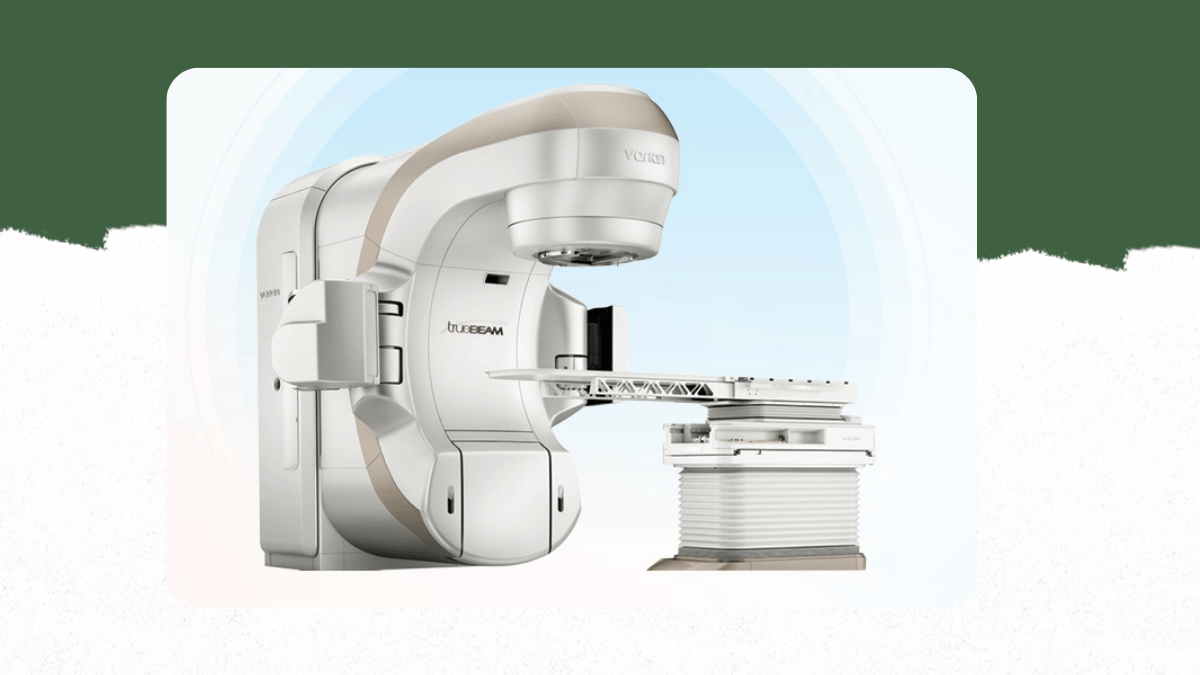
When I was involved in the research for 'Evolution of Cancer Care in Karnataka', published in the Indian Journal of Surgical Oncology in 2022, one of the clearest findings was that outcomes in our region, as elsewhere, correlate strongly with stage at diagnosis. The technology for cancer treatment in Bengaluru today is genuinely outstanding. We have Stereotactic radiosurgery , SBRT, IMRT, IGRT, and brachytherapy available at Sparsh Hospital. But the most sophisticated radiation delivery system in the world cannot undo the disadvantage of a late diagnosis. What I can do for a woman with early-stage cervical cancer is fundamentally different from what I can do when the same cancer has spread beyond the pelvis. .My request to every woman reading this is direct: know your own body, act on changes, and do not skip the screenings that exist to find cancers before you feel them. The tests are available, they are not painful, and the knowledge they provide is the most powerful protection you have. In my experience, the patients who do best are not necessarily those with the least aggressive cancers. They are the ones who showed up early.
To book a consultation with Dr. P Sasikala at Sparsh Hospital, Hennur Road, HBR Layout, Bengaluru 560043 (Monday to Saturday, 9 AM to 5 PM), call +91 80958 09322.
Written by Dr. P Sasikala, MBBS (Dr. M.G.R. Medical University, Chennai, 2002), DMRT (Cancer Institute WIA, Adyar, Chennai, 2008), DNB Radiation Oncology (National Board of Examinations, New Delhi, 2012), Best Paper Award - Indian Brachytherapy Society (2016), Consultant Radiation Oncologist, Sparsh Hospital, Hennur Road, Bengaluru.


Add a Comment