Description: Learn about Severe OCD, its symptoms, causes, risk factors, diagnosis, and treatment options from a psychiatrist’s clinical experience. Discover effective ways to manage and live with OCD.
What is Severe OCD?
Obsessive-Compulsive Disorder (OCD) is a mental health condition marked by persistent, unwanted thoughts (obsessions) and repetitive behaviors (compulsions) performed to reduce anxiety. Severe OCD can dominate daily life, affecting work, relationships, and personal well-being. As a psychiatrist, I have seen patients whose routines are entirely controlled by compulsions, making early recognition critical.
Symptoms of Severe OCD:
Patients often experience:
- Persistent intrusive thoughts or fears (contamination, harm, or perfectionism)
- Repetitive rituals like handwashing, checking, or counting
- Avoidance of certain situations
- Difficulty concentrating and disrupted daily functioning
For example, one of my patients, Rina, spent hours sanitizing surfaces and washing her hands, making normal activities nearly impossible.
Causes of OCD:
Severe OCD arises from a combination of genetic, neurobiological, and environmental factors. Imbalances in brain neurotransmitters, especially serotonin, play a significant role. Stressful life events or trauma can trigger or worsen symptoms.
Diagnosis of OCD:
Diagnosis requires a thorough clinical evaluation, psychiatric assessment, and understanding of the severity and impact of symptoms. Standard tools like the Yale-Brown Obsessive Compulsive Scale (Y-BOCS) help measure the intensity of obsessions and compulsions. Differentiating OCD from anxiety disorders or depression is essential for accurate treatment.
Risk Factors:
Key risk factors include:
- Family history of OCD or mental health disorders
- Early childhood trauma
- High levels of anxiety or perfectionism
- Exposure to stressful life events
- Treatment and Management of Severe OCD
Severe OCD is manageable with a multidisciplinary approach:
- Medication: SSRIs and sometimes antipsychotics reduce obsessive thoughts and compulsive behaviors.
- Cognitive Behavioral Therapy (CBT): Exposure and Response Prevention (ERP) helps patients face anxiety triggers without performing compulsions.
- Supportive Therapy: Family counseling and psychoeducation enable caregivers to assist effectively.
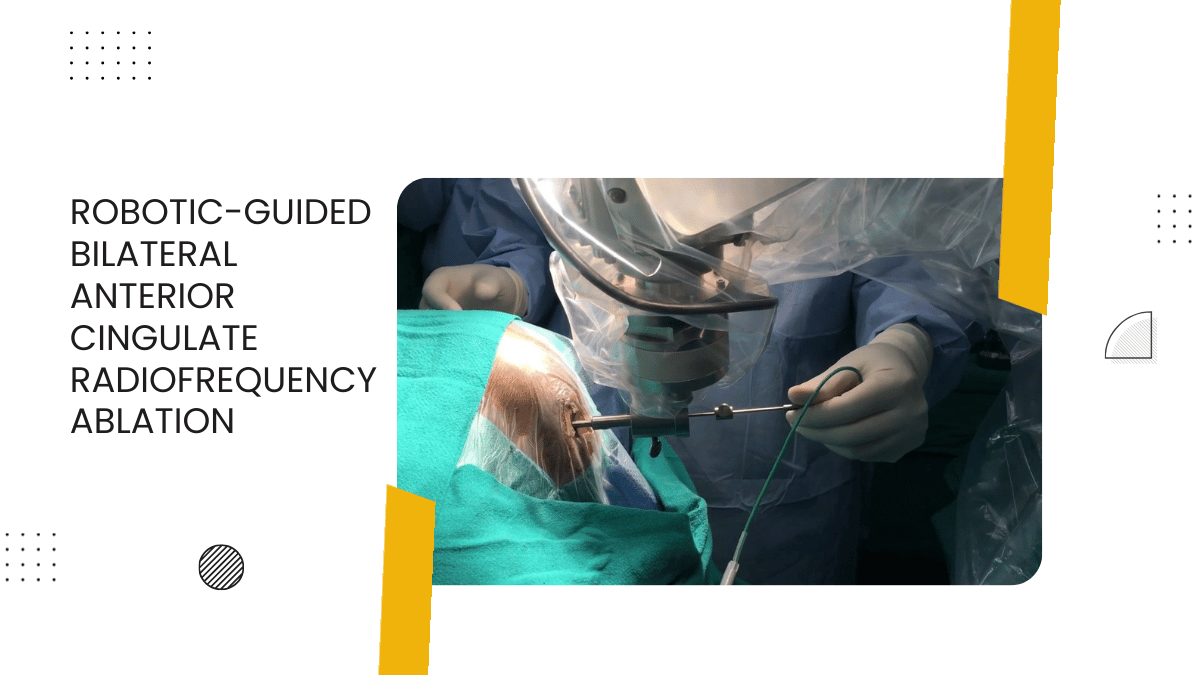
- Advanced Interventions: For treatment-resistant cases, options like Deep Brain Stimulation (DBS) can be life-changing.
Living with OCD:
Living with severe OCD requires patience and structured support. Consistent therapy, medication adherence, and lifestyle adjustments significantly improve quality of life. Rina, after months of combined treatment, regained control over her compulsions and daily routines.
Recovery is possible, and early intervention is key. If you or a loved one experience persistent obsessions or compulsions, consulting a qualified psychiatrist can help you regain independence and improve overall well-being.


Add a Comment