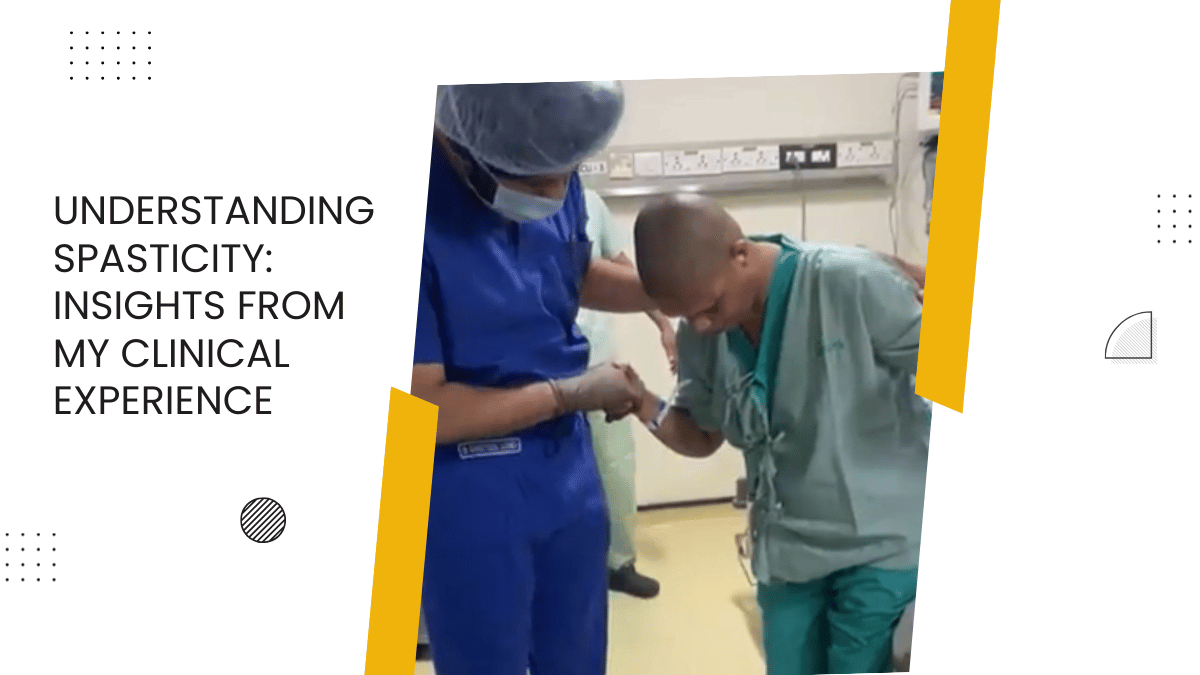
As a Neurosurgeon, one of the conditions I frequently encounter in my practice is spasticity, a common consequence of neurological injuries such as stroke, cerebral palsy, or spinal cord injury. Recently, I treated a 52-year-old patient, Anu, who developed spasticity following a stroke. Her journey highlighted the importance of early recognition, timely treatment, and consistent home care, which I want to share with you.
What is spasticity?
Spasticity is a condition where muscles become stiff, tight, and resistant to movement. It occurs due to abnormal nerve signaling from the brain or spinal cord to the muscles, causing involuntary muscle contractions. While some patients experience mild tightness, others, like Anu, may develop severe stiffness, making daily activities challenging.
Common characteristics of spasticity:
Patients with spasticity often show muscle stiffness, exaggerated reflexes, sudden jerks, and difficulty moving affected limbs. In Anu’s case, her left arm would involuntarily curl, making it impossible for her to hold a cup or button her shirt. Spasticity can also cause pain, fatigue, and changes in posture, which may further limit independence.
Causes after stroke or injury:
Spasticity arises when the communication between the brain or spinal cord and muscles is disrupted. After a stroke, damaged brain regions fail to regulate muscle activity, leading to overactive nerve signals. Similarly, spinal cord injuries disrupt nerve pathways, while cerebral palsy, a condition present from birth, affects muscle control due to brain development abnormalities. The intensity of spasticity can vary depending on the location and severity of the injury.
Why immediate treatment matters:
Spasticity should not be ignored. Untreated spasticity can result in permanent muscle shortening, joint deformities, pressure sores, and chronic pain. In Anu’s case, early intervention prevented severe contractures in her arm and allowed her to regain functional use faster. Prompt treatment improves mobility, reduces discomfort, and enhances overall quality of life.
Treatment options:
Treatment is individualized, combining medication, therapy, and sometimes surgical intervention. Common approaches include:
- Medications: Oral muscle relaxants or botulinum toxin injections to reduce muscle overactivity.
- Physiotherapy: Stretching, strengthening exercises, and posture training to maintain flexibility.
- Occupational therapy: Adaptive techniques for daily tasks.
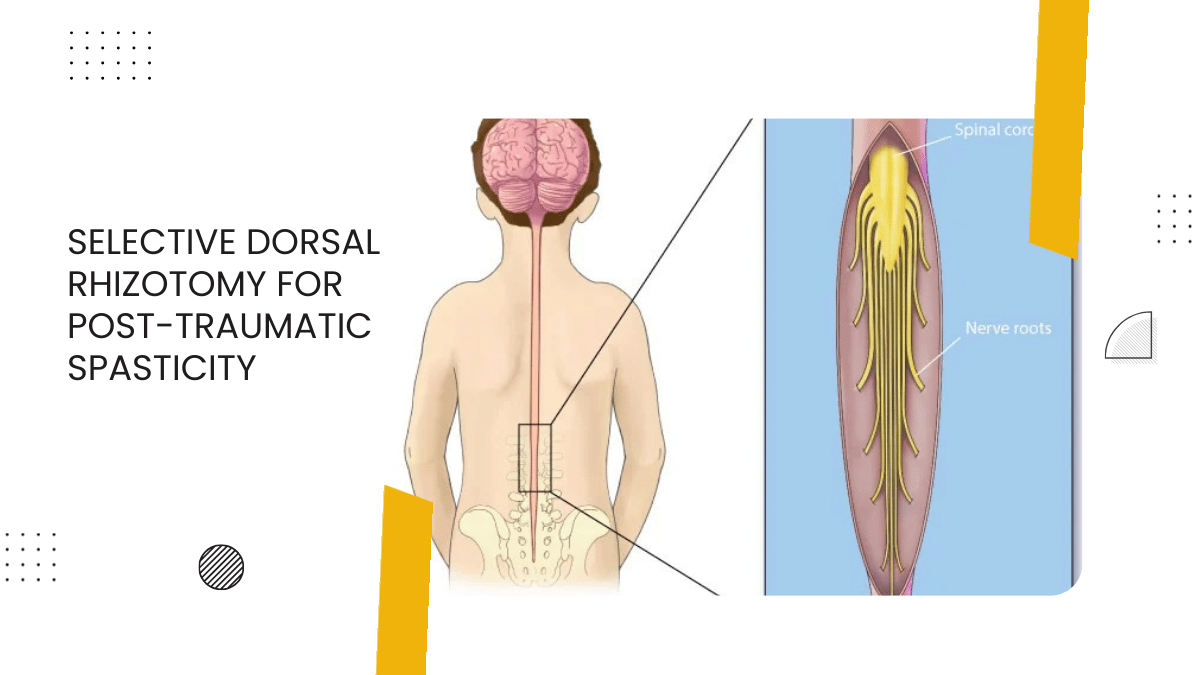
- Surgical interventions: Reserved for severe cases, such as tendon release or selective dorsal rhizotomy. For Anu, a combination of physiotherapy and botulinum toxin injections yielded excellent results.
Self-care and home management tips:
Spasticity management continues at home. Daily stretching, gentle massage, using splints, and maintaining a comfortable posture can prevent complications. Heat therapy and relaxation exercises help reduce stiffness. Caregivers should assist with safe transfers and encourage active participation in therapy.
Conclusion:
Spasticity following stroke, cerebral palsy, or spinal cord injury can be challenging, but early intervention and consistent care can make a significant difference. Anu’s experience taught me that with proper medical guidance, therapy, and home management, patients can regain independence and improve their quality of life. If you notice stiffness or involuntary muscle contractions in yourself or a loved one, consult a Neurosurgeon promptly early action is the key to better outcomes.

Add a Comment