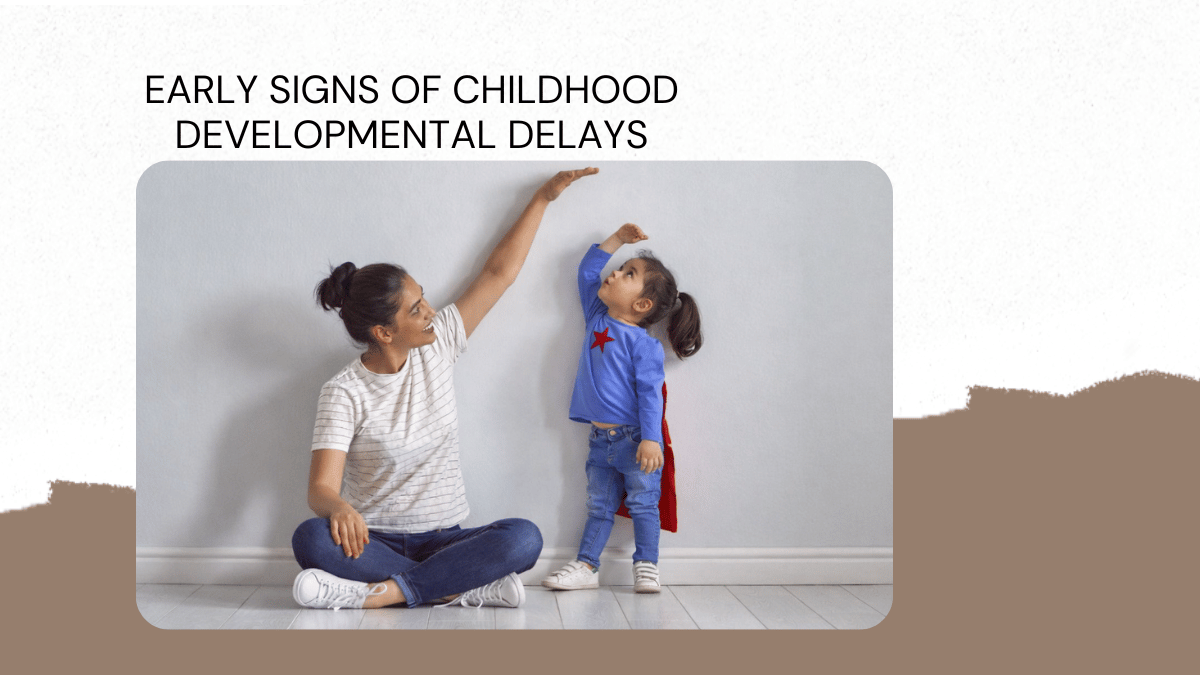
As a pediatrician with years of experience, I have witnessed firsthand how early detection and intervention can dramatically change the life trajectory of children facing developmental delays. Every parent wants to see their child reach milestones—whether it’s sitting up, talking, or playing with friends. But sometimes, these milestones are delayed, and recognizing the signs early can make all the difference.
Recognizing the Signs of Developmental Delays:
Every child develops at their own pace, but there are some warning signs that may indicate a delay in motor, speech, social, or cognitive development. It’s vital for parents to stay observant and aware of these signs.
Let me tell you about little Rohan, who was slow to sit up and crawl. By the time he was 10 months old, he still wasn’t crawling or trying to stand. His parents thought he was just a “late bloomer,” but during a routine check-up, I pointed out that these could be early signs of motor delay, prompting further assessment.
Motor Skill Delays: If a child is not rolling over by 6 months, not sitting without support by 8 months, or not walking by 12-15 months, it could be a sign of motor delay. Clumsiness, poor coordination, or inability to use both hands effectively may also be warning signs.
Speech and Language Delays: A lack of babbling by 12 months, limited eye contact, or failure to speak simple words like “mama” or “dada” by 18 months can suggest speech delay. Some children might also have difficulty understanding simple instructions.
Social Interaction Delays: Avoiding eye contact, limited response to their name, or not showing interest in playing with other children can signal social or emotional delays. These signs often appear early but are sometimes overlooked.
Cognitive Development: Difficulties in problem-solving, following simple directions, or exploring their environment can be signs of cognitive delays. Rohan, for example, didn’t respond to his name or show interest in interactive games, which raised concerns.
The Importance of Early Assessment and Routine Screenings:
Early identification of these signs allows for timely intervention. Routine developmental screenings during pediatric visits help catch delays before they become more severe. Parents should feel empowered to ask questions or raise concerns during every check-up, even if the child appears to be developing normally.
I always advise parents, “The earlier we intervene, the better the outcome.” Addressing delays early can mean the difference between lifelong challenges and a child thriving with the right support and guidance.
Interventions for Developmental Delays:
Once a delay is identified, there are numerous therapeutic options tailored to the child's specific needs:
- Speech Therapy: For children who have trouble communicating or understanding language, speech therapy can significantly improve their expressive and receptive skills.
- Occupational Therapy: Helps children with motor skills, coordination, and sensory processing issues, enabling them to perform daily activities more comfortably.
- Behavioral Strategies: Techniques such as applied behavior analysis (ABA) can be effective, especially in children with autism spectrum disorder, to promote social skills and reduce challenging behaviors.
- Educational & Family Support: Parental guidance, early intervention programs, and special education services can also support children in reaching their full potential.
When Should Parents Seek Help?
If you notice your child is significantly behind in reaching milestones, or if you observe any signs that concern you, don’t delay seeking pediatric advice. Early intervention can initiate therapies that encourage development and prevent secondary difficulties.
Every child is unique, and developmental delays are common in early childhood. But I often remind parents, “Early detection is not just important; it’s transformative.” If you have any doubts or questions about your child's development, talk to your pediatrician without hesitation. With prompt action and the right therapeutic support, we can help your little one face challenges head-on and help them flourish.




Add a Comment