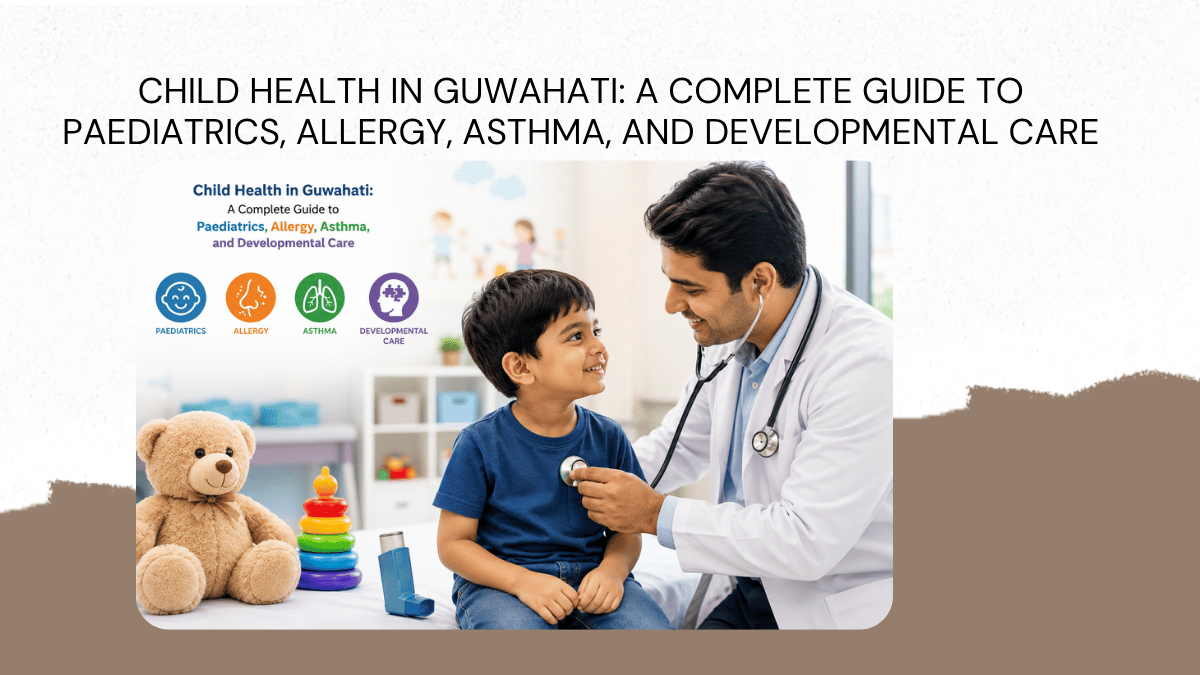
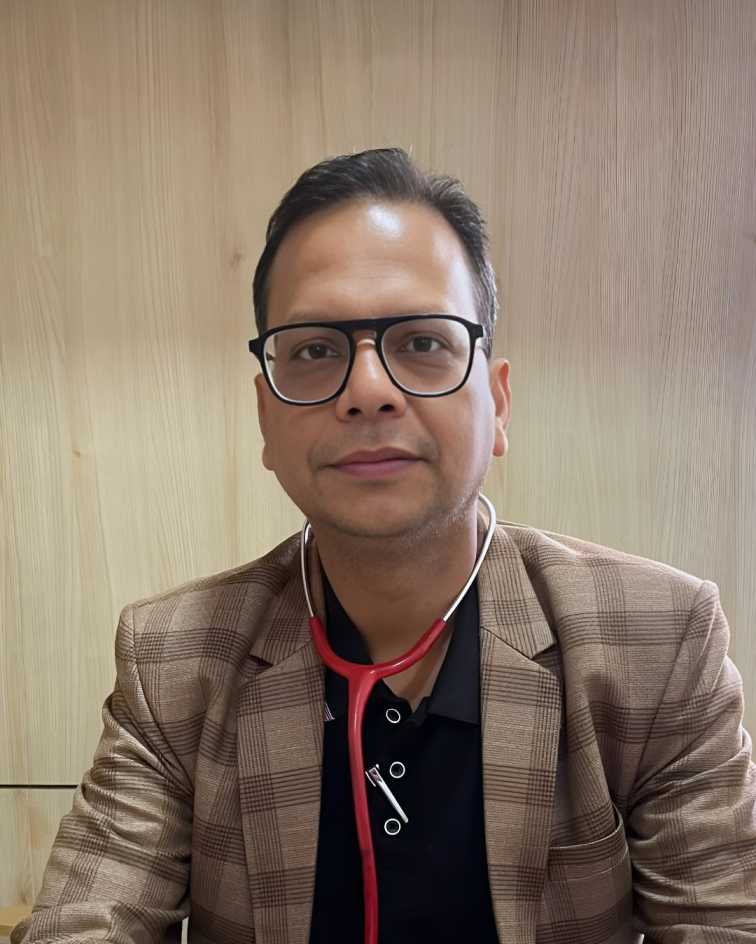
Every parent wants the best for their child's health, and navigating the landscape of children's medicine, which encompasses everything from a newborn's first hours of life to a teenager's persistent allergic rhinitis, can be genuinely complex. I am Dr. Ranjit Kr Agarwala, a Consultant Paediatrician, Neonatologist, Allergy, Asthma and Immunotherapy Specialist, and trained Developmental Paediatrician with 17 years of clinical experience across more than 20,000 patients in Guwahati. I consult at three locations across the city: the Institute of Human Reproduction in Bharalumukh, Chikitsa Clinic in Adabari, and Healpoint Diagnostics and Multispeciality Clinic in Rehabari. My clinical training spans paediatrics and neonatal medicine (MD), developmental paediatrics (PGDDN from CDC, Kerala), and allergy and asthma (AASC, MedTrain, Bengaluru), which together allow me to provide comprehensive, joined-up care across the full spectrum of child health. This guide is written for parents in Guwahati and Assam who want to understand what modern paediatric, allergy, and developmental care involves, so that they can seek the right assessment at the right time for their child.
Neonatal Care: The Most Critical Window in a Child's Life
The neonatal period, the first 28 days of life, is the window in which the foundations of a child's long-term health are established or disrupted. Neonatal medicine is a distinct subspecialty from general paediatrics because the physiology of the newborn is fundamentally different from that of an older child: the lungs, the liver, the immune system, the brain, and the kidneys all function according to mechanisms specific to the newborn transition from the intrauterine to the extrauterine environment. Most newborns make this transition without complication. But a significant proportion do not, and recognising and responding to neonatal problems in the first hours and days of life determines outcomes that cannot be recovered later. Jaundice from bilirubin accumulation, respiratory distress syndrome from surfactant deficiency in preterm infants, neonatal infections presenting with subtle changes in feeding and behaviour, and feeding difficulties that can impair nutrition and growth are among the commonest neonatal conditions that require specialist clinical attention. A neonatologist's role is not only to manage the acutely unwell newborn but to guide the family through the neonatal period with the clinical monitoring, the treatment, and the parental education that protects the baby's long-term development.
Premature Babies: Special Care for the Most Vulnerable Newborns
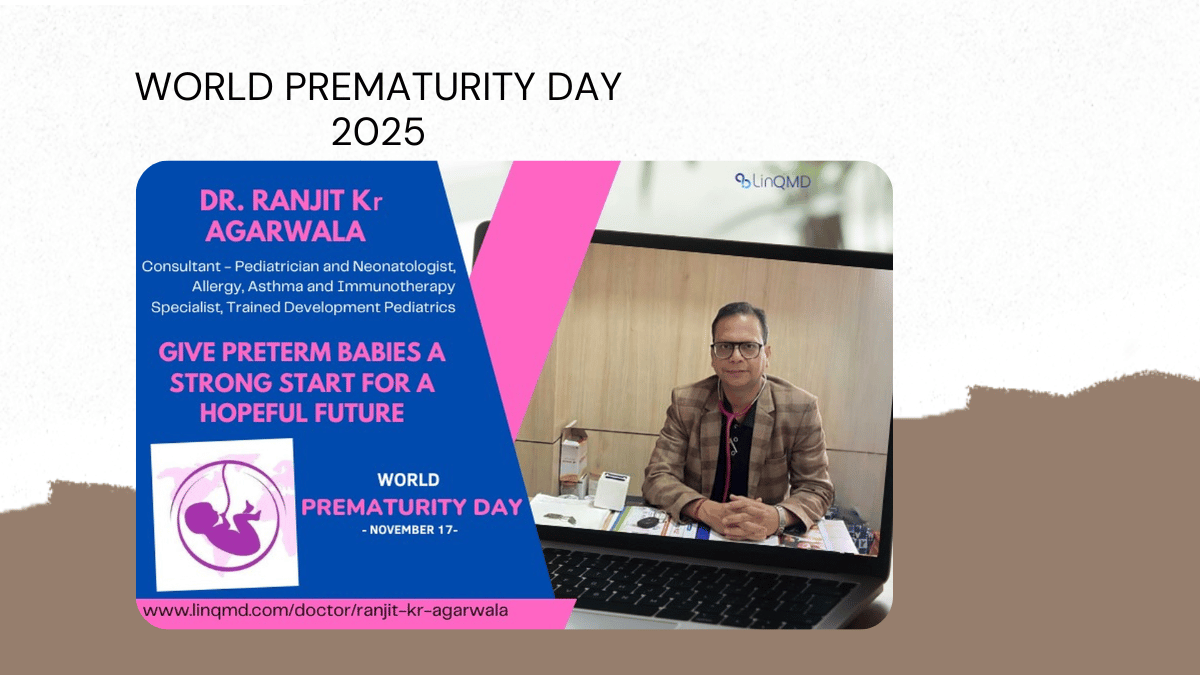
Preterm infants, born before 37 weeks of gestation, face a set of challenges determined by the degree of their prematurity. The earlier the birth, the more immature the organ systems, and the more intensive the monitoring and support required. In Guwahati and across Assam, access to good neonatal care for preterm infants has historically required families to travel to tertiary centres in major cities. My neonatal practice in Guwahati, including management of prematurity and its associated complications, respiratory support, nutritional management, phototherapy for jaundice, and early developmental monitoring, means that families in this region can access experienced neonatal care closer to home. Every preterm baby discharged from neonatal care should be enrolled in structured high-risk infant follow-up, because the outcomes of prematurity are determined as much by the quality of ongoing developmental surveillance after discharge as by the quality of the acute neonatal management.
Allergy and Asthma in Children: Why Proper Diagnosis Changes Everything
Childhood allergy and asthma are among the most common chronic conditions affecting children in Assam and across India, and they are among the most consistently underdiagnosed and undertreated. A child who has had four chest infections in six months, who sneezes every morning during certain seasons, who breaks out in hives after eating specific foods, or who wheezes when exposed to dust or cold air is not simply unlucky. In most cases, there is an identifiable allergic mechanism driving these symptoms, and identifying it is the first step toward treating it correctly rather than repeatedly treating the consequences with antibiotics and oral steroids that do not address the underlying cause. My allergy practice in Guwahati covers food allergies, skin allergies including eczema and urticaria, allergic rhinitis, respiratory allergies, asthma, and allergic conjunctivitis. The precision of allergy diagnosis directly determines the precision of allergy management, and this is where the specific investigations I offer in Guwahati make a meaningful difference.
Skin Prick Test: Identifying the Specific Allergen
The skin prick test is the gold-standard, first-line investigation for identifying IgE-mediated allergen sensitisation. A small drop of allergen extract for each of the allergens being tested is placed on the forearm, and a fine lancet is used to introduce a microscopic amount through the skin. After 15 to 20 minutes, the skin is examined for a raised, reddened wheal response at each allergen site. A positive response indicates sensitisation to that allergen. Skin prick testing is well tolerated by children of most ages and provides results within the same appointment. The panel of allergens tested is selected based on the child's clinical history, and in Guwahati and Assam, regionally relevant allergens including house dust mite, local pollen species, cockroach, pet dander, and common food allergens are all included in the assessment. The results of skin prick testing guide the allergen avoidance advice, environmental control strategies, and immunotherapy planning that form the personalised management plan for each allergic child.
Spirometry: Measuring Airway Function Objectively
Spirometry is the standard lung function test for evaluating airway obstruction in asthma and other obstructive airway diseases. The patient breathes in as fully as possible and then exhales as forcefully and completely as possible into the spirometer. The test measures the forced vital capacity (the total volume exhaled) and the FEV1 (the volume exhaled in the first second), and their ratio. In asthma, the FEV1 is typically reduced relative to the FVC, producing the characteristic obstructive pattern. After the baseline measurement, a bronchodilator is administered and the spirometry is repeated. A significant improvement in FEV1 after bronchodilator, defined as an improvement of 12% or more and 200 mL or more in adults, is the hallmark of reversible airway obstruction and is one of the strongest diagnostic indicators of asthma. Spirometry provides objective evidence that complements the clinical history, and it allows treatment response to be monitored over time with the same objective measure.
FOT: Lung Testing Without Effort, Even for Young Children
The Forced Oscillation Technique, or FOT, is a significant advance in paediatric respiratory assessment that addresses one of the most persistent challenges in assessing lung function in young children: spirometry requires a forced, maximal breathing manoeuvre that most children under six years cannot perform reliably. FOT requires only normal, quiet tidal breathing. Gentle pressure oscillations are superimposed on the breathing pattern, and the airway's resistance and reactance to these oscillations is measured. This provides information about airway resistance and the mechanical properties of the respiratory system without any active effort from the patient. FOT is particularly valuable in young children and in children with severe asthma who cannot cooperate with conventional spirometry, and it is a technology that I have incorporated into my allergy and respiratory practice in Guwahati to extend objective lung function assessment to the full paediatric age range.
Allergy Immunotherapy: The Treatment That Changes the Underlying Disease
Antihistamines, nasal corticosteroid sprays, and inhaled corticosteroids for asthma all work downstream of the allergic reaction, suppressing its consequences while the underlying sensitisation remains unchanged. Allergen immunotherapy is different. By administering gradually increasing doses of the specific allergen to which the patient is sensitised, either by subcutaneous injection (SCIT) or by sublingual drops or tablets (SLIT), immunotherapy induces a progressive shift in the immune response from an allergic, IgE-mediated pattern toward a tolerant, regulatory response. Over the three to five years of a treatment course, this immune shift produces a sustained reduction in allergic symptoms that continues well beyond the end of treatment. For children with allergic rhinitis and asthma driven by house dust mite, grass pollen, or other aeroallergens, and confirmed by skin prick testing, immunotherapy represents the only treatment that modifies the disease rather than suppressing its manifestations. In Guwahati, where access to allergen immunotherapy has historically been limited, I provide this treatment as part of a comprehensive allergy management programme, with skin prick testing to confirm allergen sensitisation, clinical assessment to confirm candidacy, and supervised initiation of the treatment course.
Developmental Paediatrics: When a Child's Development Needs Expert Assessment
Child development follows a predictable sequence of motor, language, cognitive, and social milestones that, when assessed at each well-child visit, provide a window into the child's neurological maturation. Most children pass through these milestones within the expected range without difficulty. Some do not, and the reasons span a wide spectrum from benign developmental variation to conditions that benefit significantly from early specialist intervention. My training in developmental paediatrics through the PGDDN qualification from the Child Development Centre, Kerala, reflects a formal, structured education in the assessment and management of developmental concerns in children that extends beyond what an MD in Paediatrics or General Medicine covers.
When to Seek a Developmental Assessment
Developmental assessment is appropriate at any point when a parent or a clinician observes that a child is not reaching developmental milestones at the expected rate, or when a child is regressing and losing skills they had previously acquired. Regression of previously achieved skills, whether in language, motor function, or social behaviour, is always a red flag that warrants prompt assessment regardless of the child's age. Specific concerns that benefit from early specialist evaluation include a child who is not walking by 18 months, who has no single spoken words by 14 months or no two-word combinations by 24 months, who does not respond to their name by 12 months, who has limited eye contact or social engagement, who does not engage in imaginative play at the expected age, or who shows significant difficulty with attention, behaviour, or sensory processing that interferes with daily functioning. In Guwahati and across Assam, access to specialist developmental paediatric assessment has been limited, and my PGDDN training and developmental paediatric practice in Guwahati fills this gap for families who have concerns about their child's development and need a structured, evidence-based assessment.
Vaccination: The Most Effective Preventive Investment in Child Health
Immunisation is the single most effective intervention in preventive child health, responsible for the elimination or near-elimination of diseases that once caused enormous childhood morbidity and mortality. At my practice in Guwahati, I provide complete immunisation schedules for infants, children, adolescents, and adults, following the Indian Academy of Paediatrics (IAP) schedule, which is the most comprehensive evidence-based vaccination schedule for Indian children and includes both the national programme vaccines and the additional vaccines the IAP recommends based on the Indian disease burden. For children with incomplete vaccination histories or those who have migrated to Guwahati with an unknown or partial immunisation record, I provide personalised catch-up vaccination schedules. Vaccination is discussed at every well-child visit, and parents who have concerns or questions about vaccine safety receive detailed, evidence-based information rather than dismissal.
General Paediatrics: Everyday Child Health Across Infancy Through Adolescence
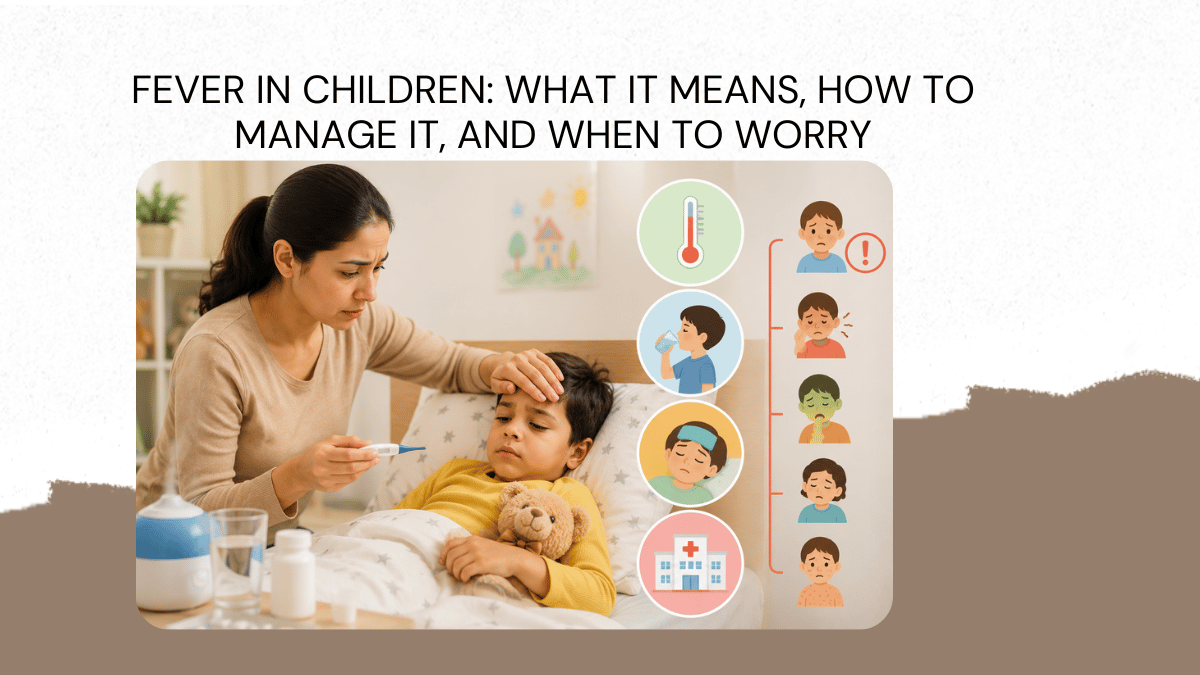
Beyond neonatal care, allergy, and developmental assessment, my practice covers the full spectrum of general paediatric health that children and families need across every stage of childhood. Common childhood infections including fever, cough, cold, and diarrhoea are managed with evidence-based approaches that prioritise appropriate treatment and safety while avoiding unnecessary antibiotic prescriptions. Nutritional assessment, growth monitoring on standard growth charts, guidance on feeding transitions from breast milk to complementary foods, and management of nutritional deficiencies are all integral to the well-child visits I conduct. Behavioural concerns including sleep difficulties, feeding refusal, screen time management, and school-related anxiety are addressed within a practical, family-centred framework. Emergency paediatric situations including severe infections, breathing difficulties, seizures, and accidents are triaged and managed promptly, with appropriate referral to specialist or emergency services when required. In Guwahati, where families may have limited access to multiple specialist clinics across different parts of the city, having a paediatrician who can address the full range of child health needs, including neonatal care, allergy, developmental assessment, and general paediatric concerns, at three conveniently located clinics, reduces the fragmentation that is one of the most common barriers to consistent good child healthcare.
Consulting Dr. Ranjit Kr Agarwala in Guwahati
I consult at three clinics across Guwahati to provide access to paediatric and allergy care across different parts of the city. The Institute of Human Reproduction at Bharalumukh is available Monday to Saturday from 10:30 AM to 2:30 PM. Chikitsa Clinic at Muktadir Arcade, Adabari, is available on Monday, Wednesday, and Friday from 4:30 PM to 6:00 PM. Healpoint Diagnostics and Multispeciality Clinic at AK Azad Road, Rehabari, is available Monday to Friday from 6:30 PM to 8:00 PM. For any concern about your child's health, whether it is a newborn requiring neonatal assessment, an infant with a suspected allergy, a school-age child with poorly controlled asthma, a toddler with developmental concerns, or an adolescent needing a vaccination review, an early consultation is always more productive than a delayed one, because the earlier the diagnosis, the wider the range of treatment options available and the better the long-term outcome for the child.
To book a paediatric, neonatal, allergy, or developmental consultation with Dr. Ranjit Kr Agarwala, call +91 7896573864. Clinics in Bharalumukh, Adabari, and Rehabari, Guwahati, Assam.
Written by Dr. Ranjit Kr Agarwala, MBBS, MD, PGDDN (Post Graduate Diploma in Developmental Pediatrics), AASC (Allergy Asthma Specialist Course, MedTrain, Bengaluru), AAIC, Consultant Paediatrician, Neonatologist, Allergy, Asthma and Immunotherapy Specialist, Trained Development Pediatrics, Institute of Human Reproduction (Goenka Nursing Home), Bharalumukh, Guwahati, Assam 781009; Chikitsa Clinic, Muktadir Arcade, 2, Assam Trunk Road, near V2, Kamakhya Nagar, Adabari, Guwahati, Assam 781014; and Healpoint Diagnostics and Multispeciality Clinic, 55, AK Azad Road, Rehabari, Guwahati, Assam 781008. 17+ years. 20,000+ patients. Phone: +91 7896573864.
Related reading
Managing Asthma in Children: Tips for Parents and Caregivers
Early Signs of Childhood Developmental Delays and How to Address Them
Understanding Allergies in Children: Symptoms, Testing, and Prevention
Fever in Children: What It Means, How to Manage It, and When to Worry
World Prematurity Day 2025 | “Give Preterm Babies a Strong Start for a Hopeful Future”
Add a Comment