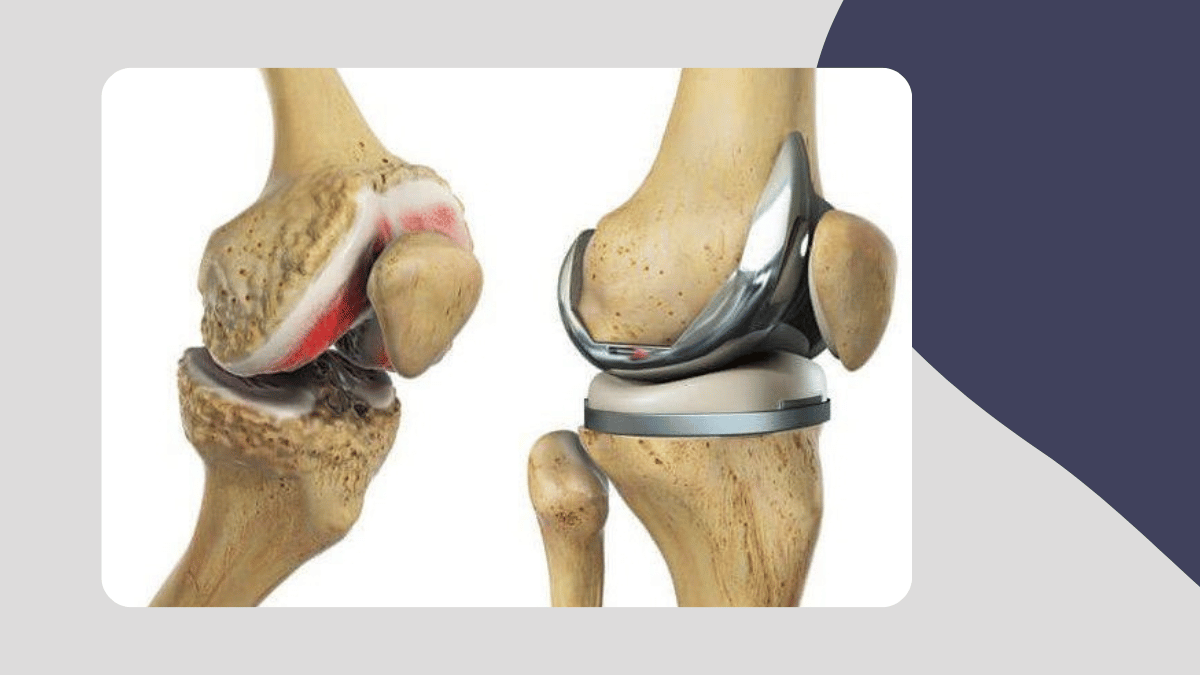
In my profile and in my guide to orthopaedic and robotic joint replacement surgery, I described revision joint replacement as one of the most technically demanding areas of my practice. I want to expand on that here, because patients who come to me needing revision surgery are in a specific and difficult situation: they have already had a joint replacement, they are still in pain or have lost function, and they are trying to understand what went wrong and whether a second surgery can help them. The answer, in most cases, is yes, but revision surgery is substantially more complex than the original replacement, and the choice of surgeon matters more, not less, for a revision than it did for the primary procedure. My fellowship in revision joint replacement surgery, completed in Germany at one of Europe's leading centres for complex reconstructive orthopaedics, was specifically designed to train surgeons in the planning, technique, and implant strategy required for these demanding cases. Revision joint replacement surgery is not a correction of a mistake. It is a highly specialised surgical discipline in its own right, and understanding it clearly is the first step toward making the right decision.
Why Do Joint Replacements Fail?
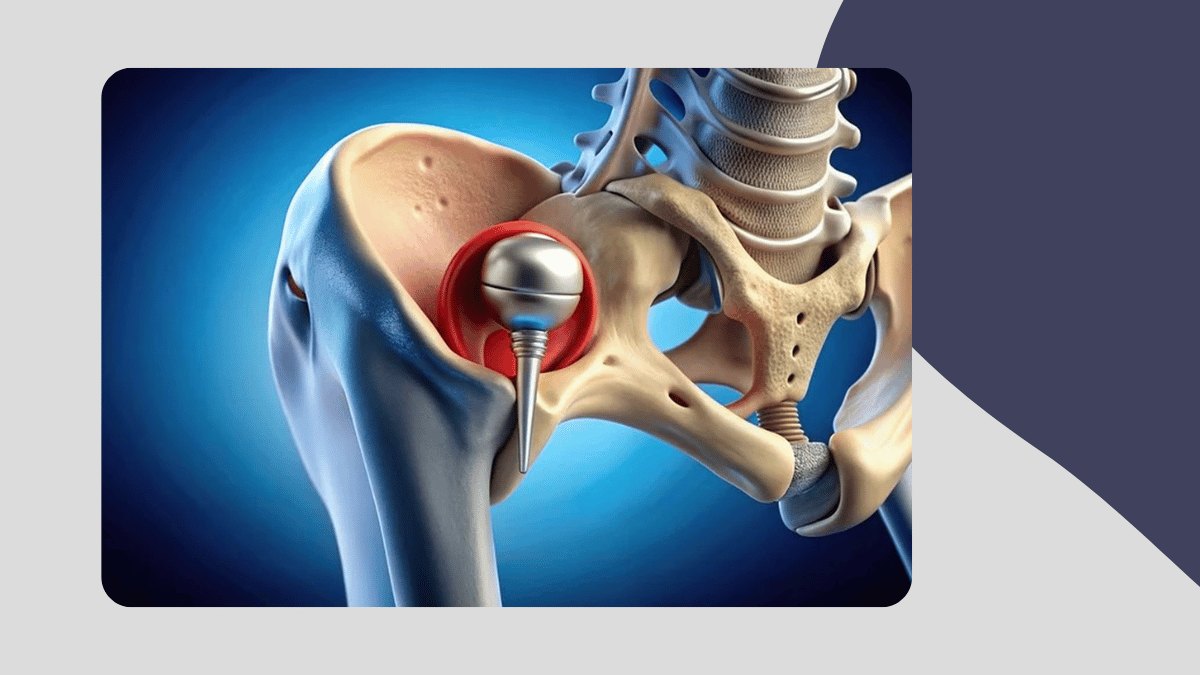
Modern knee and hip replacements are highly durable implants. The majority last fifteen to twenty years or longer, and for many patients they provide decades of pain-free, high-function life. But they are not permanent, and they fail for a range of reasons that span mechanical, biological, and infectious causes. Implant loosening is the most common reason a joint replacement eventually needs revision: over years of loading, the bond between the implant and the bone can weaken, particularly in younger or more active patients who subject the implant to higher cumulative mechanical stress. Infection, whether occurring in the weeks after the original surgery or developing years later from bacteria that seed the implant from a distant site, is the most serious cause of revision and requires the most complex management. Instability, where the joint feels unstable or gives way during activity, often results from soft tissue imbalance at the time of the original surgery or from progressive wearing of the polyethylene bearing component. Stiffness after a knee replacement that limits daily function, persistent pain that was never adequately explained, and implant wear that produces dark synovial fluid and bone loss around the implant are all indications for revision evaluation. The cause of failure determines the type of revision surgery required, which is why the evaluation of a failing joint replacement must be thorough, systematic, and conducted by a surgeon experienced in the full spectrum of revision causes and their specific solutions.
What Does Revision Surgery Actually Involve?
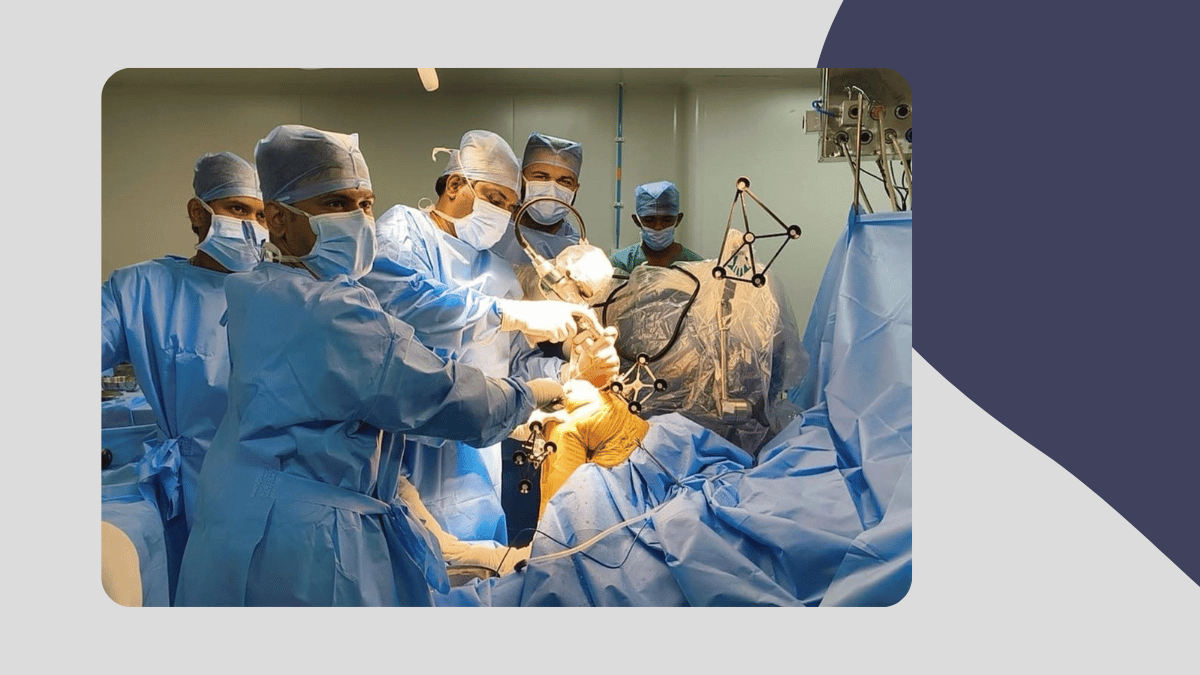
Revision surgery begins before the patient enters the operating theatre, with a planning process that is substantially more intensive than what is required for a primary replacement. Detailed imaging, including weight-bearing X-rays, CT scans, and in some cases nuclear medicine bone scans, maps the extent of implant loosening, bone loss, and surrounding tissue involvement. Blood tests and, if infection is suspected, joint aspiration and microbiological culture identify the causative organism and guide antibiotic selection. The surgical plan must account for the anatomy that exists now, after the previous surgery, rather than the normal anatomy that existed before. This means planning for scar tissue removal, for revision-specific implant systems that extend further into the remaining bone for fixation, and for reconstruction of bone defects using bone graft, metal augments, or structural cone and sleeve implants designed to replace missing bone. In infected revision cases, the surgery is typically staged: the infected implant is removed and replaced with an antibiotic-loaded cement spacer in a first operation, a prolonged course of targeted antibiotics is administered, and then the definitive revision implant is placed in a second operation once the infection is eradicated. Revision joint replacement surgery at SPARSH Hospital, Infantry Road, Bengaluru, is planned individually for each patient based on the cause of failure, the extent of bone loss, and the specific revision implants available for that anatomy.
What Patients Who Need Revision Surgery Should Know Before Choosing a Surgeon
Revision surgery carries a higher complication rate than primary joint replacement, and the outcomes, while good in experienced hands, are more variable than after a first replacement. This is not a reason to avoid revision when it is indicated, but it is a reason to be deliberate about the choice of surgeon. The most important questions to ask are: how many revision cases does this surgeon perform each year, what is their specific training in revision orthopaedics, and do they have access to the full range of revision-specific implant systems including constraint-increasing revisions, cone and sleeve augments, and megaprosthesis options for severe bone loss cases? My fellowship training in Germany specifically covered these complex cases, and my practice at SPARSH Hospital, Infantry Road, Bengaluru includes a significant volume of revision knee and hip replacements including patients referred from other hospitals after failed primary surgery performed elsewhere. The emotional burden of revision surgery is also real: having undergone one unsuccessful procedure and facing another is difficult. Clear communication, realistic expectations about recovery timelines, and a structured rehabilitation plan are as important to the outcome of revision surgery as the technical elements of the operation itself. For patients in Bengaluru and across Karnataka with a failed joint replacement, an early specialist assessment is the most important step, because identifying the cause of failure completely determines what the correct revision strategy is.
To book a consultation with Dr. Ravikumar Mukartihal at SPARSH Hospital, Infantry Road, Bengaluru, call +91 9740559431.
Written by Dr. Ravikumar Mukartihal, MS (Orthopaedics), MAKO Robotic Joint Replacement Proctor, Fellowship in Revision Joint Replacement Surgery (Germany), National Fellowship Director, Consultant Orthopaedic and Joint Replacement Surgeon, SPARSH Hospital, Infantry Road, Bengaluru. 18+ years. 35,000+ patients. 15,000+ procedures. Phone: +91 9740559431.
Related reading
When do you need a joint replacement Signs it's time for surgery.
Robotic Knee Replacement: Precision Care for Pain-Free Mobility
Understanding Knee and Hip Arthritis: Causes, symptoms and treatment options

Add a Comment