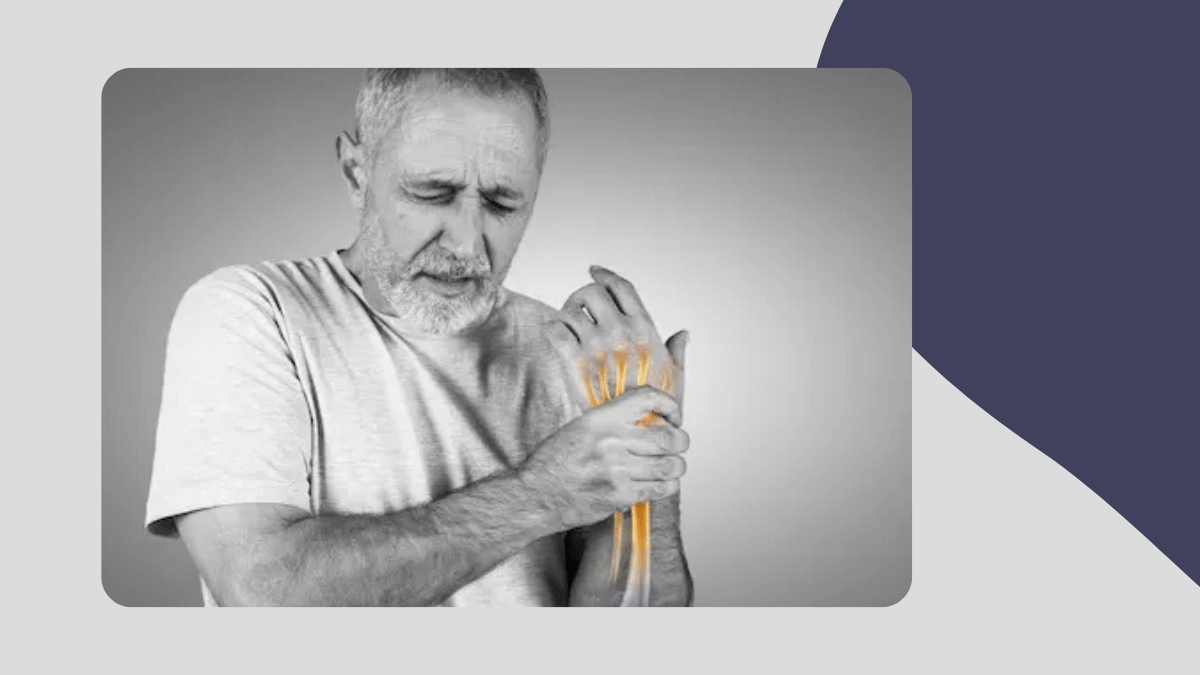
Joint pain, stiffness and reduced mobility can make everyday activities challenging. While conservative treatments like medications, physiotherapy and lifestyle modifications help manage joint issues, there comes a point when surgery becomes the best option. Dr. Ravikumar Mukartihal, Consultant Orthopedic and Joint Replacement Surgeon, explains the key signs that indicate it’s time to consider joint replacement surgery.
Persistent pain that doesn’t improve with treatment:
If you have been dealing with constant knee or hip pain that persists despite trying medications, injections and physical therapy, it may be time to consider joint replacement surgery. Pain that affects sleep, limits mobility or requires frequent painkillers is a clear indicator that your joint damage has progressed.
Difficulty performing daily activities
Struggling with routine activities such as walking, climbing stairs, getting in and out of a chair or even standing for long periods is a sign that your joint function has deteriorated. If mobility is restricted despite using walking aids or support, joint replacement can help restore movement and independence.
Severe stiffness and limited range of motion:
A joint affected by osteoarthritis, rheumatoid arthritis or degenerative arthritis often becomes stiff, making it difficult to bend, straighten or rotate. If your knee or hip feels "locked" or prevents free movement, surgical intervention can restore flexibility and function.
Joint deformity or structural damage:
A visible change in the shape of your knee or hip, such as bowed legs, inward rotation or a sunken hip, can indicate advanced joint degeneration. If X-rays or MRI scans show severe cartilage loss or bone-on-bone contact, a joint replacement may be necessary to correct the deformity and relieve pain.
Inability to participate in an active lifestyle:
If joint pain and stiffness prevent you from enjoying activities like walking, jogging, yoga or even playing with your children or grandchildren, it may be time to opt for joint replacement. The goal of surgery is to help patients regain an active and pain-free lifestyle.
Pain affects mental well-being:
Chronic joint pain not only affects physical health but also impacts mental and emotional well-being. If joint discomfort is causing frustration, irritability or depression due to limited mobility, seeking an effective, long-term solution like joint replacement surgery can significantly improve your overall quality of life.
Non-surgical treatments are no longer effective:
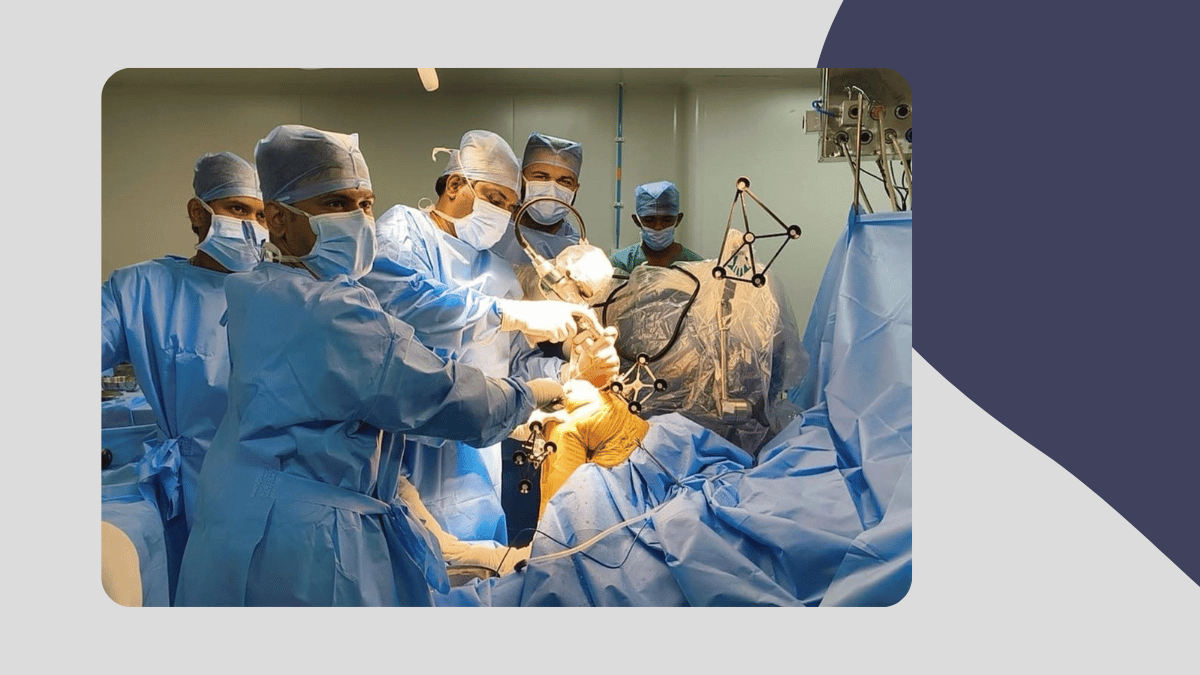
If treatments like pain medications, steroid injections, physiotherapy and lifestyle changes no longer provide relief or only offer temporary benefits, joint replacement surgery becomes the next best step. Modern advancements like robotic-assisted joint replacement provide minimally invasive options with faster recovery and better outcomes.
Take the first step towards a pain-free life:
If you are experiencing any of these signs, it’s time to consult a specialist. Dr. Ravikumar Mukartihal, an expert in joint replacement and robotic-assisted surgeries, can evaluate your condition and recommend the best treatment plan for you. Book an appointment today to regain mobility and live without joint pain!



Add a Comment