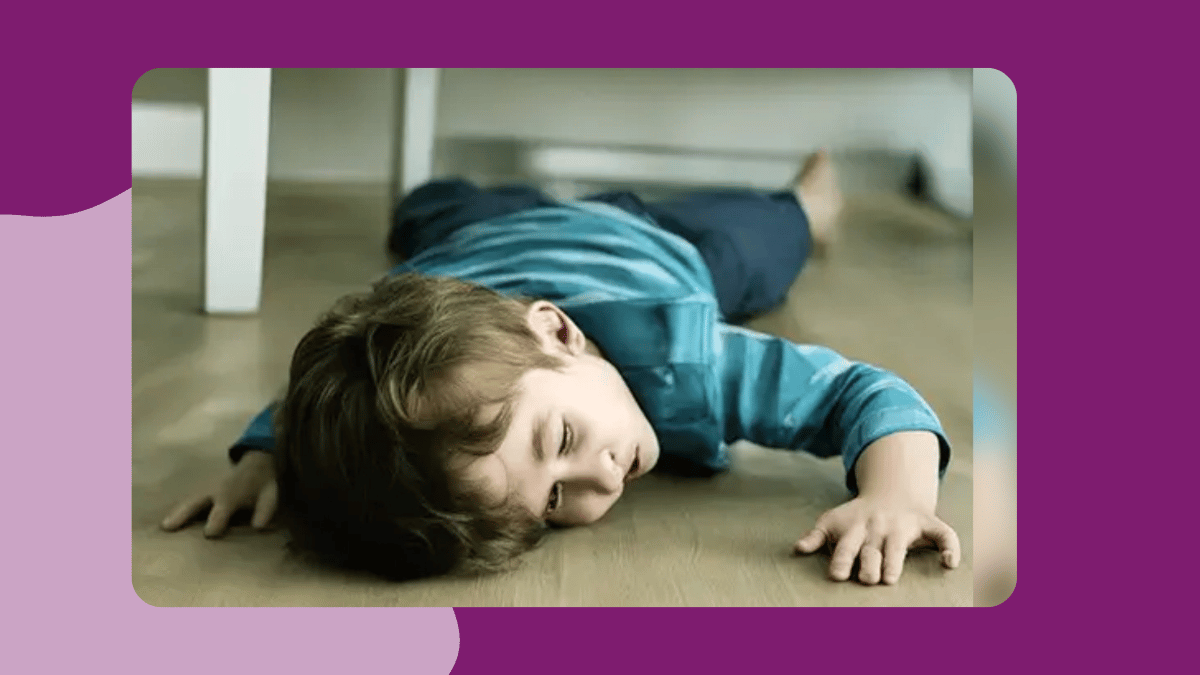
We often see seizures portrayed on TV or hear stories of someone having a “fit.” But what happens when it’s not a stranger on a screen — when it’s your own child, a neighbor’s toddler, or a child in your classroom? Suddenly, it’s not just frightening — it’s confusing, overwhelming, and deeply personal.
👉 Is it a seizure? Is it a fit? Or is it something else entirely?
👉 What should you do in that moment? What should you not do?
How do you respond, support, and protect?
This blog is here to answer those questions — to break down the basics of pediatric epilepsy in a way that every parent, caregiver, or concerned adult can understand. Because when you know what’s happening and what to do, you can turn fear into action — and make a world of difference in a child’s life.
Fit, Seizure, Convulsion, and Epilepsy: What’s the Difference?
These terms are often used interchangeably but have slightly different meanings:
- Seizure: A sudden abnormal increase in the electrical activity of the brain. This can lead to changes in movement, sensation, awareness, or behavior.
- Convulsion: A type of seizure that involves jerky, rhythmic movements of the body.
- Fit: A non-medical term commonly used to describe a seizure.
- Epilepsy: A medical condition where a child has tendency to have repeated, unprovoked (untriggered) seizures. It has varied causes and outcomes.
Do all seizures look the same?
- It’s important to remember that not all seizures are dramatic with full body jerking movements (generalized seizures).
- Some can be much subtler — like an absence seizure, where the child just stares into space for a few seconds and becomes briefly unresponsive.
- Others may be focal seizures that affect only the eyes, face, one hand, or even just the sensation in a part of the body — such as tingling, fear, or unexplained vomiting.
👉 These can easily go unnoticed or be mistaken for something else. If you ever see something unusual and aren’t sure, record a video and speak to a specialist — even the smallest clues can help in diagnosis.
Can Seizures Happen at Any Age?
- Yes. Seizures can occur at any age—from newborns to teenagers and adults. The type of seizures and their causes often vary depending on the child’s age.
What Causes Epilepsy in Children?
There is no one-size-fits-all answer. Some of the common causes include:
- Congenital brain malformations – changes in brain structure present at birth.
- Acquired brain injuries – like birth trauma, lack of oxygen at birth, or stroke.
- Brain infections – such as meningitis or encephalitis.
- Head trauma – especially if severe or with bleeding.
- Genetic causes – some children have inherited conditions that affect brain activity.
- Metabolic or autoimmune causes – rare but possible.
👉 Not all children with epilepsy have an underlying serious issue. Many cases are benign or self-limited and can resolve with time.
How Is Epilepsy Diagnosed?
Depending on the symptoms, the doctor may recommend:
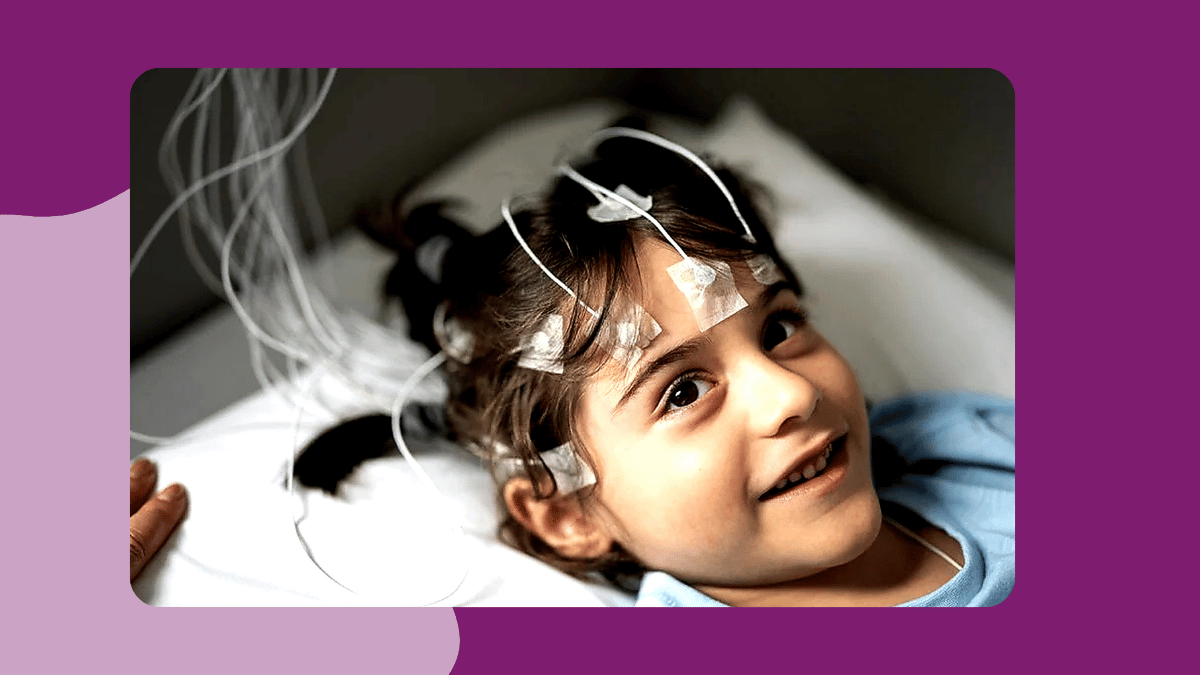
- EEG: A safe, painless test that records the brain’s electrical activity. Younger kids may need a mild sedative syrup.
- MRI Brain: A harmless scan to look at brain structure. Younger children may need IV sedation.
- Blood Tests: To check for infections, metabolic issues, or genetic causes.
- Genetic Testing: A blood test to identify gene mutations linked to epilepsy.
- Lumbar Puncture: A test done to study fluid in the brain. Done safely and only when required.
👉 Most children do not need all these tests. Doctors escalate investigations step-by-step only if needed.
How Is Epilepsy Treated?
- Treatment depends on seizure type, cause, and the child’s age. Your pediatric neurologist will guide you:
- Some children don’t need medicines (e.g., a one-time seizure with fever).
- Others may need medicines for 1–2 years or longer.
- Some require long-term therapy.
What Is a Rescue Medication?
If a seizure lasts more than 3 minutes, a rescue medicine may be prescribed:
- Nasal spray
- Buccal spray (inside the cheek)
👉 Parents/caretakers will be taught how and when to use it. This helps in stopping a seizure especially if its long or if the child is travelling etc.
What About Seizure Medications? Do they have side-effects?
- Many parents feel very anxious about starting seizure medications, mainly due to concerns about side effects. And it’s a valid concern — because like any medicine, even food or skincare products, seizure medications can have side effects.
- But when it comes to epilepsy, the benefits of seizure medications usually far outweigh the risks.
- Today, we have a wide range of new-generation anti-seizure medications that are far safer and better tolerated than older ones. These medicines help control seizures, improve quality of life, and allow the child to grow, learn, and engage in everyday activities with manageable side-effects.
- Most of these medications are not addictive, do not harm cognition, and do not damage major organs like the liver, kidneys, or heart.
- In rare cases where a medicine might have side effects, doctors closely monitor the child and either adjust the dose or stop the medicine.
👉 So, with proper supervision, seizure medications are safe and play a vital role in your child’s treatment journey.
What to Do If Your Child Has a Seizure?
- Stay calm.
- Turn the child gently to one side. And if required the head maybe cushioned.
- Do not put anything in the mouth or hand.
- If there’s food in the mouth, gently swipe it out.
- Time the seizure and, if possible, record a video.
- If the seizure lasts >3 minutes, give rescue medication as prescribed by a doctor.
- Go to the hospital if it's the first seizure, a long seizure or if recovery is delayed.
- Do not attempt CPR/mouth to mouth respiration.
- Do not restrain the movements.
Is Epilepsy a Lifelong Problem?
Epilepsy should not be seen as a lifelong problem — because for many children, there is a solution.
- In fact, many children have what is called self-limited or benign epilepsies. These often respond well to treatment, and children eventually grow out of them. With good control, they live a completely normal life, and their medications can be safely stopped — often without any seizures in adulthood.
- Another group of children, especially those with brain structural changes or certain genetic conditions, may need longer-term or even lifelong medications. But even then, they can lead a full and active life with the help of safe, modern treatment options.
- For some children, surgery or dietary therapies like the ketogenic diet may help further reduce or eliminate seizures.
- It is important to note that a very small percentage of children have seizures that are hard to control, despite multiple medications. These children need close monitoring, long-term care and ongoing support.
- But the good news is that most children either outgrow epilepsy or manage it well with medication — so for most families, epilepsy is a condition with a path forward, not a permanent barrier.
- So, if your child has been diagnosed with epilepsy, it’s not the end of the world. With timely treatment, follow-up, and precautions, most children live happy, active lives.
What activities or food must my child avoid?
- Avoid unsupervised swimming, heights, and always wear a helmet when cycling.
- However, children with well-controlled epilepsy can attend school, play sports, and live fully — just like their peers.
- There are no particular food restrictions in children with epilepsy.
- In most cases, children on regular medications can go on to do most activities safely and confidently.
What Other Challenges Can Children with Epilepsy Face?
While many children with well-controlled epilepsy grow up without major issues, some may face:
- Learning difficulties
- Attention problems or ADHD
- Autism-like features
- Anxiety, low confidence, or social challenges
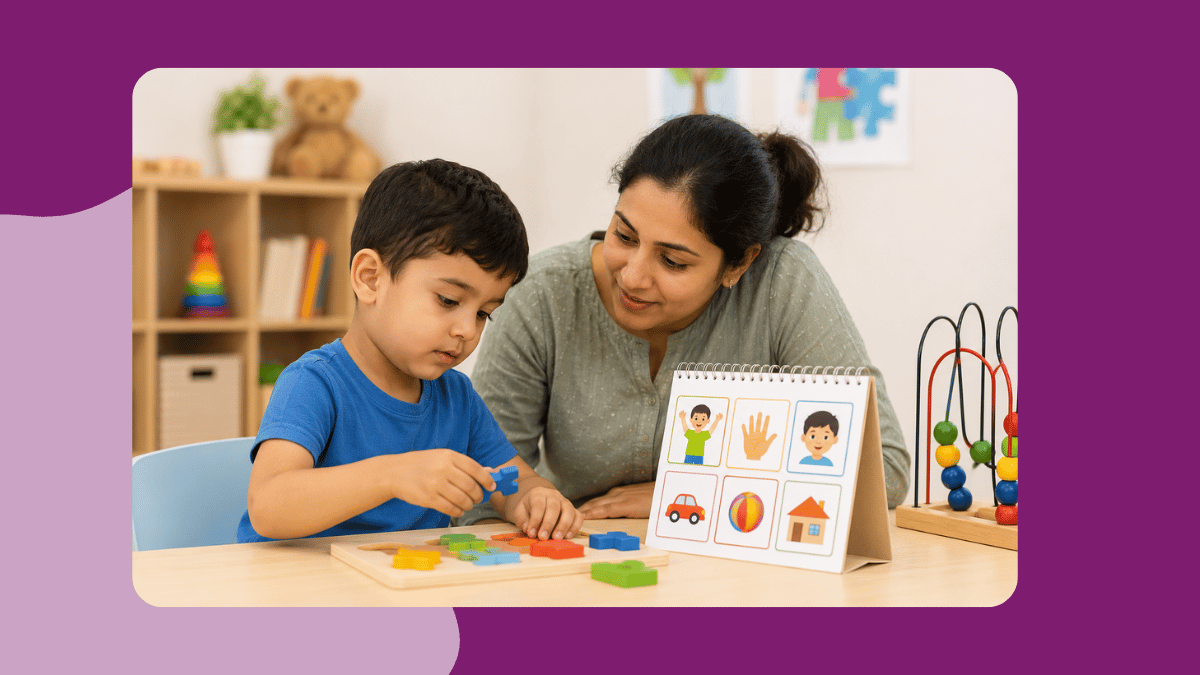
👉 These can often be managed with early intervention, support from developmental psychologists, child psychiatrists, and therapists.
Teachers and classmates must support and include the child. Epilepsy should never be a taboo. With community and school involvement, children feel accepted and thrive.
So, there you have it!—epilepsy is not the end of the world. With the right diagnosis and treatment, it can be managed, and most children go on to live full, happy lives. Let’s break the stigma and spread awareness—because epilepsy is not a death sentence, it’s a condition we can face with knowledge and support.

Add a Comment