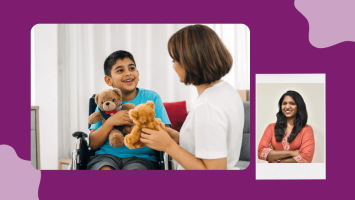
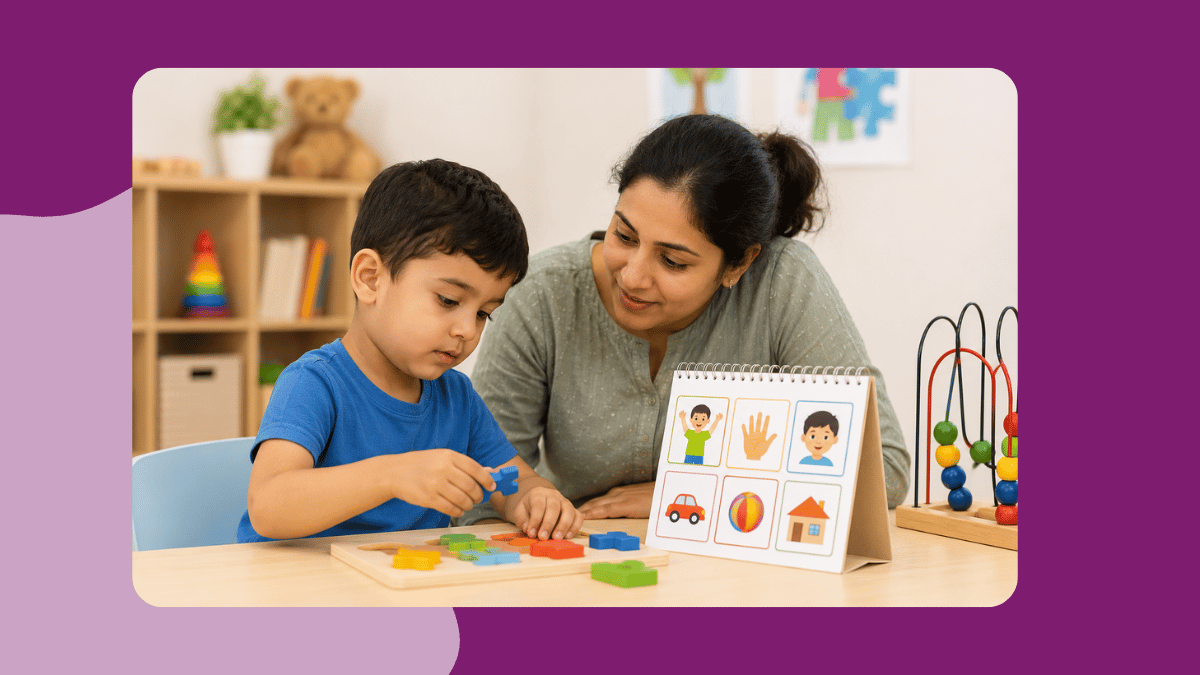
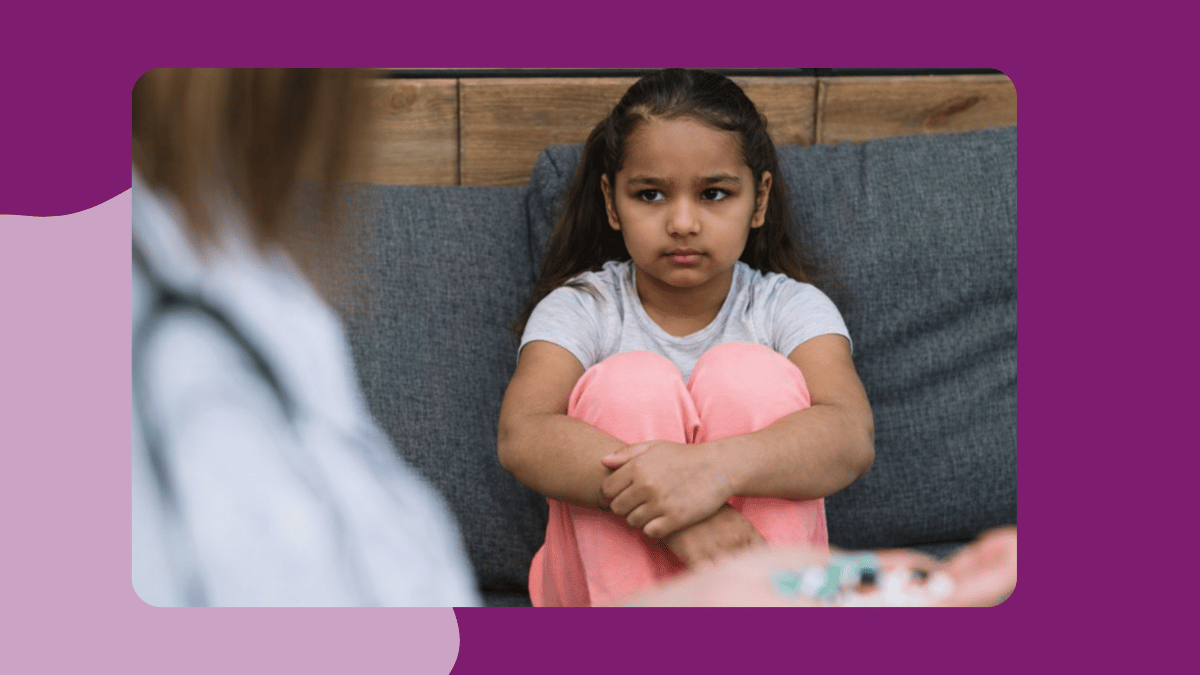
Parents can help by ensuring the child receives appropriate therapy, providing a supportive environment, and working with the school to make necessary adjustments to the child’s education and social interactions.
Consultant Pediatric Neurology
MBBS, MD Pediatrics, Fellowship- Pediatric neurology
14 Years of experience
15000 patients
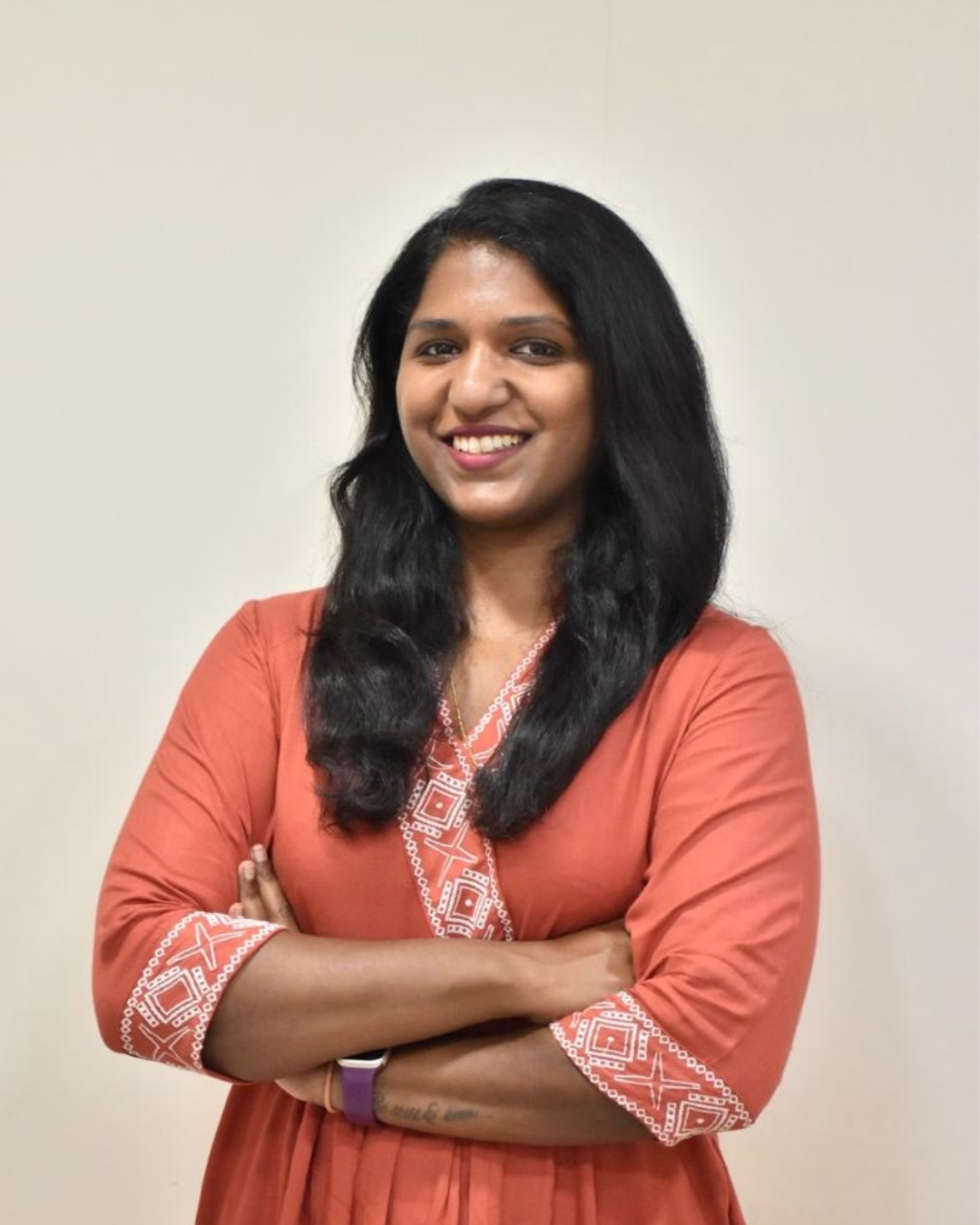
Dr. Sameeta Mercy Prabhu is a leading Consultant Pediatric Neurologist in Bangalore, specializing in the diagnosis and management of complex neurological conditions in children. She holds an MBBS and MD (Pediatrics) from the Rajiv Gandhi University of Health Sciences and completed her Pediatric Neurology fellowship at Manipal University. With rich experience from premier institutes like Manipal Hospital and NIMHANS, Dr. Sameeta expertly treats epilepsy, headaches, neuromuscular disorders, neurodevelopmental delays, and genetic conditions. She is highly skilled in pediatric electrophysiology, including EEG and nerve conduction studies. Known for her compassionate care, Dr. Sameeta is dedicated to improving neurological health outcomes in children.
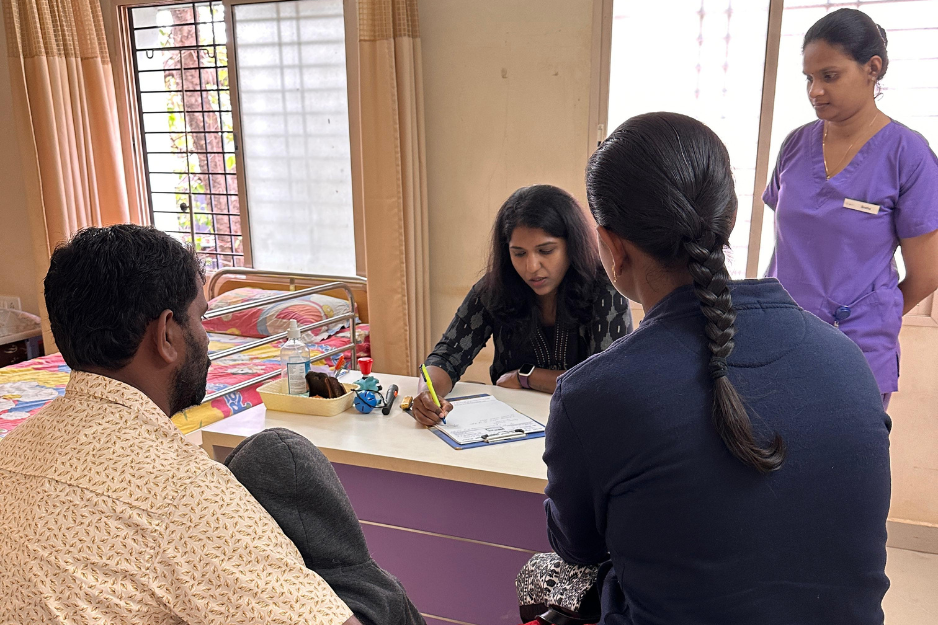
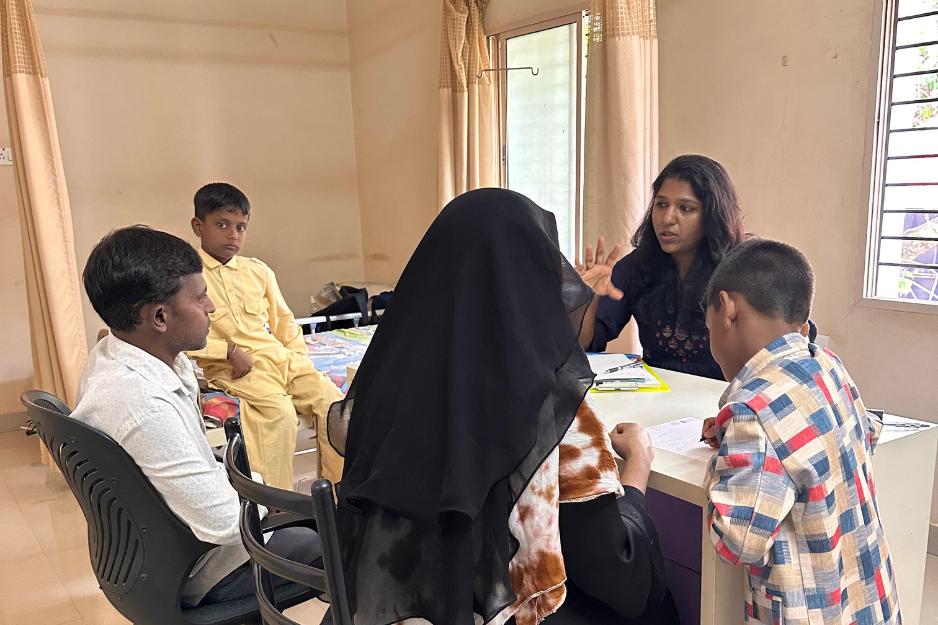
Dr. Sameeta Mercy Prabhu specializes exclusively in pediatric neurology, offering dedicated neurological care to infants, children, and adolescents. She focuses on diagnosing and managing disorders that affect the developing brain, spinal cord, muscles, and nerves. With advanced training in pediatric-specific neurological evaluation and treatment, she ensures that young patients receive age-appropriate, precise, and compassionate care. She works closely with families to create individualized care plans that support both medical needs and developmental goals.
Dr. Sameeta Mercy Prabhu brings extensive expertise in managing a wide spectrum of pediatric neurological conditions. She is skilled in the diagnosis and treatment of epilepsy, neuromuscular disorders, movement disorders, neurodevelopmental delays, and genetic and neurometabolic conditions. Her proficiency also includes managing immune-mediated neurological disorders and interpreting pediatric electrophysiological studies like EEGs and nerve conduction tests. With experience from leading institutions like Manipal Hospital and NIMHANS, she combines clinical excellence with a patient-centered approach. Dr. Sameeta is committed to providing comprehensive neurological care that not only addresses the medical condition but also supports the child’s overall growth and development.
International Airport Road BIAL Road, Chandra Mouleshwara Swamy Temple Rd, opp. to Kodandarama, Byatarayanapura CMC and OG Part, Bengaluru, Karnataka 560092
Email: [email protected]
Stroke in Children? Yes, It Happens — Here’s What to Know
Understanding Autism and the Role of Pediatric Neurology in Diagnosis and Care
Paediatric Egg : Why and when is it recommended for your child
Understanding Pediatric Epilepsy: What Every Parent Needs to Know
Children’s Health Can Common Infections Trigger Mental Health Illnesses In Kids
Parents can help by ensuring the child receives appropriate therapy, providing a supportive environment, and working with the school to make necessary adjustments to the child’s education and social interactions.
With early diagnosis, therapy, and support, many children with neurodevelopmental disorders can develop skills that enable them to lead independent lives, though the degree of independence may vary.
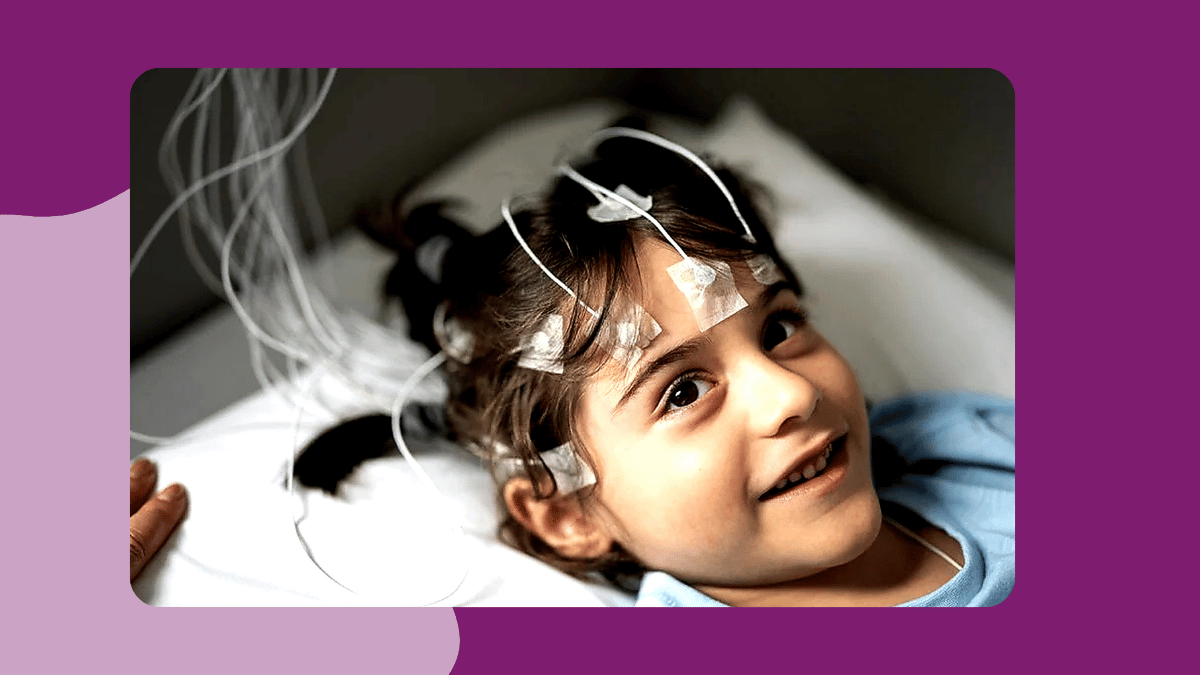
EEG (electroencephalogram) helps monitor brain activity and diagnose conditions like epilepsy, sleep disorders, and certain neurological disorders.
Early intervention greatly improves outcomes, especially in conditions like cerebral palsy or autism, by addressing developmental delays before they become more severe.
Some conditions like epilepsy may benefit from special diets, such as the ketogenic diet. Always consult a doctor before making dietary changes.
Yes, treatments like physical therapy, medication, and assistive devices are available to help manage cerebral palsy without surgery, although surgery may be required in some cases.
Neurorehabilitation helps children regain lost skills and improve their physical, cognitive, and emotional functioning after a neurological event.
Parents can support recovery through early rehabilitation, ensuring the child follows therapy sessions, and maintaining a nurturing and encouraging environment.
Some children may experience improvements or outgrow certain conditions like ADHD or epilepsy, but this depends on the specific diagnosis and treatment.
Seizures should be managed with medications to control them, and a comprehensive treatment plan based on the child’s specific condition and needs.
If headaches are frequent, severe, or accompanied by other symptoms like vomiting, changes in vision, or seizures, a consultation with a pediatric neurologist is recommended.
Common causes include tension headaches, migraines, sinus infections, and stress. Neurological conditions like epilepsy can also contribute.
Treatment includes physical therapy, occupational therapy, medications, and sometimes surgical interventions to improve muscle strength and function.
Yes, movement disorders like cerebral palsy can be managed with therapies, medications, and sometimes surgery to improve the child’s quality of life.
Genetic testing helps diagnose inherited neurological conditions, such as neuro-metabolic disorders, and can guide personalized treatment options.
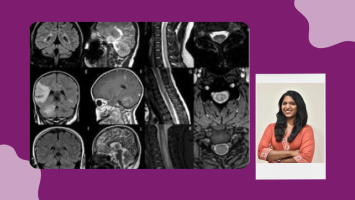
Pediatric stroke occurs when blood flow to the brain is interrupted in children, leading to neurological damage. It often requires different treatment strategies compared to adult strokes.
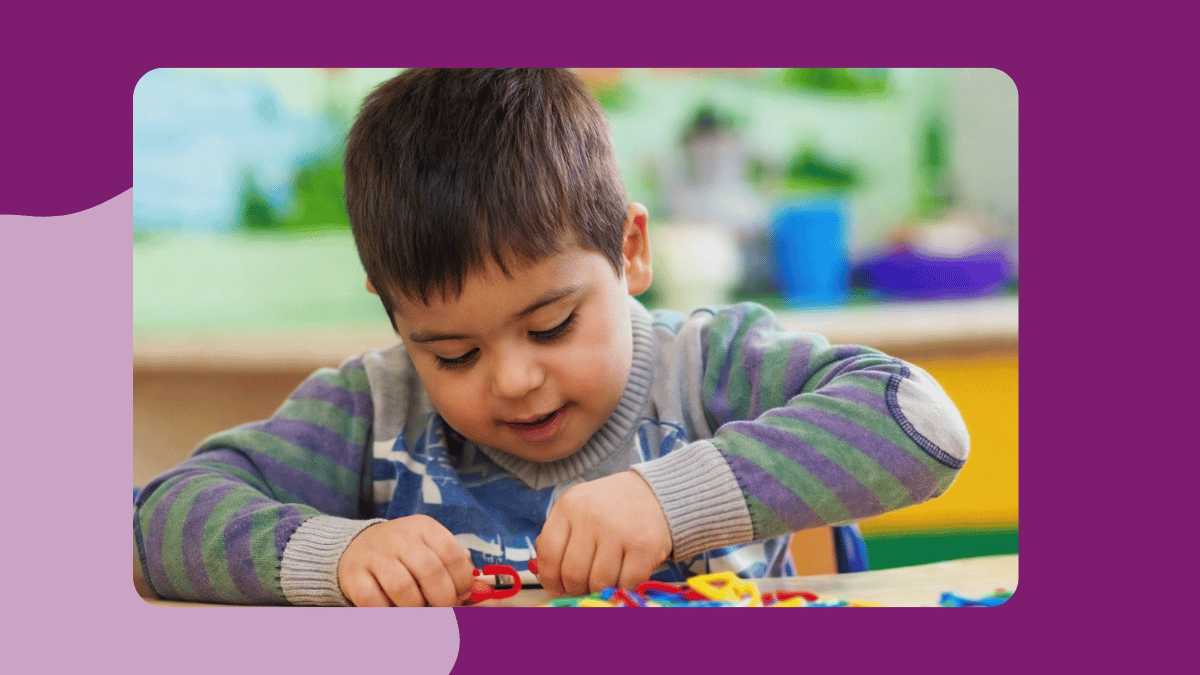
These disorders affect a child’s development in areas such as speech, motor skills, and social interaction. Examples include autism and ADHD.
Diagnosis is made through a thorough clinical examination, medical history, imaging tests (like MRI or CT scans), EEG, and sometimes genetic testing.
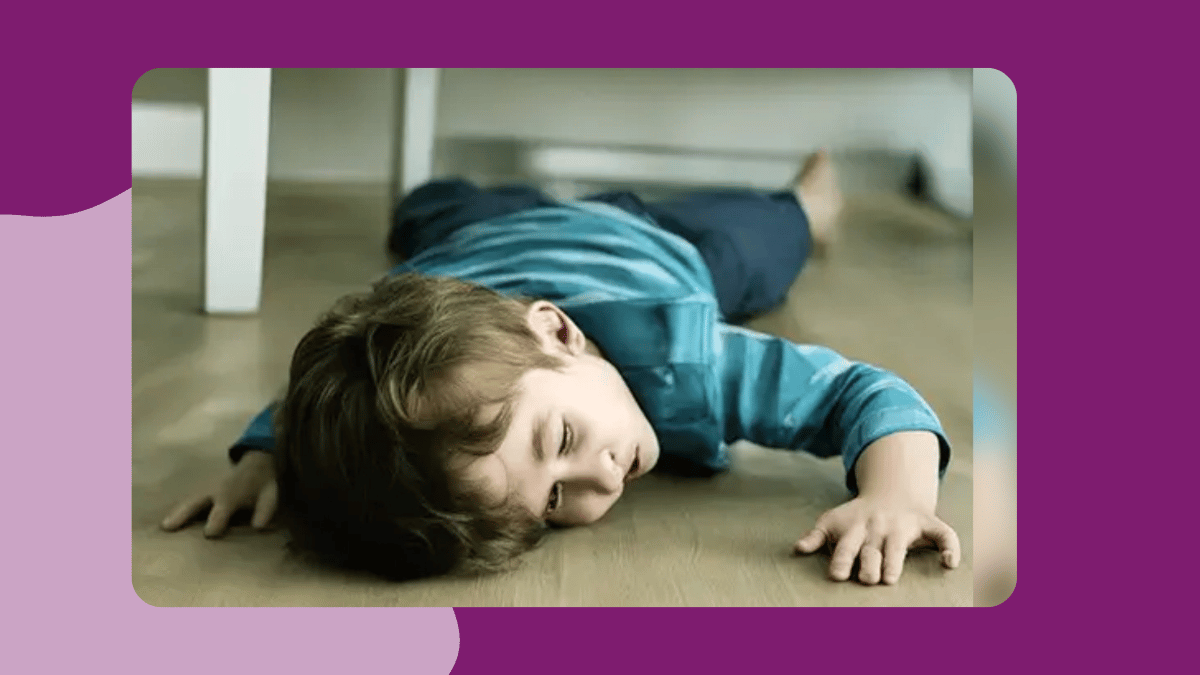
Pediatric epilepsy refers to seizures caused by abnormal brain activity. It can be managed with medications, dietary therapies, and sometimes surgery.
Early signs include developmental delays, speech or language difficulties, motor skill issues, seizures, and changes in behavior.