
One of the most exciting moments for parents is watching their child take those first tiny steps. But what happens when those steps seem delayed? It’s natural to feel anxious when other children the same age are already walking while your little one is still crawling, cruising, or hesitant to stand.
The reassuring news is this: every child develops at their own pace. Some children walk as early as 10 months, while others may confidently walk closer to 15–18 months. A late walker does not always mean there is a serious problem.
At the same time, it is important to know when a delay may need a closer look because early support can make a huge difference.
What Is a Motor Delay?
Motor development refers to how children learn to control and coordinate their muscles and movements. These are divided into:
- Gross motor skills – larger movements like sitting, crawling, standing, and walking
- Fine motor skills – smaller movements like grasping toys, feeding themselves, or drawing
A motor delay means a child is taking longer than expected to achieve these milestones. Some children simply catch up a little later than others. For some, however, delayed milestones may be a sign of an underlying medical or developmental condition that needs attention.
Important Milestones Before Walking
Before a child walks independently, they usually achieve several important motor milestones along the way:
- Good head control by around 3–4 months
- Rolling over by 4–6 months
- Sitting independently by 7–8 months
- Crawling or moving around by around 9–10 months
- Pulling to stand and cruising by around 10–12 months
- Standing independently by around 12 months
- Walking independently usually between 11–15 months
Walking is generally considered delayed if a child is not walking independently by 18 months.
Reasons Why Some Children Walk Late
There are many possible reasons, and not all are serious.
1.Some Children Are Simply Late Bloomers
A few children have a naturally slower pace of development and eventually catch up completely. Often, there may be a family history of “late walkers.”
2.Reduced Opportunities for Movement
Children need time and space to move, explore, crawl, and practice standing. Limited floor play or excessive screen time may sometimes affect motor development.
3.Nutritional Deficiencies
Low levels of nutrients such as:
• Vitamin D
• Vitamin B12
• Iron
can affect muscle strength and energy levels.
4.Prematurity or Birth-Related Issues:
Children born prematurely or those who had complications around birth may take longer to achieve milestones.
5.Muscle, Nerve, Brain, or Bone Conditions
Occasionally, delayed walking may be linked to conditions affecting:
- The brain (such as cerebral palsy)
- Muscles
- Nerves
- Spine
- Bones or joints
- Genetic or metabolic disorders
6.Associated Developmental Delays
If delayed walking occurs along with speech delay, poor social interaction, feeding difficulties, stiffness, floppiness, or seizures, it is important to seek a detailed evaluation.
Signs That Mean You Should Seek Medical Advice
It is a good idea to speak to your pediatrician or pediatric neurologist if your child:
- Is not sitting independently by 9 months
- Is not standing with support by 12 months
- Is not walking by 18 months
- Seems very stiff or very floppy
- Uses one side of the body much more than the other
- Frequently falls or appears unusually weak
- Has loss of previously achieved skills
- Has feeding difficulties or speech delays along with motor delay
Parents often notice subtle differences early and trusting those instincts is important.
Why Early Identification Matters
The first few years of life are a period of rapid brain development. During this time, the brain has remarkable ability to learn and adapt.
Early assessment can help:
- Identify the cause of delay
- Rule out serious conditions
- Start therapies and treatment early
- Improve long-term motor, learning, and communication outcomes
- Support parents with guidance and reassurance
Depending on the child’s needs, evaluation may include:
- Clinical examination
- Blood tests
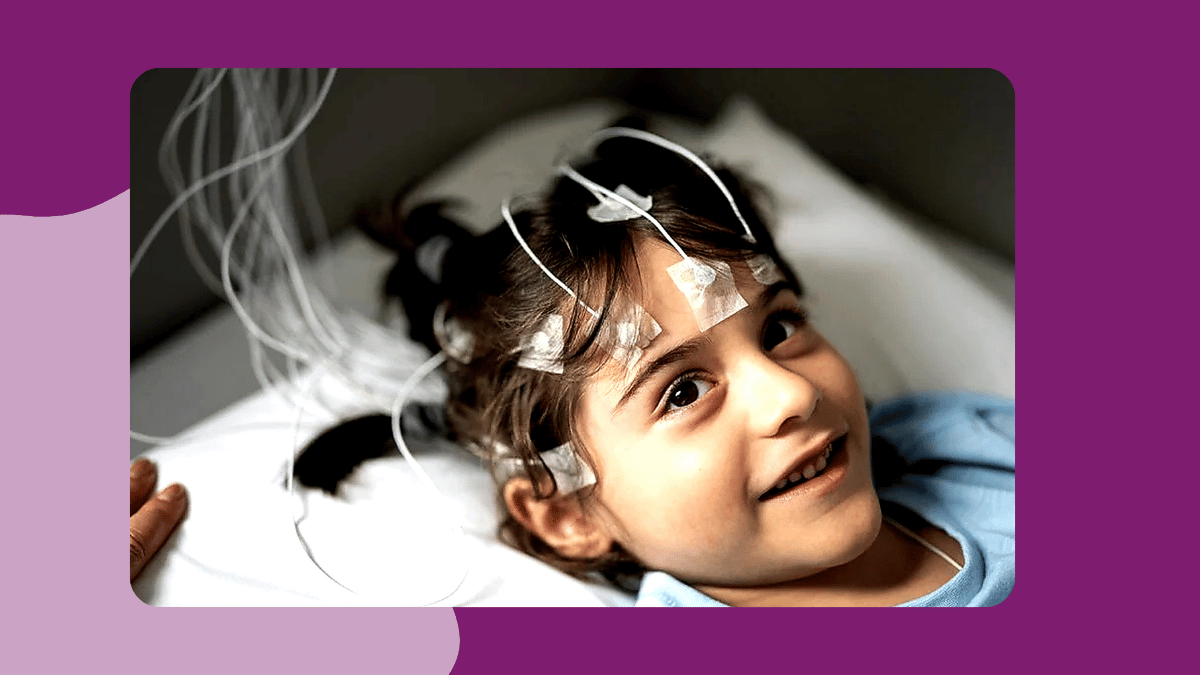
- Brain imaging
- Genetic testing
- Developmental assessments
How Are Motor Delays Treated?
Treatment depends on the underlying cause and the child’s specific difficulties.
Support may include:
- Physiotherapy
- Occupational therapy
- Speech and feeding therapy
- Nutritional supplementation
- Medications (if required)
- Orthotic support or rehabilitation programs
Many children show remarkable improvement with the right intervention started early.
The Most Important Thing for Parents to Remember
A slight delay does not automatically mean something is seriously wrong. Children grow and develop differently, and some simply take a little more time.
But when concerns are identified early, families can access the right support sooner and that can make a meaningful difference in a child’s development and quality of life.
Most importantly, children with developmental challenges can still lead joyful, meaningful, and fulfilling lives when they receive understanding, therapy, encouragement, and love.
If you ever feel that something about your child’s development seems “different,” it is always okay to ask questions and seek guidance. Early reassurance is valuable and early intervention can be life-changing.



Comments
Martha namugala
Posted on: June 22,2026 Published
My child can stand but i have noticed something one leg is too slow
Add a Comment