
India has more people living with diabetes than almost any other country in the world, and the burden is rising fastest not in metros but in cities and towns like Bengaluru, where changing diets, sedentary work patterns, and genetic predisposition have created conditions in which type 2 diabetes develops earlier and progresses more rapidly than it does in many Western populations. In 24 years of practice as a Cardio-Diabetologist at Chirayu Multispeciality Clinic, Kasturi Nagar, I have seen how much difference early diagnosis and structured management make to the long-term outcome. This guide explains what type 2 diabetes is, how it is diagnosed, what treatment involves, and what patients can realistically do to prevent the complications that cause the most harm.
What is type 2 diabetes and how is it different from type 1?
Type 2 diabetes is a metabolic condition characterised by insulin resistance and progressive insulin deficiency. In a healthy person, the pancreas releases insulin in response to rising blood glucose after eating, and insulin facilitates the entry of glucose into cells for energy. In insulin resistance, the body's cells respond less effectively to insulin, so the pancreas compensates by producing more. Over time, as the pancreas cannot keep up with the demand, blood glucose levels rise and remain elevated.
Type 1 diabetes is an autoimmune condition in which the immune system destroys the insulin-producing beta cells of the pancreas, resulting in an absolute deficiency of insulin that requires immediate and lifelong insulin replacement. Type 2 is fundamentally different: the pancreas still produces insulin, but its action is impaired, and the pancreatic capacity gradually declines over years. This distinction matters because the treatment approach, the timeline of progression, and the risk factors are entirely different.
Who is at risk of developing type 2 diabetes?
Several factors increase the risk of developing type 2 diabetes, and in the Indian context, some of these operate at a lower BMI than in Western populations, which is why standard international cut-off values do not always apply. The most significant risk factors include:
- A family history of type 2 diabetes, particularly in a first-degree relative
- Overweight or obesity, particularly central obesity where excess fat is carried around the abdomen
- Physical inactivity and a predominantly sedentary lifestyle
- A previous diagnosis of prediabetes or impaired fasting glucose
- Gestational diabetes during a previous pregnancy
- Polycystic ovary syndrome (PCOS)
- High blood pressure or abnormal cholesterol levels
- Age above 45, though in India this threshold is effectively lower given the earlier age of onset
Importantly, many people with significant diabetes risk factors feel entirely well and have no symptoms until the condition is detected on routine blood testing. This is one of the most important reasons to screen proactively rather than wait for symptoms to appear.
How is type 2 diabetes diagnosed?
Diagnosis is made through blood tests that measure glucose levels. The principal diagnostic tests are:
- Fasting plasma glucose, measured after at least eight hours without eating. A value of 126 mg/dL or above on two occasions confirms diabetes.
- HbA1c, which reflects the average blood glucose over the previous two to three months. A value of 6.5 percent or above on two occasions confirms diabetes.
- Oral glucose tolerance test (OGTT), where blood glucose is measured two hours after a standardised 75-gram glucose drink. A value of 200 mg/dL or above confirms diabetes.
The prediabetes range sits below these thresholds: fasting glucose of 100 to 125 mg/dL, HbA1c of 5.7 to 6.4 percent, or a two-hour OGTT value of 140 to 199 mg/dL. Prediabetes is a clinically important diagnosis because it carries a significant risk of progressing to type 2 diabetes diagnosis without intervention, and it is also associated with cardiovascular risk in its own right. I treat prediabetes as seriously as diabetes in my practice, because the window for preventing progression through lifestyle intervention is real and meaningful.
What are the symptoms of type 2 diabetes?
One of the most clinically important features of type 2 diabetes is that it is often asymptomatic in its early stages. Many patients are diagnosed incidentally on routine blood testing done for another reason. When symptoms do appear, they typically reflect the direct effects of elevated blood glucose: increased thirst and urination as the kidneys attempt to excrete the excess glucose, fatigue, blurred vision, slow healing of wounds, and in some patients recurrent infections. The absence of symptoms does not indicate the absence of disease or the absence of ongoing end-organ damage. This is why screening matters.
The connection between diabetes and heart health
People with type 2 diabetes have a significantly higher risk of cardiovascular disease than the general population. This is not coincidental. Chronically elevated blood glucose damages the lining of blood vessels, promotes inflammation, and accelerates the development of atherosclerosis, the process by which fatty plaques build up inside arteries. diabetes and heart disease share many of the same risk factors, including high blood pressure, abnormal cholesterol levels, central obesity, and physical inactivity, and they commonly occur together.
As a Cardio-Diabetologist, I manage diabetes and cardiovascular risk together rather than separately. A patient with type 2 diabetes who is not having their blood pressure and cholesterol actively managed is not receiving complete care for their condition. The cardiovascular risk associated with diabetes is one of the most important reasons to achieve and maintain good glycaemic control from the time of diagnosis, rather than treating only when complications become apparent.
Treatment: the hierarchy of management
Lifestyle modification as the foundation:
Lifestyle modification is not an adjunct to treatment in type 2 diabetes. It is the foundation. In patients with newly diagnosed diabetes and in all patients with prediabetes, structured changes in diet and physical activity can substantially reduce blood glucose levels, improve insulin sensitivity, and in some cases normalise blood glucose without any medication. diet for type 2 diabetes does not mean severe restriction. It means consistent attention to carbohydrate quality and quantity, appropriate portion sizes, reduced consumption of refined sugars and ultra-processed foods, and increased consumption of vegetables, whole grains, and lean protein.
The most evidence-based dietary approach for South Indian patients with type 2 diabetes involves moderating rice and refined flour consumption, increasing vegetable and fibre intake, choosing whole pulses over refined carbohydrates, limiting fruit juice in favour of whole fruit, and avoiding the habit of large single meals in favour of smaller, more frequent ones. I tailor dietary guidance to each patient's food habits rather than applying a generic template, because sustainable adherence matters more than theoretical perfection.
Physical activity
Exercise is among the most powerful interventions available for type 2 diabetes management. It improves insulin sensitivity in muscle tissue directly, reduces cardiovascular risk, supports weight management, and improves mood and energy. A target of at least 150 minutes of moderate-intensity physical activity per week, spread across most days, is the evidence-based recommendation for people with diabetes.
Walking is the most practical and sustainable form of exercise for most of my patients in Kasturi Nagar, and it is genuinely effective. The best time to walk is the time that the patient will actually walk consistently. Resistance exercise, including bodyweight exercises or light weights, adds benefit beyond aerobic activity by improving muscle mass and glucose uptake. Patients who have not exercised regularly should begin gradually and build up, particularly if they have cardiovascular complications or neuropathy.
Blood glucose monitoring
Self-monitoring of blood glucose at home allows patients to understand how specific foods, activities, stress, and illness affect their blood sugar levels. It also allows early identification of hypoglycaemia in patients on certain medications. The monitoring schedule I recommend depends on the individual's treatment regimen, their degree of control, and their ability to act on the readings. For most patients on oral medication with stable control, blood sugar monitoring two to three times per week at different times of day provides useful information without creating excessive burden.
Medications for type 2 diabetes:
When lifestyle modification alone does not achieve target blood glucose levels, medication is added. Metformin remains the first-line oral medication for type 2 diabetes in most patients. It is effective, well tolerated, has a well-established safety record spanning decades, and has benefits beyond glucose lowering including modest cardiovascular protection. When metformin is not sufficient or not tolerated, a range of additional agents are available. Newer classes of diabetes medication including SGLT2 inhibitors and GLP-1 receptor agonists have demonstrated benefits beyond glucose control, including reductions in cardiovascular events and kidney disease progression, which makes them particularly valuable in patients with established cardiovascular disease or chronic kidney disease.
Insulin therapy becomes necessary when the pancreas can no longer produce sufficient insulin to maintain control. This is not a failure of the patient or of earlier treatment. It reflects the natural progression of the condition over time, and modern insulin regimens are significantly more manageable than they were two decades ago. I discuss the likelihood of eventual insulin requirement with newly diagnosed patients from the outset, so it is not experienced as a surprise or a setback when it becomes necessary.
HbA1c: the most important number in diabetes management:
HbA1c reflects the average blood glucose over the previous two to three months and is the primary measure of long-term diabetes control. A target HbA1c below 7 percent is appropriate for most patients with type 2 diabetes, though the target is individualised based on age, duration of diabetes, presence of complications, and risk of hypoglycaemia. For older patients or those with significant cardiovascular disease, a less stringent target may be more appropriate. Regular HbA1c testing every three to six months is the standard of care for monitoring treatment response and guiding treatment adjustments.
Diabetes complications: what they are and how to prevent them
Microvascular complications:
Microvascular complications affect the small blood vessels and include diabetic nephropathy (kidney disease), diabetic retinopathy (eye disease), and diabetic neuropathy (nerve damage). These complications develop slowly and silently, often without symptoms until significant damage has occurred. diabetic neuropathy symptoms include numbness, tingling, burning, and pain typically in the feet and lower legs, though the hands can also be affected. Regular annual screening for all three microvascular complications is a standard part of diabetes follow-up, and tight glucose control significantly reduces both the risk of developing them and the rate of their progression.
Macrovascular complications
Macrovascular complications affect the larger blood vessels and include coronary artery disease, stroke, and peripheral arterial disease. These are the leading causes of death in people with type 2 diabetes, and their prevention requires attention not just to blood glucose but to blood pressure, cholesterol, and smoking cessation. The combination of good glucose control, blood pressure below 130/80 mmHg, LDL cholesterol below the target appropriate for the patient's cardiovascular risk, and antiplatelet therapy in appropriate cases constitutes comprehensive macrovascular risk management.
Diabetic foot care
The diabetic foot is one of the most serious preventable complications of diabetes and accounts for a substantial proportion of hospital admissions and amputations in India. Neuropathy reduces sensation in the feet, so small injuries go unnoticed. Peripheral arterial disease impairs blood supply, so wounds heal poorly. The combination of infection, ischaemia, and neuropathy can progress rapidly. diabetic foot care involves daily inspection of the feet, appropriate footwear, prompt attention to any wound or skin change, and regular professional review. I include a foot examination in every diabetes consultation and refer promptly when early signs of foot pathology are identified.
The role of the cardiovascular assessment in diabetes care
My training in both clinical cardiology and endocrinology from the Royal College of Physicians allows me to assess cardiovascular risk comprehensively as part of the diabetes consultation. An electrocardiogram, blood pressure assessment, lipid profile, and clinical examination for signs of peripheral arterial disease are all components of the initial and ongoing cardiac assessment in diabetes that I perform in my practice. Patients who have risk factors for or symptoms of coronary artery disease are referred for further cardiac evaluation before they develop symptoms of angina or heart failure.
Questions patients ask me most often
Can type 2 diabetes be reversed?
The term reversal is used cautiously in diabetes medicine. Significant weight loss, particularly in the early years after diagnosis, can normalise blood glucose levels and HbA1c in some patients to a point where medication is no longer needed. This is more accurately described as remission than cure, since the underlying tendency to insulin resistance remains and blood glucose can rise again if weight is regained or lifestyle deteriorates. Whether remission is achievable depends on how long the diabetes has been present, the degree of residual pancreatic function, and the degree of weight loss in diabetes achieved and sustained. It is a realistic goal for selected patients and one I actively support.
Is it safe to eat fruit if you have diabetes?
Yes, with attention to quantity and type. Whole fruit, because of its fibre content, raises blood glucose more slowly than fruit juice and is a more nutritious choice. Fruits with a lower glycaemic index, such as guava, papaya, pear, and apple, are generally better tolerated than very sweet fruits consumed in large portions. Portion size matters more than the specific fruit. I encourage patients to eat fruit as part of a balanced diet rather than avoiding it entirely.
How often should I have my diabetes reviewed?
Most patients with stable, well-controlled type 2 diabetes benefit from a review every three months. Each review includes a blood pressure check, an assessment of recent glucose readings, a medication review, and discussion of any new symptoms. HbA1c is measured every three to six months depending on stability. Annual reviews include a more comprehensive assessment covering kidney function, lipid profile, eye screening referral, foot examination, and cardiovascular risk assessment.
Does diabetes run in families?
Yes. Having a parent or sibling with type 2 diabetes substantially increases your own risk. Genetic predisposition accounts for a meaningful proportion of risk, but it does not make diabetes inevitable. Lifestyle factors, particularly weight management and physical activity, remain the most modifiable determinants of whether genetic susceptibility translates into clinical disease. Family history is one of the most important reasons to screen proactively and to begin lifestyle modifications early.
If you have been diagnosed with type 2 diabetes, have prediabetes, or have risk factors that have not yet been formally assessed, a structured evaluation is the right starting point. To book a consultation with Dr Santosh Kumar PK at Chirayu Multispeciality Clinic, Kasturi Nagar, Bengaluru, call +91 9164442266.
Written by Dr Santosh Kumar PK, MBBS (Karnataka University), Master's in Diabetes Management (Middlesex University, London), PGD Clinical Cardiology (Royal College of Physicians, UK), PGD Endocrinology and Clinical Diabetology (Royal College of Physicians, UK), Consultant Physician and Cardio-Diabetologist, Chirayu Multispeciality Clinic, Kasturi Nagar, Bengaluru.
Related reading
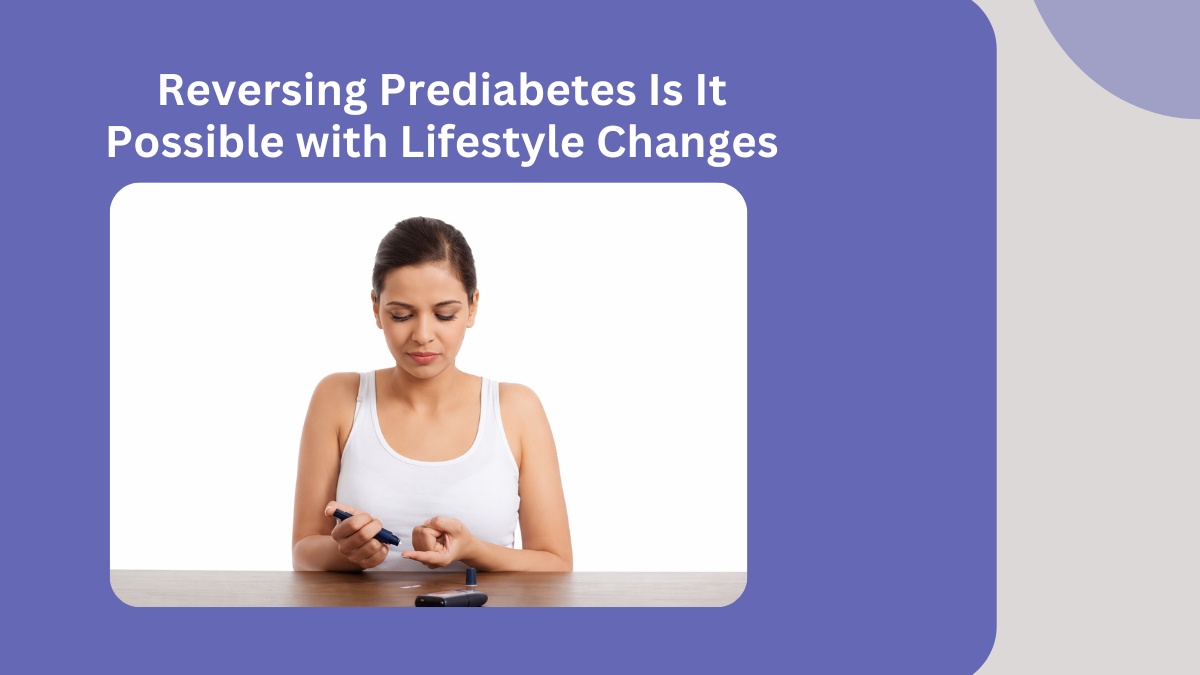
Reversing Prediabetes Is It Possible with Lifestyle Changes



Add a Comment