
Dr. Shivakumar Indi

Dr. Shivakumar Indi

Consultant Paediatrician | Paediatric Asthma & Allergy Care | Neonatal care

MBBS, MD, IAP PAAC

13+ Years of Experience

10000+ Happy Patients

13+ Years of Experience

10000+ Happy Patients

LinQ Card

About Dr. Shivakumar Indi

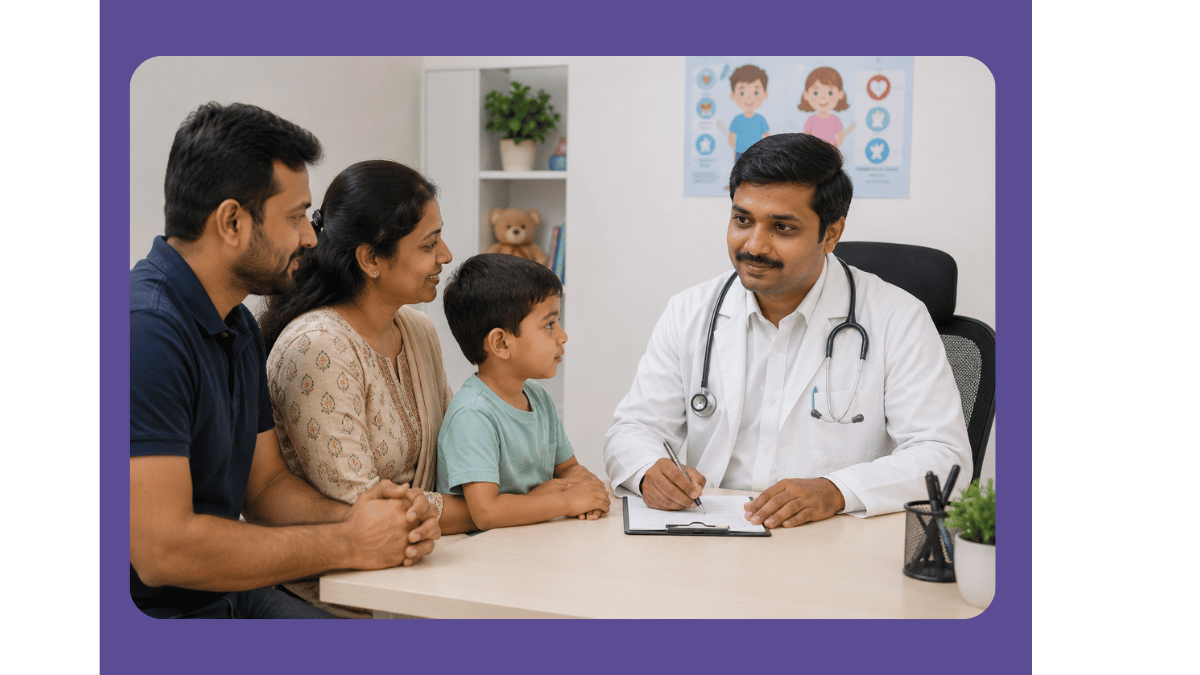
Dr. Shivakumar Indi is an experienced Paediatrician in Vijayapura, Karnataka, with over 13 years of reported experience in providing comprehensive healthcare for infants, children, and adolescents. His clinical practice encompasses the diagnosis and management of common childhood illnesses, preventive paediatric healthcare, growth and development monitoring, and respiratory concerns affecting children. With the IAP PAAC credential, his professional focus also extends to paediatric asthma and allergy-related conditions, supporting specialised evaluation of children experiencing recurrent cough, wheezing, breathing difficulties, and other allergy-associated respiratory symptoms. Dr. Shivakumar's approach focuses on understanding each child's individual health needs and developing appropriate management plans while guiding parents through treatment and ongoing care. His professional associations in Vijayapura reflect his involvement in both clinical and academic paediatrics. By combining comprehensive child healthcare with a focused interest in paediatric respiratory and allergy concerns, he aims to support healthy growth, better symptom control, and improved overall well-being throughout childhood.


Dr. Shivakumar Indi specialises in Pediatrics with a focused interest in Childhood Asthma, Allergy, and Paediatric Respiratory Care. His clinical scope includes comprehensive healthcare for infants, children, and adolescents, encompassing common childhood illnesses, recurrent infections, growth and developmental concerns, preventive healthcare, and respiratory symptoms. His additional training through the IAP PAAC credential complements his general paediatric expertise, particularly when caring for children with asthma, recurrent wheezing, persistent cough, and allergy-related respiratory problems. Since respiratory symptoms in children can have multiple contributing factors, his approach focuses on careful assessment of symptom patterns and individual clinical needs before developing an appropriate management strategy. Alongside managing acute and chronic childhood conditions, Dr. Shivakumar emphasises parental guidance and ongoing health monitoring. His combined focus on general paediatrics and paediatric asthma and allergy care aims to help children achieve better symptom control while supporting healthy growth, development, and long-term well-being.


Dr. Shivakumar Indi's Areas of expertise

  • General Pediatrics – Comprehensive diagnosis and management of common acute and chronic health conditions affecting infants, children, and adolescents.
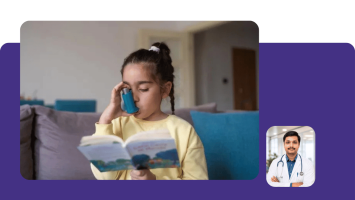
  • Childhood Asthma – Focused evaluation and individualised management of asthma to improve symptom control and support comfortable breathing.
  • Paediatric Allergy Care – Assessment and management of allergy-related concerns affecting children's respiratory health and overall well-being.
  • Pediatric Respiratory Care – Evaluation of respiratory symptoms and conditions affecting children, including recurring cough and breathing difficulties.
  • Recurrent Wheezing – Assessment of repeated wheezing episodes to identify possible contributing factors and guide appropriate management.
  • Persistent & Recurrent Cough – Evaluation of prolonged or recurring cough in children to identify potential respiratory, allergic, or other causes.
  • Common Childhood Illnesses – Diagnosis and appropriate management of frequently encountered illnesses and health concerns during childhood.
  • Growth & Development Monitoring – Regular assessment of children's physical growth and developmental progress as part of comprehensive paediatric care.
  • Preventive Child Healthcare – Proactive healthcare focused on disease prevention, routine monitoring, and supporting children's long-term health.
  • Parental Guidance & Child Health Education – Practical guidance to help parents understand their child's health needs and participate confidently in ongoing care.
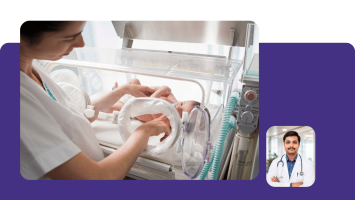
  • Neonatal Care – Comprehensive medical care for newborns, including assessment, monitoring, early identification of health concerns, and management of common neonatal conditions.
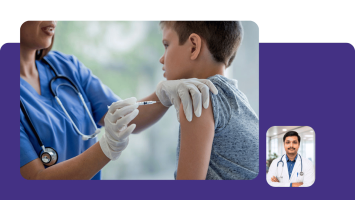
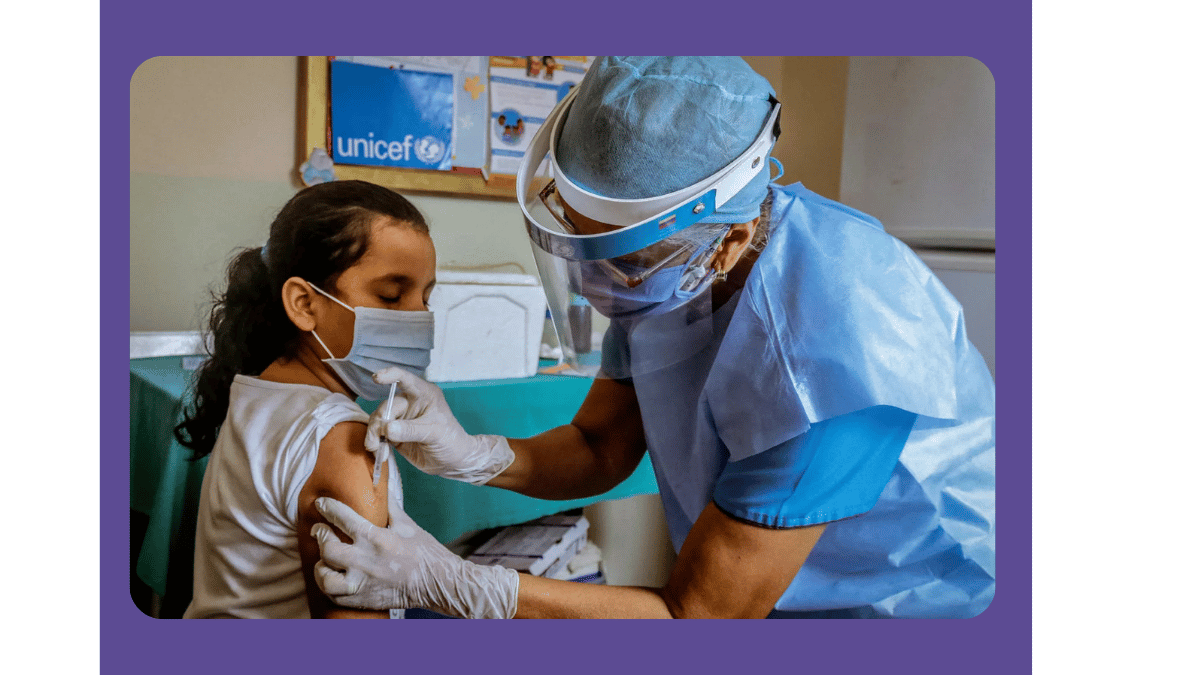
  • Vaccination & Immunisation – Comprehensive vaccination services for infants, children, adolescents, and adults, following recommended immunisation schedules to protect against vaccine-preventable diseases.
  • MBBS - VIMS Bellary
  • MD (Pediatrics) - KIMS, Hubli
  • IAP PAAC – Pediatric asthma and allergy

Conditions and Treatments

Allergy and Asthma in Children

Allergy and asthma are among the most prevalent chronic conditions in children across Karnataka, and in Vijayapura's semi-arid environment, the allergen landscape differs significantly from the coastal and urban contexts of other cities. Dust - fine, pervasive red soil dust raised by wind and agricultural activity - is a dominant year-round exposure. The cultivation of jowar, wheat, sunflower, and sugarcane in and around Vijayapura produces agricultural pollens that add a seasonal dimension to the allergen burden, and cockroach allergen is significant in urban households. Dr. Shivakumar Indi's IAP PAAC credential - the Indian Academy of Pediatrics' Paediatric Asthma and Allergy Care qualification - provides the structured clinical framework for evaluating and managing childhood allergy and asthma in the context of Vijayapura's specific allergen environment. His 13 years of paediatric practice in this region have given him direct clinical experience of the allergy and asthma patterns that are most relevant here. He evaluates children with recurrent cough, recurrent wheeze, persistent nasal symptoms, eczema, and suspected food allergy through a detailed history that identifies trigger patterns, allergen exposures, and the degree of symptom impact on the child's quality of life, school attendance, and sleep. Management is stepped and individualised - inhaler therapy with correct spacer technique reviewed at every asthma consultation, allergen avoidance guidance specific to the Vijayapura home and outdoor environment, and appropriate pharmacotherapy for rhinitis and eczema.

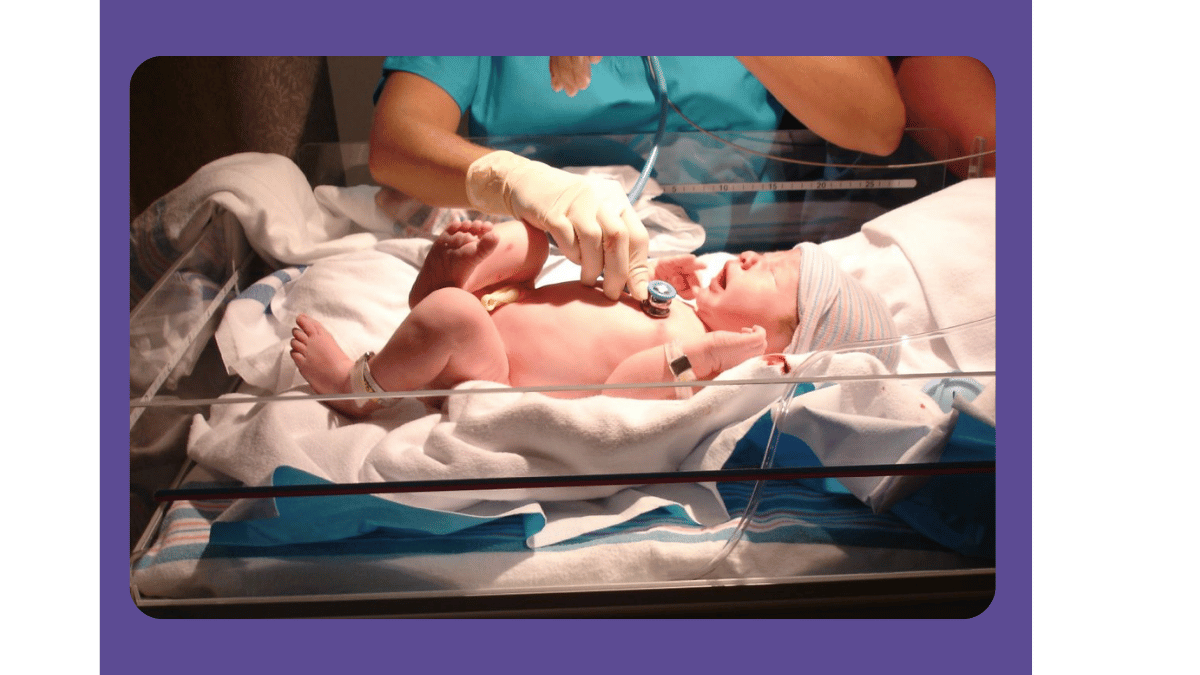
Neonatology and Newborn Care

The neonatal period - the first 28 days of life - is the most clinically consequential window in child health. Every newborn undergoes a complex physiological transition after birth, and the conditions that arise in this window - respiratory adaptation, feeding establishment, jaundice, infection, and the identification of congenital findings - require a paediatrician with specific neonatal clinical competency and the experience that comes from thirteen years of practice in a district setting where the paediatrician is often the first and most accessible specialist a newborn family encounters. Dr. Shivakumar Indi provides comprehensive newborn assessment and neonatal care in Vijayapura, drawing on 13 years of paediatric practice that has included the management of newborns across the range of clinical presentations seen in a Karnataka district setting. Every newborn receives a structured clinical assessment covering breathing, tone, colour, feeding readiness, jaundice, and the identification of structural or clinical findings that require further investigation or referral. Neonatal jaundice in Vijayapura's hot climate requires careful monitoring - higher ambient temperatures and the associated risk of dehydration in the first days can accelerate bilirubin rise, and the phototherapy threshold based on gestational age and postnatal age in hours guides intervention. Breastfeeding support - including latch assessment, guidance on feeding frequency, and advice for mothers from agricultural community families who may return to work early - is a routine and important part of every neonatal consultation. When a newborn's clinical picture indicates a level of care beyond what is available locally, prompt escalation and referral to a higher-level neonatal unit is arranged without delay.

Childhood Vaccination and Immunisation

Vaccination is the single most cost-effective public health intervention in childhood, and in Vijayapura, as across Karnataka, the landscape of childhood immunisation encompasses both the government National Immunisation Schedule - which provides essential vaccines free of charge - and the broader IAP-recommended schedule that adds vaccines protecting against conditions including pneumococcal disease, rotavirus, varicella, and influenza. Completing both schedules gives a child the most comprehensive protection available. Dr. Shivakumar Indi provides childhood vaccination as a core component of his preventive paediatric practice in Vijayapura, following the Indian Academy of Pediatrics recommended immunisation schedule and educating parents on the purpose, timing, and expected response of each vaccine at every vaccination visit. His IAP membership and IAP PAAC credential keep him engaged with the most current IAP guidance on vaccination, including updated recommendations for high-risk children - those with asthma, recurrent wheeze, or other chronic conditions who may particularly benefit from additional vaccines such as influenza and pneumococcal, and for whom the timing of certain live vaccines requires consideration. Children who present with delayed or incomplete vaccination receive structured catch-up planning that brings their immunisation up to date safely and efficiently. Parent vaccine hesitancy is addressed through evidence-based explanation and conversation rather than dismissal, because a parent who understands the clinical rationale for each vaccine is the most consistent partner in completing the recommended schedule and protecting their child.

Dr. Shivakumar Indi's Expert Tips & Health Insights

Latest

Articles by Dr. Shivakumar Indi

https://d2vvc091k8tmib.cloudfront.net/s3fs-public/2026-09/Vaccination%20in%20Vijayapura.png
https://d2vvc091k8tmib.cloudfront.net/s3fs-public/2026-09/Dr.%20Shivakumar%20Indi%20%282%29.png
By: Dr. Shivakumar Indi
07 September 2026

Vaccination in Vijayapura: Why the IAP Schedule and the Government Schedule Are Both Part of Comprehensive Child Protection

A Consultant Paediatrician with MD Pediatrics, IAP PAAC, and 13 years in Vijayapura explains vaccination and immunisation for children in Karnataka: what the IAP recommended schedule provides beyond the government National Immunisation Schedule, which vaccines are most specifically relevant for Vijayapura's disease burden including typhoid, hepatitis A, and varicella, what the high-risk child vaccination approach involves for children with asthma and recurrent respiratory conditions, and how vaccine hesitancy is addressed in Vijayapura's families through evidence-based conversation rather than dismissal.
Read More
https://d2vvc091k8tmib.cloudfront.net/s3fs-public/2026-09/Neonatology%20in%20Vijayapura.png
https://d2vvc091k8tmib.cloudfront.net/s3fs-public/2026-09/Dr.%20Shivakumar%20Indi%20%282%29.png
By: Dr. Shivakumar Indi
07 September 2026

Neonatology in Vijayapura: What the First 28 Days Require and Why Vijayapura's Climate Adds a Specific Dimension

A Consultant Paediatrician with MD Pediatrics from KIMS Hubli and 13 years of practice in Vijayapura, Karnataka, explains neonatal and newborn care: what the first 28 days require from a clinical and family perspective, why Vijayapura's hot climate creates a specific dehydration-jaundice risk that parents and families need to understand, the feeding challenges specific to agricultural community families in this district, and what the newborn warning signs are that require urgent paediatric assessment rather than watchful waiting at Mano-Jyothi Clinic, Vijayapura.
Read More
https://d2vvc091k8tmib.cloudfront.net/s3fs-public/2026-08/Meet%20Dr.%20Shivakumar%20Indi%2013%2B%20Years%20of%20Trusted%20Paediatric%20Care%20in%20the%20Heart%20of%20Vijayapura.png
https://d2vvc091k8tmib.cloudfront.net/s3fs-public/2026-09/Dr.%20Shivakumar%20Indi%20%282%29.png
By: Dr. Shivakumar Indi
10 August 2026

Meet Dr. Shivakumar Indi: 13+ Years of Trusted Paediatric Care in the Heart of Vijayapura

Dr. Shivakumar Indi - MBBS, IAP PAAC, Consultant Paediatrician, 13+ years and 10,000 patients, dedicated to comprehensive child healthcare including allergy, asthma, neonatology, and vaccination in Vijayapura, Karnataka.
Read More

Dr. Shivakumar Indi's Patient Testimonial Reviews

Leave a Review

Patient Reviews

Dr. Shivakumar Indi

Leave a Review

Frequently Asked Questions

Frequently Asked Questions

View all

My newborn looks yellow after two days - is this serious and what should I do?

Yellow skin appearing in a newborn on the second or third day of life is almost always physiological jaundice  -  the normal process by which a newborn's body breaks down the extra red blood cells it no longer needs after birth, releasing bilirubin that the liver is still learning to process efficiently. This is expected and normal, and most term babies develop some visible yellowing between day 2 and day 5 that then fades by day 10 to 14. The yellow appearance alone is not the concern  -  what matters is how high the bilirubin level is, how quickly it is rising, and how old the baby is in hours at any given level. In Vijayapura's hot climate, there is an additional consideration: dehydration in the first days, particularly in exclusively breastfed babies whose milk is not yet fully established, can accelerate bilirubin rise. Feeding frequently  -  at least 8 to 10 times in 24 hours  -  is one of the most important things parents can do in the first days, both to support milk supply and to drive bilirubin clearance through bowel movements. Visit a paediatrician promptly if: the yellow colour appears within the first 24 hours of birth (always abnormal), is spreading to the palms and soles, the baby is very sleepy and difficult to wake for feeds, or the yellow colour is still present and deepening after two weeks. Early review when jaundice appears changes outcomes, particularly in Vijayapura's heat where dehydration risk is real.

Written by Dr. Shivakumar Indi, MBBS, IAP PAAC (Indian Academy of Pediatrics  -  Paediatric Asthma and Allergy Care), Consultant Paediatrician, Vijayapura, Karnataka. 13+ years, 10,000+ patients. Phone: +91 7795597484.

Which additional vaccines should my child with asthma receive beyond the government schedule?

Children with asthma have specific additional vaccination needs beyond the standard government schedule, and as a paediatrician with the IAP PAAC credential, I discuss these at every relevant vaccination visit. The two vaccines most specifically relevant for asthmatic children are influenza vaccine and pneumococcal vaccine. Influenza  -  the flu  -  is a powerful asthma trigger. A child with asthma who contracts influenza is significantly more likely to have a severe acute asthma attack requiring emergency care than a child without asthma. Annual influenza vaccination, given each year before the influenza season, substantially reduces the risk of influenza-triggered asthma exacerbations. The IAP recommends annual influenza vaccination for all children with chronic respiratory conditions including asthma, and in Vijayapura, where respiratory infections circulate through school-age children regularly, this recommendation is directly relevant. Pneumococcal vaccine  -  PCV  -  protects against Streptococcus pneumoniae, which causes pneumonia, bacterial meningitis, and ear infections. Pneumonia is a particularly serious event in a child with asthma because it produces severe lower respiratory inflammation that can take weeks to resolve and may produce a prolonged deterioration in asthma control. PCV is on the IAP-recommended schedule for all children, but its relevance for asthmatic children is especially high. I also discuss varicella vaccine for unvaccinated children with asthma, since chickenpox can trigger severe asthma flares and the vaccine eliminates this risk.

Written by Dr. Shivakumar Indi, MBBS, IAP PAAC (Indian Academy of Pediatrics  -  Paediatric Asthma and Allergy Care), Consultant Paediatrician, Vijayapura, Karnataka. 13+ years, 10,000+ patients. Phone: +91 7795597484.

What is IAP PAAC and how does it improve the allergy and asthma care my child receives?

IAP PAAC stands for Paediatric Asthma and Allergy Care, a specialist qualification from the Indian Academy of Pediatrics  -  the national professional body for paediatricians in India. The PAAC qualification provides structured training in the evaluation and management of childhood asthma, allergic rhinitis, food allergy, eczema, and other paediatric allergic conditions at a standard endorsed and recognised by the IAP. What it adds to general paediatric training is a specific clinical framework for allergy evaluation  -  the systematic approach to identifying which allergens are driving a child's symptoms, the evidence-based treatment pathways for each allergic condition, and the ability to develop a management plan that addresses the underlying disease rather than only treating each symptomatic episode. In practical terms, when a child with recurrent cough and wheeze comes to my clinic, the PAAC training guides my evaluation from the history  -  the pattern of symptoms, triggers, family allergy history, response to bronchodilators  -  through to the treatment decision. A child correctly identified as having allergic asthma rather than recurrent chest infection receives treatment that actually changes their disease course, rather than another antibiotic course. The IAP PAAC credential represents a commitment to the highest national standard of paediatric allergy and asthma care.

Written by Dr. Shivakumar Indi, MBBS, IAP PAAC (Indian Academy of Pediatrics  -  Paediatric Asthma and Allergy Care), Consultant Paediatrician, Vijayapura, Karnataka. 13+ years, 10,000+ patients. Phone: +91 7795597484.

What makes Vijayapura's environment particularly difficult for children with asthma?

Vijayapura presents a specific combination of environmental factors that makes asthma management in children here more challenging than in many other parts of Karnataka. The semi-arid climate  -  with hot dry summers, red laterite soil that produces fine dust when disturbed, and seasonal agricultural activity  -  means that airborne particulate exposure is substantial and year-round. The district's extensive cultivation of jowar, wheat, sunflower, and sugarcane introduces agricultural pollens during harvest and flowering seasons that can sensitise children and trigger respiratory symptoms. These are not allergens that feature prominently in the allergen profiles studied in major Indian cities, which means that the local clinical experience of treating children in Vijayapura is what makes a paediatrician here particularly well-positioned to identify and manage these regional exposures. Cockroach allergen exposure in Vijayapura's older urban housing is a perennial indoor trigger whose significance is well-established in the allergy literature and which I see frequently driving poorly controlled asthma in children whose families have never been told about cockroach sensitisation. House dust mite is also present in Vijayapura, though at lower levels than in humid coastal cities. For any child with asthma or recurrent wheeze in Vijayapura, understanding the local trigger pattern is the foundation of effective management 

Written by Dr. Shivakumar Indi, MBBS, IAP PAAC (Indian Academy of Pediatrics  -  Paediatric Asthma and Allergy Care), Consultant Paediatrician, Vijayapura, Karnataka. 13+ years, 10,000+ patients. Phone: +91 7795597484.

Link copied to clipboard!

Reach Dr. Shivakumar Indi

Manojyothi Clinic, Vijayapura

GANAPATI CHOWK, T L building KORI CHOWK, KORI CHOWK, Atal bihari vajpayee road, GANAPATI CHOWK, Vijayapura, Karnataka 586101

Soukhyada Hospital, Vijayapura

Bus Stand-Meenakshi Chowk Rd, beside Dr. Mulimani Clinic, Shahu Nagar, Vijayapura, Karnataka 586101