
Lung cancer is one of the most common cancers worldwide, but early detection significantly improves treatment outcomes. Many people ignore early symptoms because they may appear mild or resemble common respiratory problems. Understanding the warning signs and seeking timely medical consultation can make a major difference in successful treatment.
Early symptoms of lung cancer can include a persistent cough, chest pain, shortness of breath, unexplained weight loss, fatigue, and coughing up blood. Some patients may also experience frequent lung infections such as bronchitis or pneumonia that do not resolve easily. While these symptoms may not always indicate cancer, persistent or worsening symptoms should never be ignored.
In my clinical experience, many patients come for consultation only after symptoms become severe. However, early screening and evaluation can detect lung cancer at a stage when treatment options are more effective. Risk factors such as smoking, exposure to air pollution, occupational chemicals, and family history of cancer increase the likelihood of developing lung cancer and should prompt earlier medical evaluation.
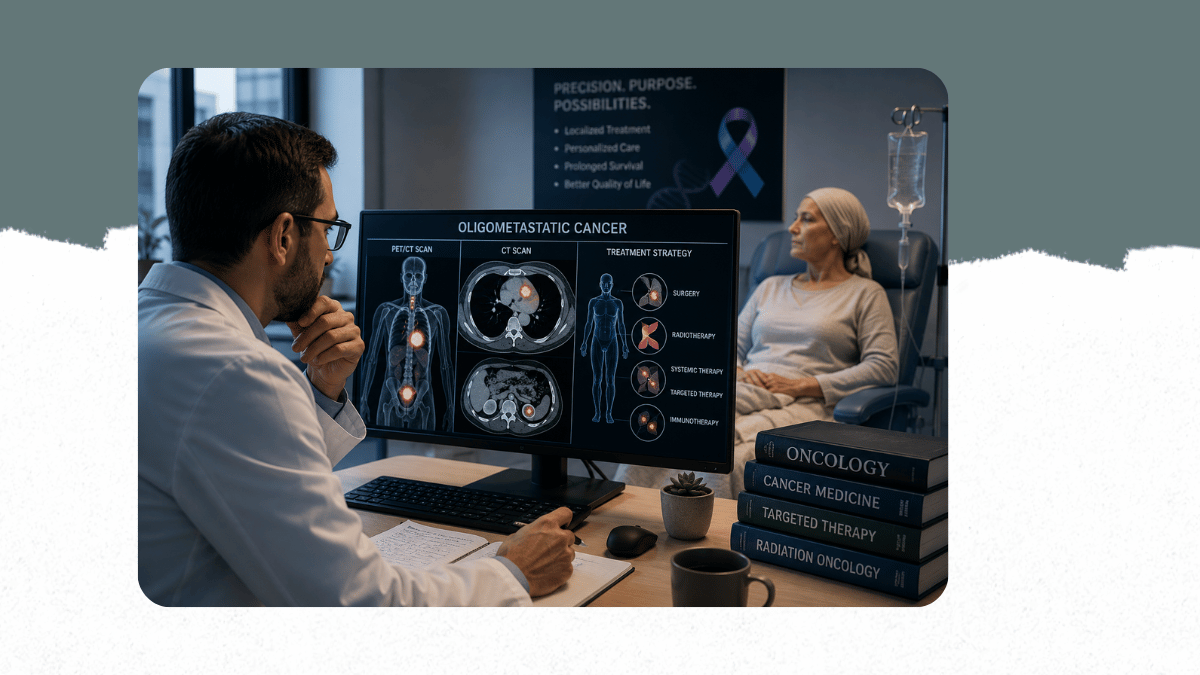
Modern diagnostic methods such as CT scans, PET scans, molecular testing, and biopsy procedures help identify lung cancer accurately and guide personalized treatment. Depending on the stage and type of cancer, treatment options may include surgery, chemotherapy, targeted therapy, immunotherapy, or radiation therapy. Advances in oncology have significantly improved survival rates and quality of life for patients diagnosed early.
Another important aspect of lung cancer care is regular screening for high-risk individuals, particularly long-term smokers above the age of 50. Low-dose CT scans are increasingly recommended for early detection in high-risk groups.
Early consultation with an oncologist ensures that patients receive timely diagnosis, accurate staging, and a personalized treatment plan. Delaying medical evaluation may allow the disease to progress, making treatment more complex.
Conclusion:
Recognizing the early symptoms of lung cancer and seeking prompt medical attention can greatly improve treatment success. If symptoms such as persistent cough, chest discomfort, or unexplained weight loss persist, consulting an oncologist early can help ensure timely diagnosis and effective care.


Add a Comment