
Precision oncology is rapidly transforming the field of cancer treatment by allowing doctors to design therapies tailored to the unique genetic profile of each patient’s tumor. Unlike traditional treatment approaches that apply similar therapies to many patients, precision oncology focuses on individualized care.
Cancer develops due to genetic mutations that cause abnormal cell growth. With modern genomic testing techniques, doctors can now identify these mutations and understand how they influence tumor behavior. This information helps determine the most effective treatment strategy for each patient.
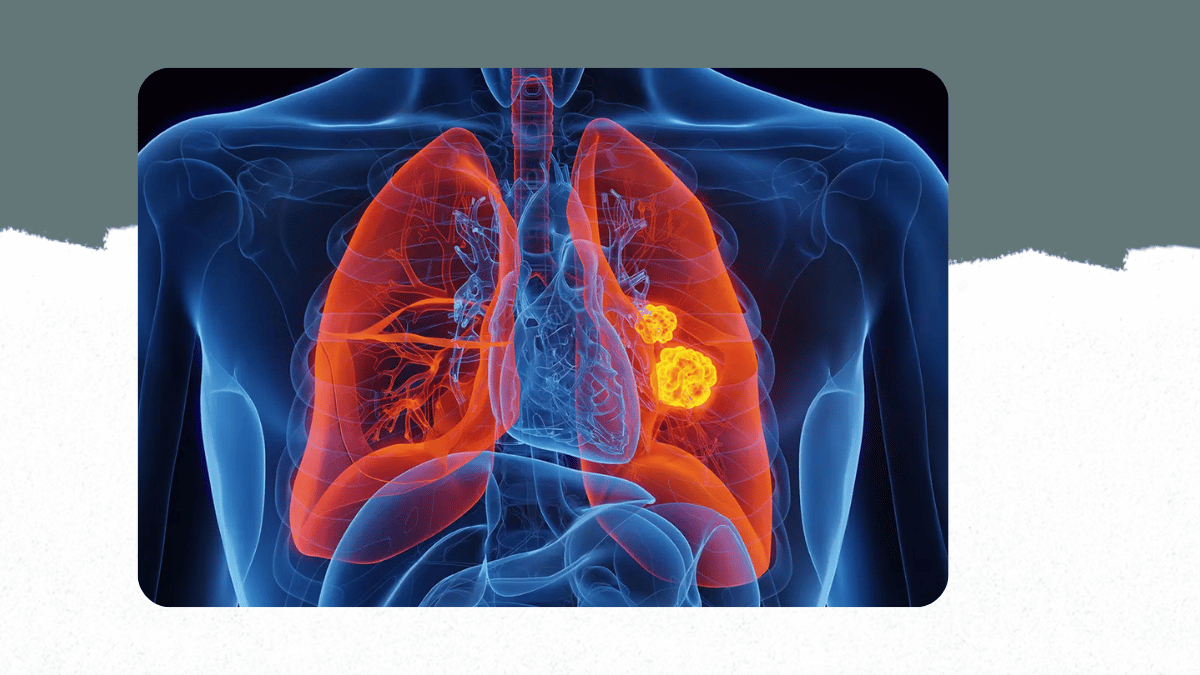
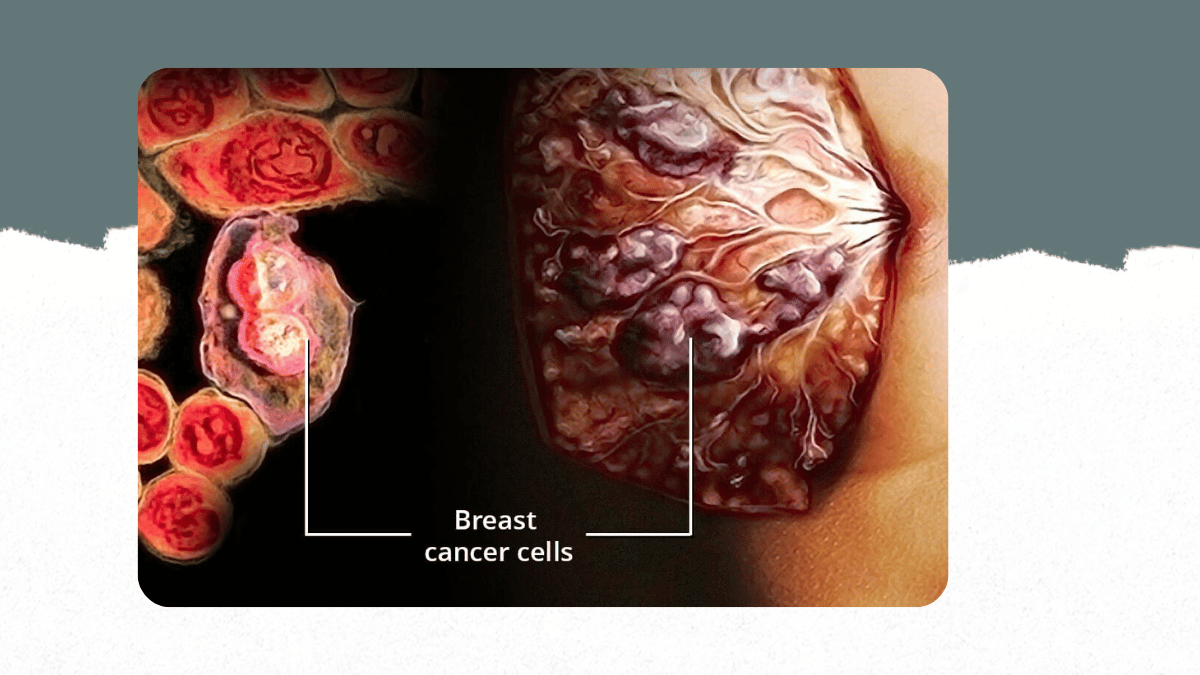
Precision oncology often involves molecular profiling, genomic sequencing, and biomarker testing. These tests analyze the DNA of cancer cells to identify specific genetic alterations that may respond to targeted therapies. In many cancers, such as lung cancer, breast cancer, and colorectal cancer, these tests have become an important part of treatment planning.
In my experience, precision medicine has significantly improved treatment outcomes for many patients. By selecting therapies based on tumor genetics, we can avoid ineffective treatments and focus on therapies that are more likely to work.
Another advantage of personalized treatment is the ability to minimize unnecessary side effects. Since targeted therapies focus on specific cancer pathways, they often spare many healthy cells compared to conventional chemotherapy.
Precision oncology also plays an important role in advanced and metastatic cancers, where traditional treatment options may be limited. Molecular profiling can sometimes identify new therapeutic targets, opening the possibility for innovative treatments or participation in clinical trials.
Despite these advances, personalized cancer care requires careful evaluation by oncology specialists. Treatment decisions must consider the patient’s overall health, cancer stage, and molecular characteristics of the tumor.
Conclusion:
Precision oncology represents the future of cancer treatment. By tailoring therapies to the genetic characteristics of each patient’s tumor, doctors can provide more effective, targeted, and personalized care, ultimately improving treatment outcomes and patient quality of life.


Add a Comment