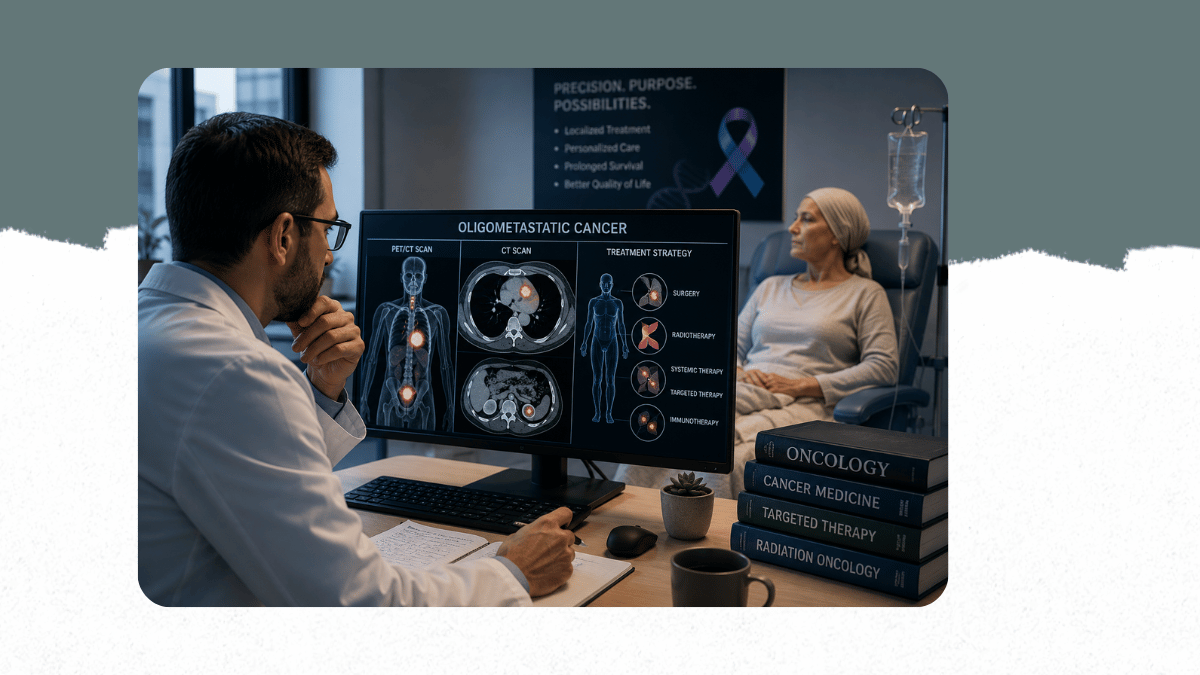
As a medical oncologist, I have the profound privilege, and the heavy responsibility, of guiding patients through some of the most difficult conversations of their lives. For decades, one word has carried more weight and fear in my clinic than any other: metastatic cancer.
Historically, when cancer spread from its original location to distant organs, becoming metastatic, or Stage IV, the goals of treatment fundamentally shifted. The medical community viewed this spread as a sign that the cancer was systemic. The objective transitioned from cure to control. We aimed to extend life, manage symptoms, and provide as much quality time as possible.
But medicine is not static. Over the last decade, a quiet but significant shift has been occurring in oncology. We are recognising that metastatic cancer is not always a definitive, system-wide process. Sometimes, it is a few limited, contained areas of spread.
We call this middle ground oligometastatic cancer, and it is changing how we view and treat selected cases of Stage IV disease.
The Old Binary: A Tale of Two Cancers
To understand why oligometastatic cancer is a significant concept, it helps to look at how doctors have traditionally viewed cancer spread. For a long time, we operated on a broadly binary system.
Localized Cancer (Stages I-III): the cancer is confined to its starting point or the nearby lymph nodes. The strategy is curative intent. We use local therapies like surgery to remove it or radiation to treat it, often followed by a course of chemotherapy to address any microscopic cells left behind.
Widespread Metastatic Cancer (Stage IV): the cancer has entered the bloodstream or lymphatic system and reached distant organs, such as the liver, lungs, or bones. The strategy is palliative or life-prolonging intent. Because the cancer is presumed to be present microscopically throughout the body, local treatments like surgery cannot address all of it. We rely on systemic cancer treatment, medications that travel throughout the whole body, such as chemotherapy, targeted therapy, or hormone therapy, to control it.
Think of it like a dandelion in a garden. A localized cancer is the yellow flower. You can dig it up by the root, which is surgery, and be done with it. Widespread metastatic cancer is what happens after the dandelion turns to seed and a strong gust of wind scatters them across the lawn. You cannot dig up the whole lawn, so a systemic approach, similar to a weed treatment, is used instead.
But what if the wind was very weak. What if only a few seeds blew off, and they landed close together in one specific area.
That is oligometastatic cancer.
Enter the Enigma: What is Oligometastatic Cancer?
The prefix oligo comes from Greek, meaning few or limited. Oligometastatic disease refers to a state where the cancer has spread beyond its original site, but only to a limited number of locations. While the exact definition varies slightly among clinical trials, most oncologists define it as having one to five metastatic spots in the body.
The concept was first proposed in 1995 by radiation oncologists Drs. Samuel Hellman and Ralph Weichselbaum. They theorised that cancer spread is not an all-or-nothing event, but exists on a spectrum. Some cancers have biological traits that make them aggressive and highly mobile, spreading rapidly throughout the body. Others are less aggressive, sometimes escaping their organ of origin but lacking the biological capacity to establish themselves in many new locations, resulting in only a few isolated areas of spread.
For a long time, this remained a theoretical model. We did not have the tools to confirm it, nor the technology to safely treat those isolated spots without significant side effects. Today, we have both.
Why Are We Hearing About It Now?
If oligometastatic cancer has always existed, the renewed attention comes from two significant advances in oncology: how we detect cancer, and how we target it. Modern imaging has changed early detection considerably. Twenty years ago, a standard CT scan might show a patient's liver appeared clear, suggesting the cancer was localized. Today, highly sensitive PET scan imaging is available.
Modern PET scans, including PSMA PET for prostate cancer or DOTATATE PET for neuroendocrine tumours, identify the specific metabolic activity of cancer cells rather than simply the shape of an organ. Because of this, we are now finding small, isolated spots of cancer that were not visible to older technology. This does not necessarily mean more cancer is present today. It often means we are detecting it earlier and more clearly.
If we find a few small areas of cancer in a patient's lung, liver, and spine, traditional open surgery on each location would be invasive, requiring long recovery and carrying meaningful risk. This is where SABR radiotherapy, Stereotactic Ablative Body Radiotherapy, also known as SBRT, plays a role.
SABR is an advanced form of radiation therapy. Rather than delivering low doses over many weeks, SABR delivers a high, ablative dose of radiation to a tumour across one to five sessions. It uses sub-millimetre precision, mapping the tumour in three dimensions and adjusting for the patient's breathing in real time, targeting cancer cells while limiting exposure to nearby healthy tissue.
SABR allows tumours to be treated with a high degree of precision, without an incision.
The Modern Approach: A Two-Pronged Strategy
When a patient presents with an oligometastatic diagnosis, the traditional binary approach no longer applies in the same way. Rather than relying solely on systemic therapy or solely on local therapy, a coordinated combination of both is often used. We call this metastasis-directed therapy (MDT).
The first step is systemic control. Even when only a few spots of cancer are visible on a highly sensitive PET scan, cancer can exist at a microscopic level elsewhere. We assume there may be undetectable, circulating cancer cells, and use systemic therapies such as modern immunotherapies, which help the body's own immune system identify and respond to cancer, or targeted oral drugs that act on the specific mutated genes driving the tumour.
The second step is local treatment of visible disease. While systemic therapy addresses microscopic spread, local treatment such as minimally invasive surgery or SABR is used to treat the visible areas of cancer directly.
What Does the Evidence Show?
The available data on this approach is meaningful and has influenced how oligometastatic disease is treated.
In a clinical trial known as the SABR-COMET trial, researchers studied patients with various types of oligometastatic cancer. Half the patients received standard palliative systemic treatment. The other half received standard treatment plus SABR directed at every visible metastatic spot.
The trial showed a meaningful difference in outcomes. Patients who received SABR in addition to systemic treatment had significantly longer survival in this study population. At the five year mark, a notably higher proportion of patients in the SABR group were alive compared to the standard treatment group, and a number of these patients had no detectable evidence of cancer at that point.
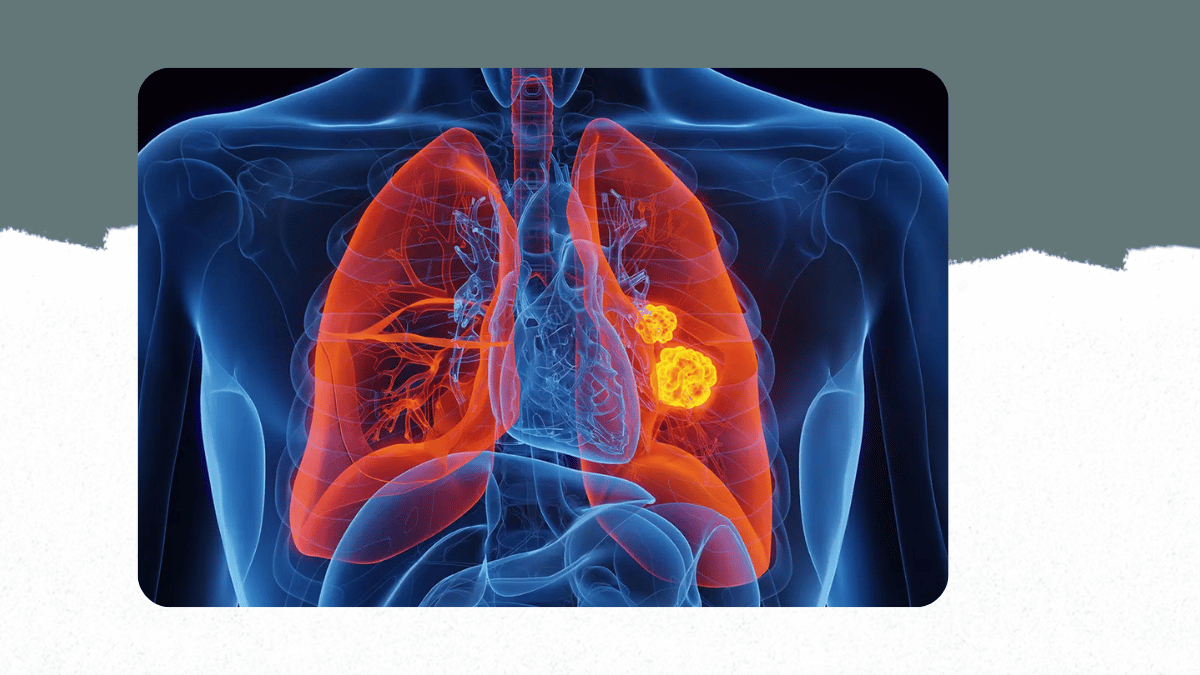
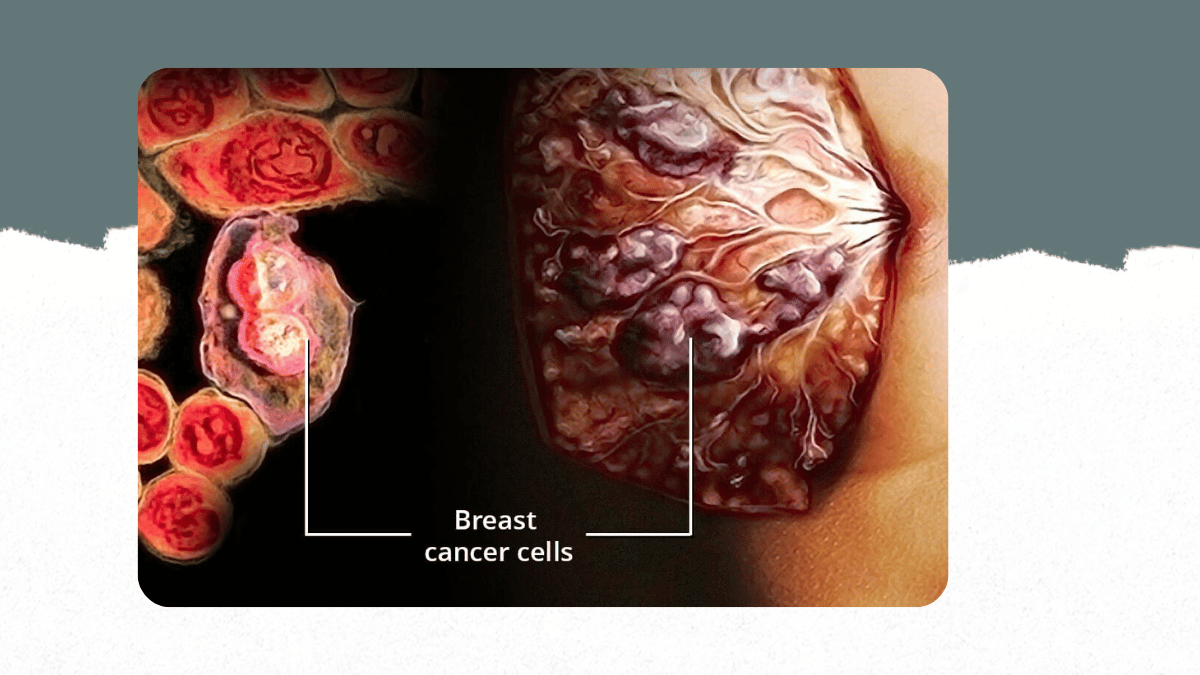
Similar patterns are being observed across specific tumour types. In prostate cancer treatment, SABR is being used to treat isolated bone or lymph node metastases, which can delay the need for hormone therapies and their associated side effects. In lung cancer, patients with Stage IV non-small cell lung cancer that has spread to a limited number of sites, such as the brain or adrenal gland, are achieving extended periods of remission when those sites are treated directly alongside immunotherapy. In breast cancer, patients with limited bone metastases are achieving long-term disease control and a good quality of life through a combination of targeted drugs and focal radiation.
Can Oligometastatic Cancer Be Cured?
As oncologists, we are trained to be cautious with language, particularly around the word cure for Stage IV cancer, which has historically been avoided when discussing metastatic disease.
Whether that language is appropriate for oligometastatic cancer depends on how cure is defined. If cure means an absolute guarantee that cancer will never return, that guarantee cannot be made for this or any cancer diagnosis. However, a meaningful proportion of patients treated for oligometastatic disease experience long-term disease control, a return to normal daily life, and survival extending many years beyond what was historically expected for Stage IV disease. This pattern is sometimes referred to as a functional outcome rather than a guaranteed cure, and it represents a genuinely different trajectory for selected patients compared to traditional Stage IV management.
Even for patients where the cancer eventually progresses again, the oligometastatic approach can provide additional time. As cancer research and treatment options continue to advance, additional years gained through this approach can mean access to newer therapies that may not have been available otherwise.
Who Is a Suitable Candidate for This Approach?
It is important to manage expectations. Not every patient with Stage IV cancer is a candidate for this approach. If a cancer is widely spread, involving many locations rapidly, treating each visible spot with radiation is unlikely to change the overall course of the disease and may expose the patient to unnecessary side effects. In these more widespread cases, modern immunotherapy and chemotherapy remain the primary treatment approach, and these too have improved outcomes considerably compared to a decade ago.
To determine whether a patient genuinely has oligometastatic disease, several factors are assessed.
- The number of visible spots, generally five or fewer
- The pace at which they appeared. A single new spot appearing years after treatment for a localized cancer suggests a less aggressive underlying biology than rapid, simultaneous spread
- The response to systemic therapy. Whether the cancer shrinks or stabilises with systemic treatment helps confirm systemic control, which influences whether it is appropriate to treat the visible spots with radiation or surgery
A Message for Patients and Families
When you or a loved one hears the words Stage IV cancer diagnosis in a clinic room, it understandably brings significant fear and uncertainty.
What I want patients to know is that the field has changed considerably. We are sequencing the genetic profile of tumours. We are using molecular imaging to identify small areas of disease. We are delivering radiation with a high degree of precision to specific targets.
Oligometastatic cancer was once a poorly understood pattern of disease that we could not adequately explain or treat. Today, it is a recognised, treatable, and in selected cases, durably controllable condition.
The broader shift in oncology is a move away from treating cancer purely based on its stage, toward treating it based on its underlying biology. This shift is changing what is possible for some patients with Stage IV disease, supported by ongoing data rather than guaranteed outcomes for any individual patient.
If you or a loved one has been diagnosed with metastatic cancer and would like to understand whether an oligometastatic approach may be relevant to your specific case, Dr Swaroop Revannasiddaiah, Senior Consultant, Medical Oncology, NiSH Clinic, Jayanagar, Bengaluru, is available to discuss your situation in detail.
Call +91 8073479938 or visit linqmd.com/doctor/swaroop-r to book a consultation.
Written by Dr Swaroop Revannasiddaiah, MBBS, MD (Radiotherapy and Clinical Oncology), DM (Medical Oncology), MRCP (Medical Oncology), Senior Consultant, Medical Oncology, NiSH Clinic, Jayanagar, Bengaluru.
Related reading
linqmd.com/doctor/swaroop-r/blog/precision-oncology-cancer-treatment-nish-hospital-bangalore
linqmd.com/doctor/swaroop-r/blog/chemotherapy-immunotherapy-targeted-therapy-bangalore
linqmd.com/doctor/swaroop-r/blog/early-signs-of-lung-cancer-nish-hospital-jayanagar-bangalore


Add a Comment