
Cancer treatment has evolved significantly over the past decade with the introduction of targeted therapy and immunotherapy. These advanced treatments are transforming the way many cancers are managed by offering more precise and personalized treatment options.
Traditional chemotherapy works by destroying rapidly dividing cells, including cancer cells. However, it may also affect healthy cells, which can lead to side effects. Targeted therapy and immunotherapy, on the other hand, focus on specific molecular pathways or immune mechanisms involved in cancer growth.
Targeted therapy works by identifying genetic mutations or molecular markers present in cancer cells. Drugs are then designed to block these abnormal signals that allow cancer cells to grow and spread. In cancers such as lung cancer, breast cancer, and colorectal cancer, targeted therapies have shown remarkable effectiveness when specific mutations are detected.
In my practice, molecular testing has become an essential step before initiating treatment for several cancers. By identifying genetic changes in tumors, we can select therapies that are more effective and often better tolerated than traditional treatments.
Immunotherapy is another major advancement in oncology. Instead of directly attacking cancer cells, immunotherapy works by stimulating the patient’s immune system to recognize and destroy cancer cells. Drugs such as immune checkpoint inhibitors have shown excellent results in cancers like melanoma, lung cancer, and certain head and neck cancers.
One of the major advantages of these modern treatments is that they can offer longer disease control and improved quality of life for many patients. However, these therapies must be carefully selected based on tumor biology, patient health status, and disease stage.
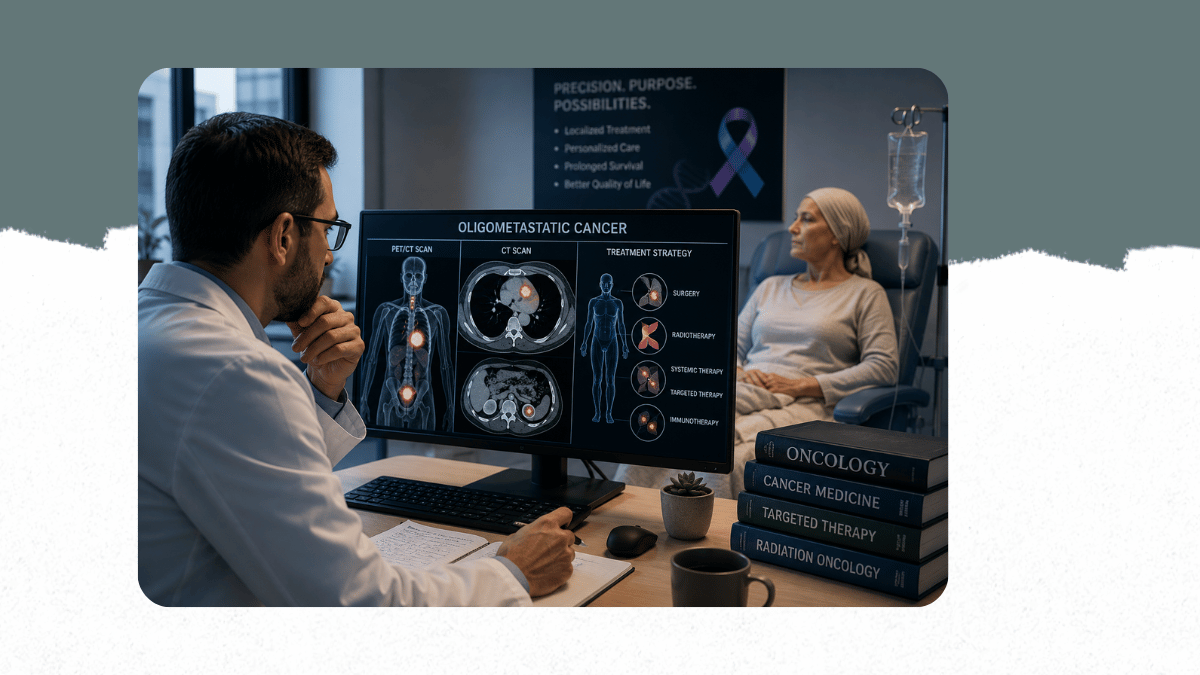
Despite these advances, cancer treatment still requires a multidisciplinary approach, combining surgery, radiation therapy, systemic therapy, and supportive care when needed. Each patient’s treatment plan should be individualized to achieve the best outcomes.
Conclusion:
Targeted therapy and immunotherapy represent significant breakthroughs in cancer treatment. By focusing on specific biological mechanisms of cancer, these therapies offer more personalized and effective treatment options, bringing new hope to many patients.



Add a Comment