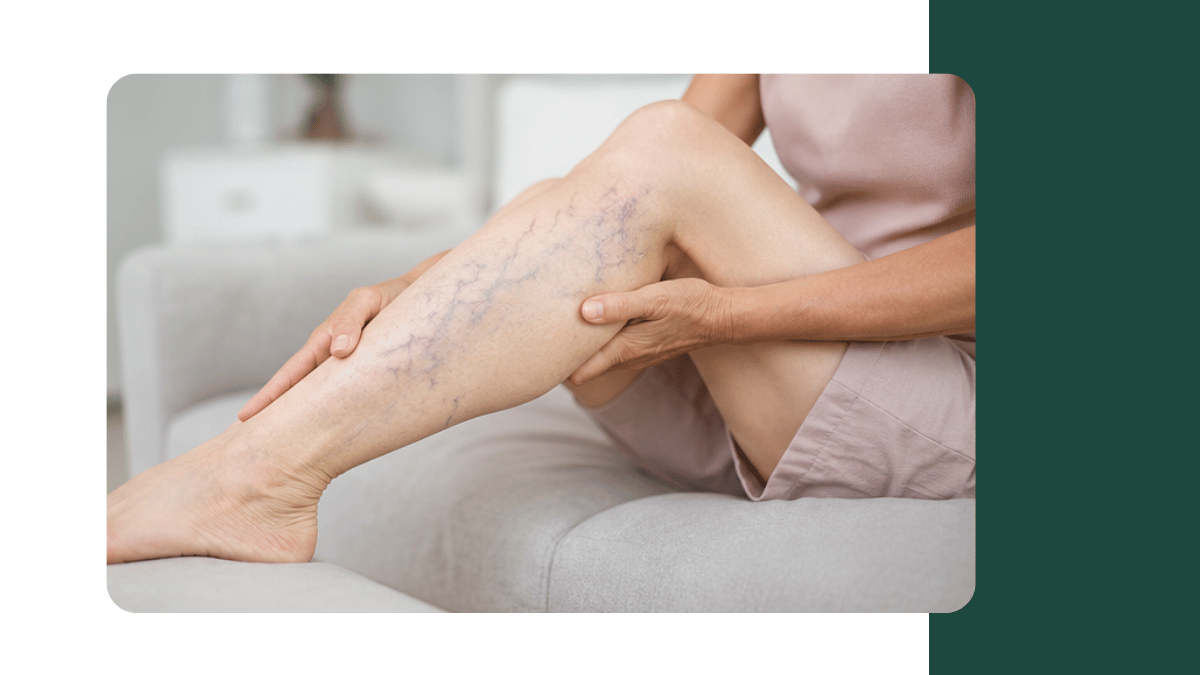
Varicose veins are among the most common conditions I see in my vascular practice at SPARSH Hospital, Hennur, Bengaluru. Most patients arrive having lived with visible, twisted veins in their legs for years, having dismissed them as a cosmetic inconvenience. That dismissal is understandable, but it is also the reason many patients present later than they should - because varicose veins are not always a purely cosmetic problem, and understanding the difference between when they need treatment and when they can be observed is what I want to address in this guide.
What causes varicose veins and how they develop
Veins in the legs carry blood upward against gravity, back toward the heart. One-way valves within the veins prevent blood from flowing backward between heartbeats. When these valves weaken or fail, blood pools in the vein, increasing the pressure within it. Over time, the vein wall stretches and bulges under that pressure, becoming visibly enlarged and tortuous. This process is called chronic venous insufficiency, and varicose veins are its most visible manifestation.
Several factors increase the risk. Standing or sitting for prolonged periods, family history, pregnancy, previous deep vein thrombosis, and increasing age all contribute. Being female increases risk, as does a higher body weight. The condition is progressive - veins that are mildly symptomatic today will not resolve on their own, and in a significant proportion of patients, symptoms worsen gradually over years if the underlying venous reflux is not addressed.
Symptoms that move varicose veins beyond a cosmetic concern
The symptoms of varicose veins extend well beyond appearance. Aching, heaviness, and fatigue in the legs that worsen through the day and improve on elevation are characteristic. Swelling of the ankles and feet by evening is common. Itching of the skin overlying the varicose veins, night cramps, and a sensation of throbbing or burning are all part of the symptomatic spectrum. When these symptoms are present, the problem is no longer cosmetic - it is functional, and it affects quality of life in a measurable way.
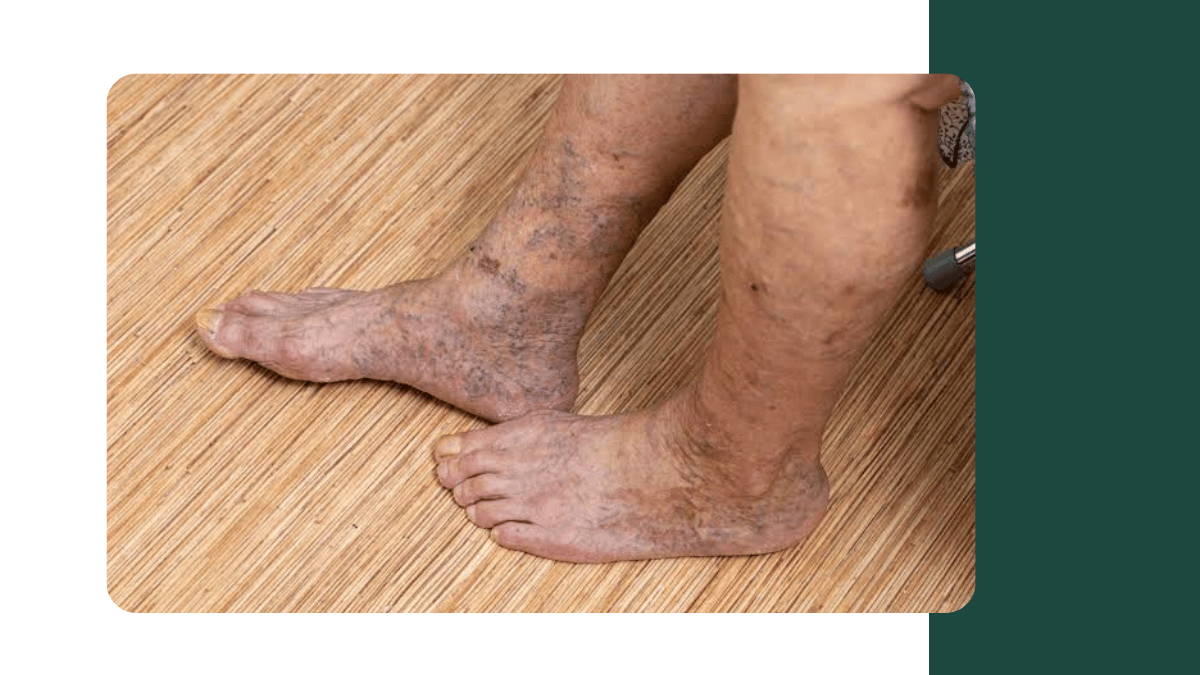
More advanced venous disease produces complications that require prompt attention. Skin changes around the inner ankle, including darkening, thickening, and hardening of the skin, indicate lipodermatosclerosis. Venous eczema produces chronic itching and inflammation. Bleeding from a varicose vein - which can occur after minor trauma to a thin-walled superficial vein - is more alarming than it is dangerous but requires immediate compression and vascular assessment. The most serious complication is a venous leg ulcer, a wound typically around the inner ankle that does not heal because the underlying venous hypertension prevents normal tissue repair. Treating the varicose veins is a necessary part of healing these ulcers and preventing recurrence.
Modern treatment - what has changed and what to expect
The image many patients carry of varicose vein treatment - a painful hospital procedure, a long incision, general anaesthesia, weeks of recovery - does not reflect what is available today. Modern minimally invasive treatments, including endovenous laser ablation, radiofrequency ablation, and ultrasound-guided foam sclerotherapy, treat the underlying cause of varicose veins through a needle or a small catheter without the need for a surgical incision. Most procedures are performed under local anaesthetic, take under an hour, and allow patients to walk home the same day and return to work within a day or two.
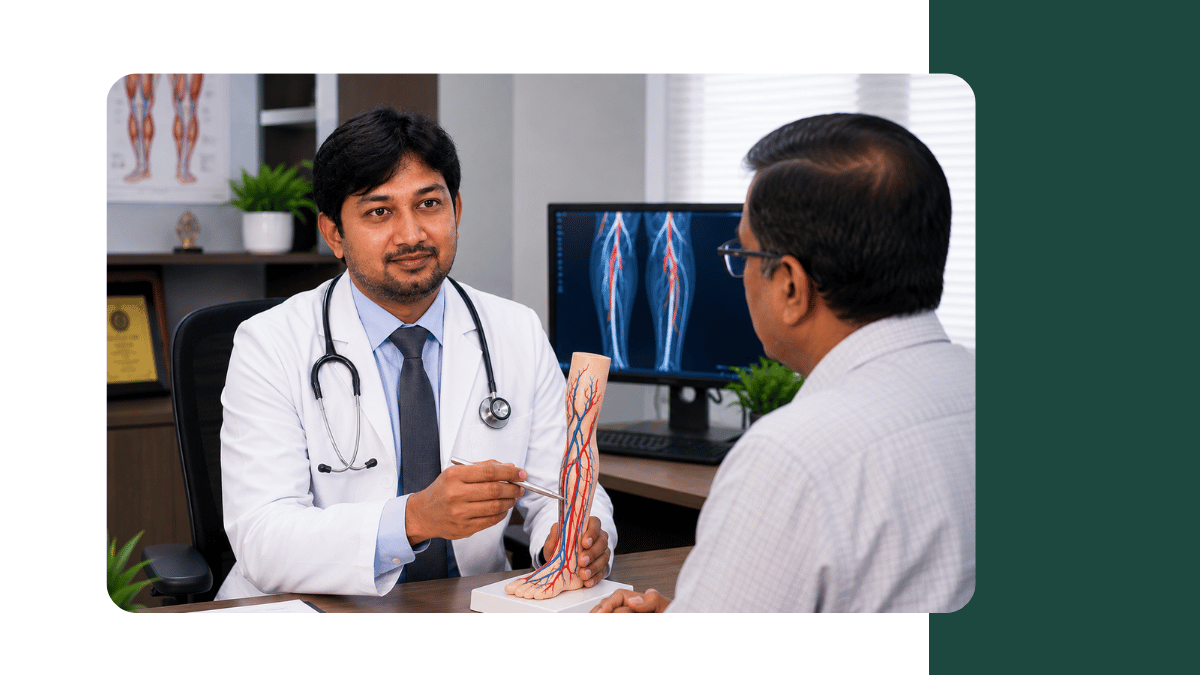
The right treatment is selected based on a detailed duplex ultrasound assessment of the venous system, which maps the reflux pattern and identifies which veins are responsible for the patient's symptoms. This assessment is the foundation of any varicose vein treatment plan - treating veins without understanding the underlying venous anatomy produces incomplete results and early recurrence. At SPARSH Hospital, Hennur, I perform this assessment as part of the first consultation, so that the treatment plan is personalised to the individual's venous anatomy and symptom pattern rather than applied generically.
To book a consultation with Dr. Abhilash V at SPARSH Hospital, HBR Layout, Hennur Road, Bengaluru 560043 (Monday to Saturday, 9 AM to 4 PM), call +91 76766 84611 / +91 88842 70333.
Written by Dr. Abhilash V, MBBS (Kempegowda Institute of Medical Sciences, Bengaluru, 2010), MS General Surgery (Bangalore Medical College and Research Institute, 2015), DrNB Vascular and Endovascular Surgery (National Board of Examinations, New Delhi, 2022), Consultant Vascular and Endovascular Surgeon, SPARSH Hospital, DivyaSree Avance, Hennur Bagalur Main Road, HBR Layout, Bengaluru 560043. Phone: +91 76766 84611 / +91 88842 70333.

Add a Comment