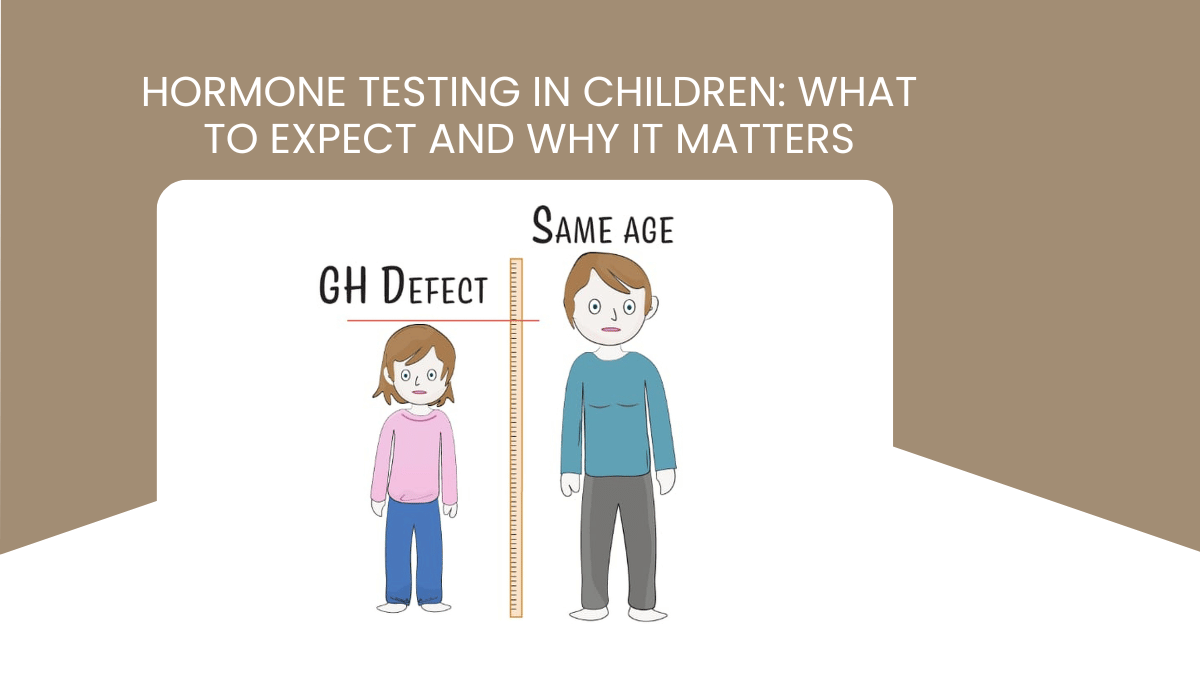
As a paediatric endocrinologist, I often meet parents who are worried about their child’s growth, early or delayed puberty, sudden weight gain, or unexplained fatigue. Many of these concerns can be linked to the endocrine system—our body’s hormone network. One of the most important tools I rely on to understand these issues is hormone testing.
While the idea of hormone tests can sound overwhelming, especially when it involves children, these tests are often simple, minimally invasive, and extremely helpful in diagnosing conditions early.
Why Are Hormones Important in Children?
Hormones regulate almost every aspect of your child’s development—from height and weight to puberty, mood, and metabolism. When hormone levels are out of balance, it can affect how a child grows, feels, and functions.
Some common signs that may indicate the need for hormone testing include:
- Short stature or unusually tall height
- Early or late signs of puberty
- Excessive weight gain or weight loss
- Constant thirst and frequent urination
- Fatigue, poor school performance, or mood changes
- Irregular or absent periods in teenage girls
If I notice any of these patterns during consultation, I usually recommend targeted hormone tests to better understand what’s going on inside the child’s body.
Common Hormone Tests and What They Diagnose:
At my clinics—Apollo Hospitals and Hulse Clinic, JP Nagar—I typically begin with a detailed evaluation and then suggest one or more of the following:
- Growth Hormone (GH) Testing: Assesses whether the body is producing enough GH, especially in children with slow growth. Sometimes, stimulation tests are done to confirm GH deficiency.
- Thyroid Function Tests (TSH, Free T4): Used to detect hypothyroidism or hyperthyroidism, which can affect growth, energy, and mood.
- Sex Hormone Levels (LH, FSH, Estradiol, Testosterone): Important for evaluating early or delayed puberty.
- Cortisol and ACTH: Help detect adrenal gland disorders such as Addison’s disease or Cushing’s syndrome.
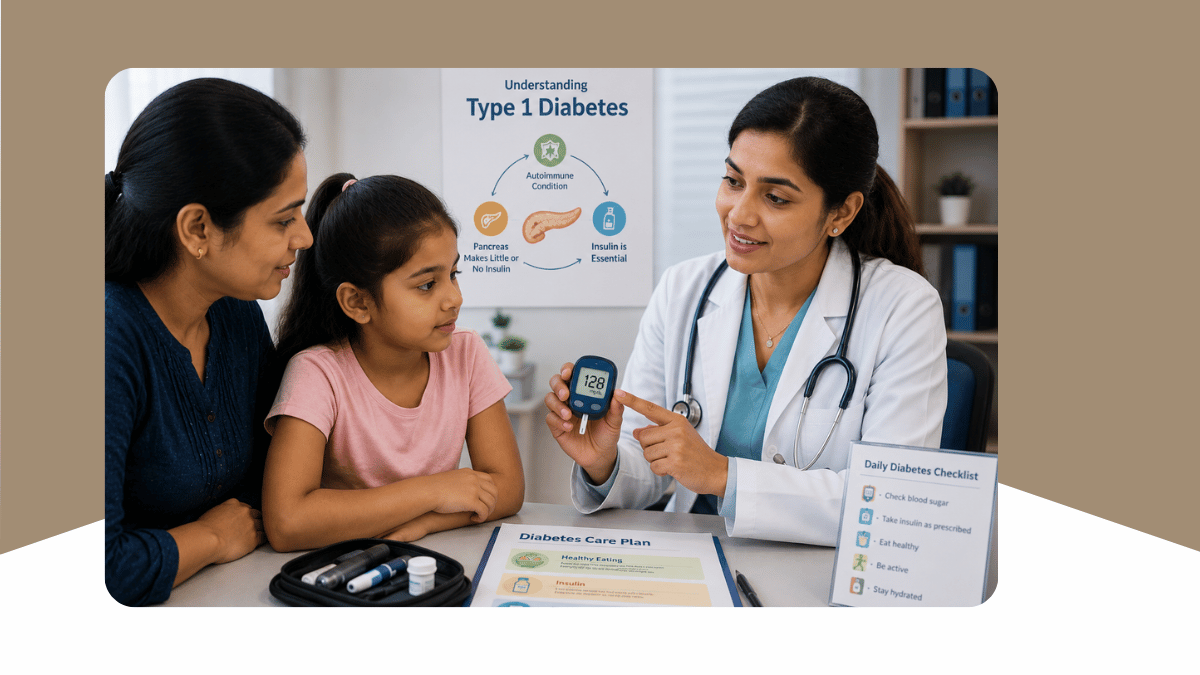
- Insulin and Blood Sugar Levels: Crucial for diagnosing Type 1 or Type 2 diabetes and insulin resistance, especially in overweight children.
- Prolactin and Pituitary Hormones: Used if pituitary dysfunction is suspected, which can affect multiple hormones.
What to Expect During Testing:
Most hormone tests involve a simple blood sample. In some cases, I may recommend dynamic tests, like growth hormone stimulation, which require the child to stay in the clinic for a few hours while we monitor their response to specific medications. Imaging studies like bone age X-rays or pituitary MRIs may also complement lab findings.
I always ensure that parents and children understand why each test is done and what the results mean. Having worked in both the UK and Canada, I’ve learned the importance of combining international standards with individualized care for every family.
Personalized Care Based on Results:
Hormone tests are not just about numbers—they are the foundation of a personalized treatment plan. Whether it’s prescribing growth hormone, managing thyroid medication, or simply reassuring the family that everything is normal, these tests help me offer the right care at the right time.
In Summary:
Hormone testing in children is a safe, effective way to uncover the root cause of many health concerns. Early diagnosis leads to early intervention—and better outcomes for your child.
👉 If you have any doubts about your child’s growth, puberty, or overall health, don’t hesitate to reach out. I’m here to support your child’s healthy development with accurate testing and compassionate care.

Add a Comment