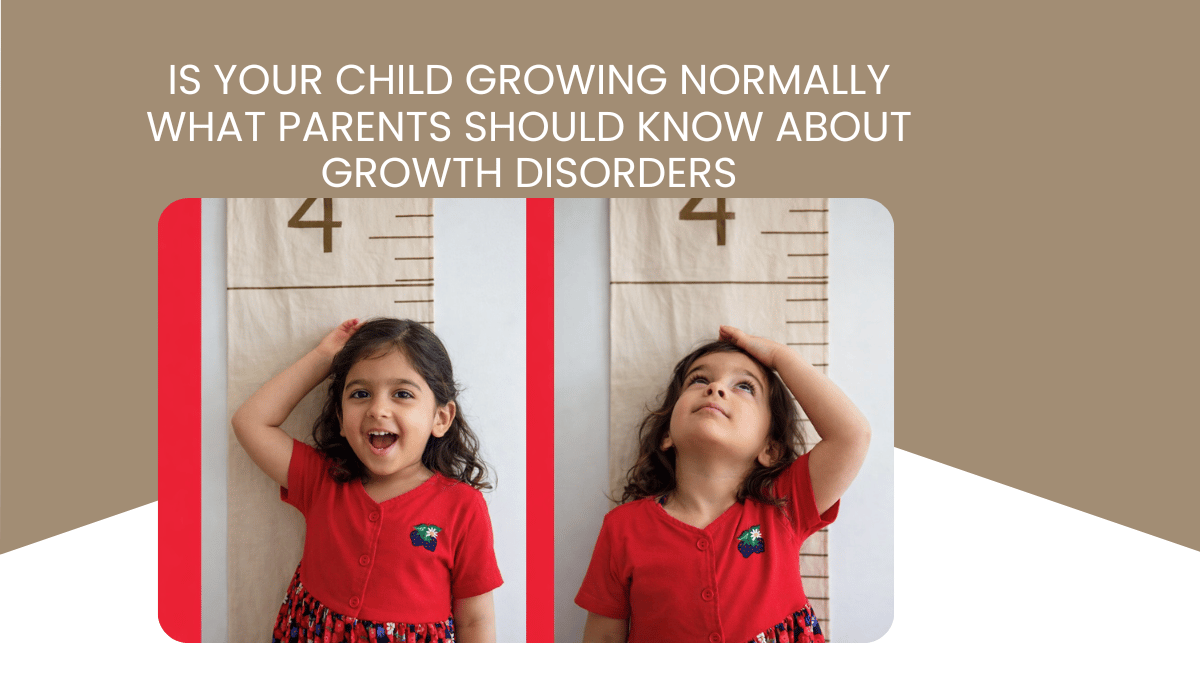
One of the most common questions I hear from parents is, “Is my child growing normally?” As a pediatric endocrinologist, I understand how important and sometimes stressful it can be for parents to monitor their child’s height and weight. Growth is not just about genetics—it’s also a reflection of a child’s overall health and hormonal balance.
Understanding Normal Growth in Children:
Every child is unique, and so is their growth pattern. Typically, children grow rapidly in infancy, slow down a bit during early childhood, and experience another growth spurt during puberty. While genetics play a major role, normal growth also depends on nutrition, sleep, physical activity, and healthy hormone function.
We usually monitor growth using a standardized growth chart, plotting your child’s height and weight over time. Consistency is key. A child growing along the same percentile line (for example, the 25th or 50th percentile) is often considered normal—even if they are shorter or taller than their peers.
Red Flags Parents Shouldn’t Ignore:
While some children are naturally petite or tall, there are certain signs that may point to a growth disorder. I encourage parents to consult a pediatric endocrinologist if they notice:
- A child who is significantly shorter than peers of the same age and gender
- A child whose growth has slowed or plateaued over several months
- Delayed appearance of puberty-related changes (or signs of puberty appearing too early)
- A noticeable difference in height between siblings of similar age
- Excessive weight gain or failure to gain weight alongside poor height growth
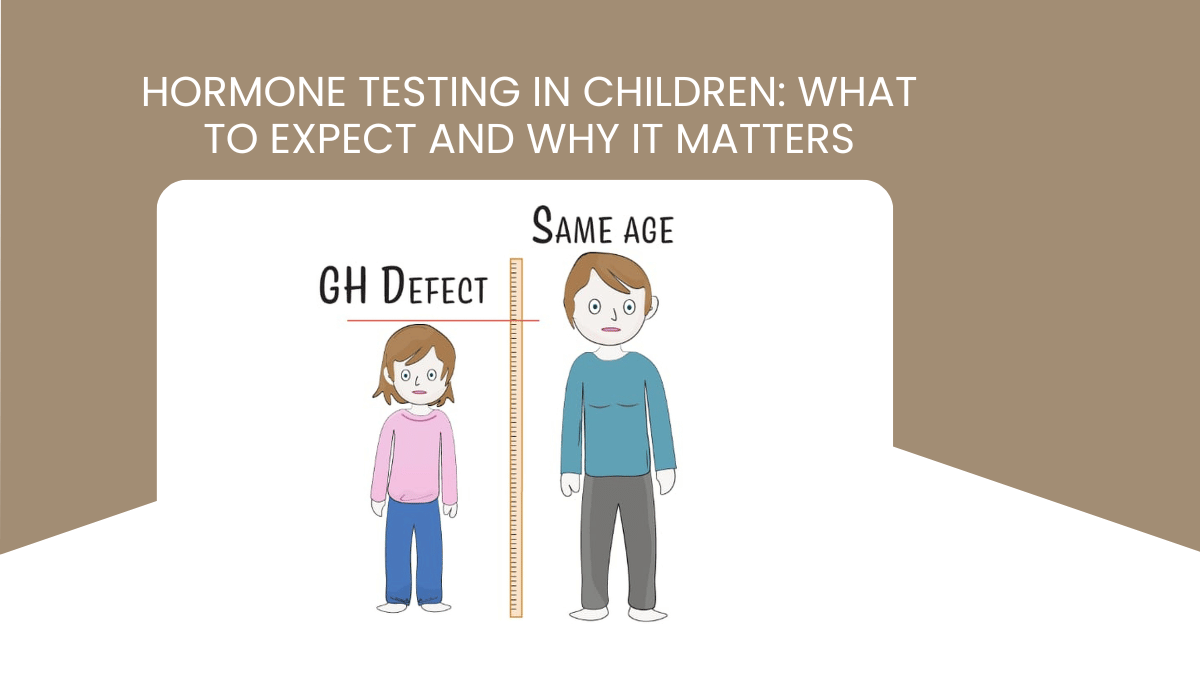
In many cases, these symptoms can be early indicators of conditions like growth hormone deficiency, thyroid dysfunction, or chronic medical issues such as celiac disease or kidney problems.
What Happens During a Growth Evaluation?
When you visit me at Apollo Hospitals or Hulse Clinic in JP Nagar, we begin with a detailed medical history and growth chart review. I often order a set of investigations such as:
- Bone age X-ray to evaluate skeletal maturity
- Blood tests to check levels of growth hormone, thyroid hormone, and other related markers
- If needed, stimulation tests to assess the body’s ability to produce growth hormone
Depending on the findings, we can diagnose conditions like constitutional growth delay, familial short stature, or hormone deficiencies.
Treatment Options and What to Expect:
If your child has a hormonal cause behind poor growth, timely intervention can make a big difference. For example, in cases of growth hormone deficiency, growth hormone therapy can help a child reach their expected height potential. This therapy is safe, effective, and closely monitored.
It’s important to remember that not all short stature is abnormal—and not all short children need treatment. The key is accurate diagnosis, early evaluation, and regular follow-up.
If you're concerned about your child’s growth, don’t wait for time to “fix it.” Sometimes, waiting too long can reduce the window of opportunity for effective treatment.
👉 Let’s work together to support your child’s healthy growth.


Add a Comment