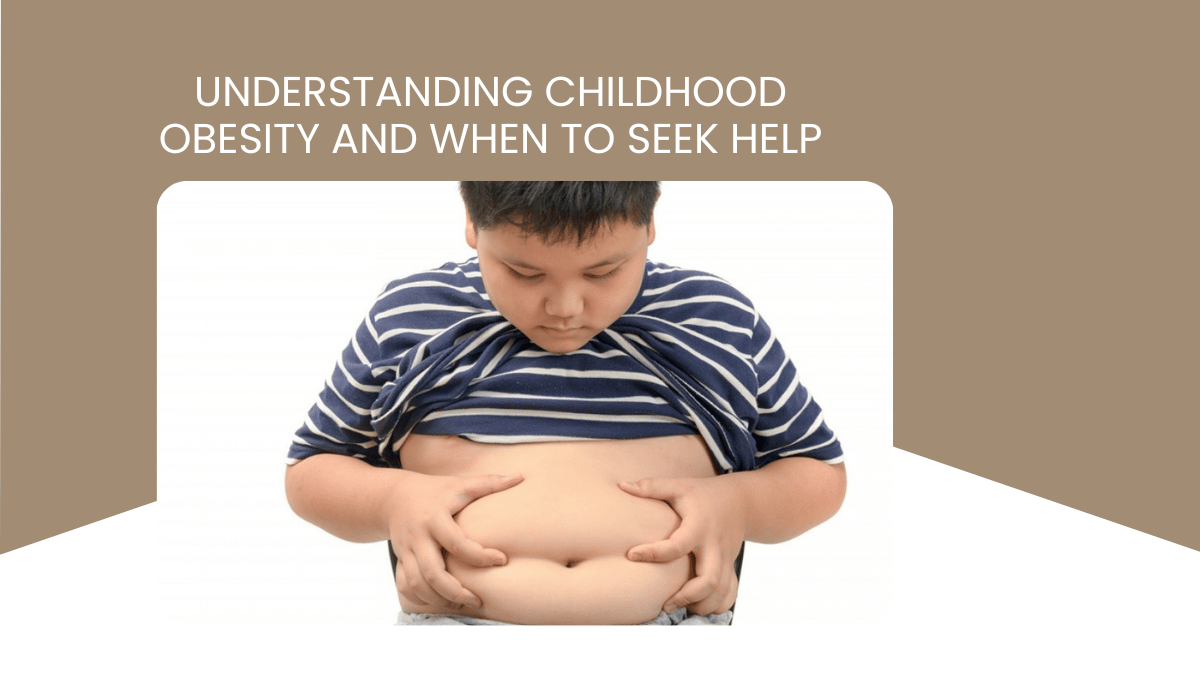
One of the more sensitive concerns parents bring to my clinic is weight gain in children. "She’s always been chubby, but now she’s gaining too fast." Or, "He eats the same as his sibling, but keeps putting on weight." These worries are real—and they’re valid.
As a paediatric endocrinologist, I’ve seen firsthand how childhood obesity can affect not only a child’s physical health but also their confidence, emotional well-being, and future quality of life. The good news is that early recognition and targeted care can make a lasting difference.
What Counts as Obesity in Children?
Childhood obesity isn’t just about appearance—it’s a medical condition defined by a body mass index (BMI) above the 95th percentile for a child’s age and gender. But more than numbers, I look at patterns—how weight is increasing over time, whether the child’s height is proportionate, and whether other symptoms are appearing.
Unlike adults, children are still growing. So, while a little extra weight might be okay during certain phases, consistent upward trends in weight percentile, especially without a corresponding height increase, could be a sign of an underlying hormonal imbalance.
What Causes Childhood Obesity?
In many cases, lifestyle factors such as poor diet, limited physical activity, and excessive screen time play a role. However, not all weight gain is lifestyle-related.
From my clinical experience, I’ve found that in some children, obesity is linked to hormonal or metabolic conditions such as:
- Hypothyroidism – where a slow thyroid leads to fatigue, constipation, and weight gain
- Cushing’s syndrome – caused by excess cortisol
- Insulin resistance or early Type 2 diabetes
- Genetic or hypothalamic obesity syndromes (rare, but significant)
That’s why it’s crucial not to dismiss unexplained or rapid weight gain as simply “overeating” or “laziness.”
How I Evaluate Obesity in Children:
At my practice in Apollo Hospitals and Hulse Clinic (JP Nagar), I start with a comprehensive history—eating habits, activity levels, sleep patterns, and family history. I then conduct a physical exam and recommend relevant blood tests to check thyroid function, blood sugar, insulin levels, and cortisol, depending on the case.
In certain situations, I may request an ultrasound or MRI to evaluate the adrenal glands or rule out rare causes.
Treatment: More Than Just Diet:
While nutrition and physical activity are always part of the plan, my approach goes deeper. If I find a hormonal cause, we start medical treatment—like thyroid hormone replacement or insulin management—alongside lifestyle counseling.
Even when no medical issue is found, I guide families with realistic, age-appropriate strategies for long-term weight management. This includes:
- Setting screen time limits
- Encouraging fun, consistent physical activity
- Supporting mental health and addressing emotional eating
- Tracking progress regularly with follow-ups
What matters most is creating a non-judgmental, supportive environment where the child feels empowered—not blamed.
In Summary:
Childhood obesity is not just a cosmetic issue—it can be a sign of deeper hormonal imbalances or health concerns. If you’re worried about your child’s weight, don’t delay a proper evaluation. The earlier we intervene, the better the outcome.
👉 I offer personalized care for every child—because no two growth journeys are the same. Let’s work together to ensure your child grows up healthy, happy, and confident.

Add a Comment