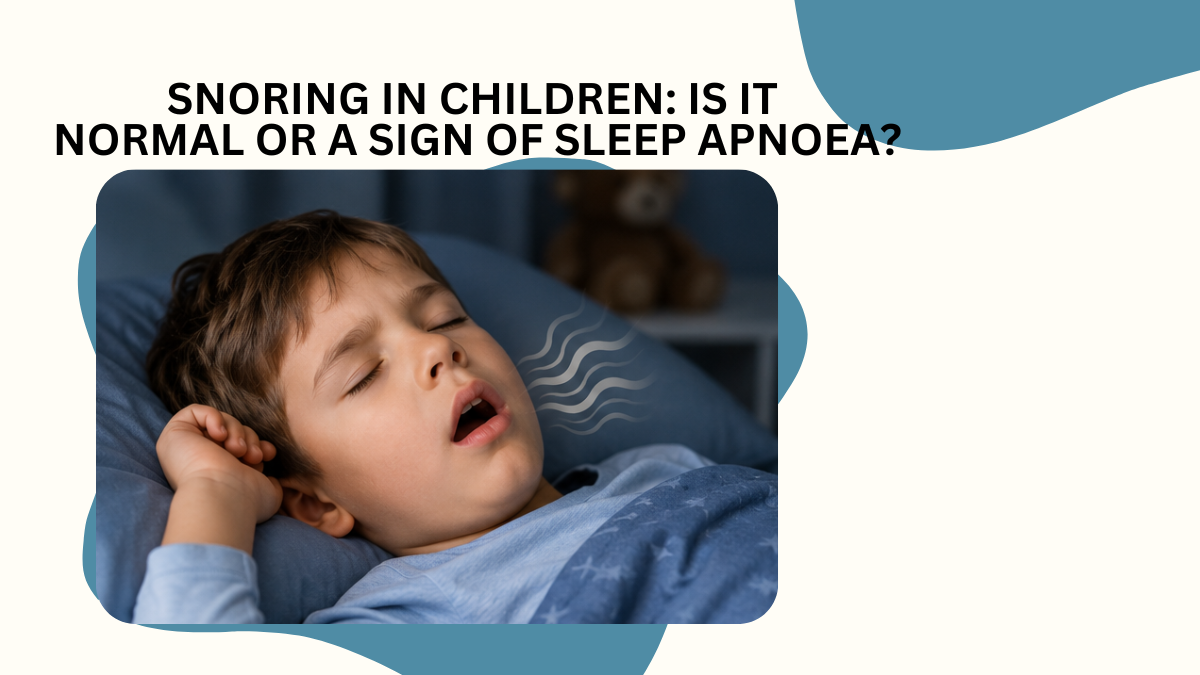
Understanding Snoring in Children
Occasional snoring in children may seem harmless, especially during a cold or nasal congestion. However, frequent or loud snoring should not always be considered normal. In some children, snoring may indicate an underlying breathing problem such as obstructive sleep apnoea, enlarged tonsils, or adenoid enlargement. Identifying the underlying causes early is important because untreated sleep-related breathing problems can affect a child’s sleep quality, behaviour, growth, and overall health.
As an ENT specialist, I often meet parents who initially dismiss snoring as a normal childhood habit until they notice restless sleep, mouth breathing, or daytime tiredness or hyperactivity in their child. In my experience, repeated snoring is commonly associated with enlarged adenoids, enlarged tonsils, allergies, or airway obstruction. Many children show significant improvement in sleep, concentration, and daytime energy once the underlying issue is treated. Early evaluation is essential because poor sleep can impact learning, behaviour, and even physical development over time.
Common Causes of Snoring in Children
There are several possible reasons why children snore during sleep.
Enlarged Adenoids and Tonsils
The most common cause is enlarged adenoids tonsils which results in airway obstruction during sleep, causing noisy breathing and interrupted airflow.
Nasal Allergies and Congestion
Allergies, sinus infections, or chronic nasal blockage can make breathing through the nose difficult, leading to snoring.
Obesity
Excess body weight may increase pressure around the airway and contribute to breathing difficulty during sleep.
Structural Airway Problems
In some children, structural differences in the nose, jaw, or airway can increase the risk of snoring and breathing disturbances.
Sleep Apnoea in Children
Snoring may sometimes be a warning sign of obstructive sleep apnoea, a condition where breathing repeatedly pauses during sleep.
Sleep Apnoea Children Symptoms
Parents should watch for the following sleep apnoea children symptoms:
- Loud and persistent snoring
- Pauses in breathing during sleep
- Restless sleep or unusual sleeping positions
- Mouth breathing
- Daytime sleepiness or fatigue
- Poor concentration or hyperactivity
- Morning headaches
- Difficulty waking up
These symptoms may indicate reduced oxygen flow and disturbed sleep quality.
Why Sleep Apnoea Should Not Be Ignored
Untreated sleep apnoea can affect a child’s physical and emotional well-being.
Impact on Growth and Development
Poor sleep quality may interfere with growth, immunity, and hormone regulation in children.
Behavioural and Learning Difficulties
Children with poor-quality sleep may develop irritability, poor attention span, hyperactivity, or academic difficulties.
Cardiovascular and Breathing Problems
Severe untreated sleep apnoea may increase strain on the heart and lungs over time.
Paediatric ENT Evaluation and Treatment
A paediatric ENT -snoring evaluation helps identify the exact cause of airway obstruction and guide treatment.
Allergy and Nasal Treatment
Managing allergies and nasal congestion can improve airflow and reduce snoring.
Tonsil and Adenoid Assessment
Children with enlarged tonsils or adenoids may require medical treatment or surgical removal to improve breathing.
Sleep Monitoring
In some cases, sleep studies may be recommended to confirm sleep apnoea severity.
Conclusion
While occasional snoring in children may not always be serious, persistent or loud snoring should never be ignored. Understanding the underlying child snoring causes and recognising early signs of sleep apnoea can help prevent long-term health problems. With timely evaluation and appropriate treatment, most children experience better sleep, improved breathing, and healthier overall development.



Add a Comment