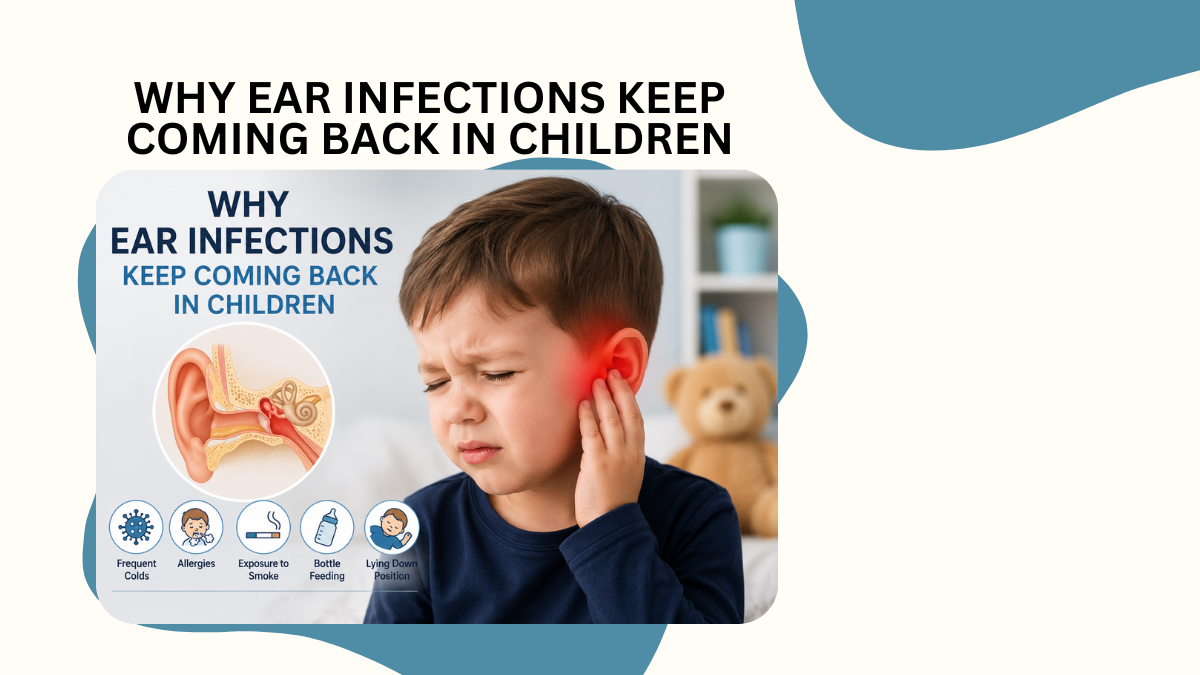
Understanding Otitis Media in Children
Otitis media, commonly known as a middle ear infection, is a common childhood health problem. Many children experience at least one ear infection during early childhood, but some suffer from repeated episodes that cause pain, fever, irritability, and temporary hearing difficulties. Persistent or recurrent ear infections in children should not be ignored, as repeated infections may affect speech development, sleep, and overall quality of life if left untreated.
As an ENT specialist and allergy expert, I often meet worried parents who are frustrated because their child’s ear infections keep returning despite multiple treatments. In my experience, recurrent ear infections are often linked not only to infections but also to allergies, enlarged adenoids, sinus issues, or poor drainage in the middle ear. Many parents assume antibiotics alone are enough, but identifying the underlying cause is equally important. I have seen children improve significantly once contributing factors such as allergies or chronic nasal blockage are treated properly. Early diagnosis and timely ENT care can help prevent repeated infections and long-term complications.
What Is Otitis Media?
Otitis media refers to inflammation or infection of the middle ear, the air-filled space located behind the eardrum. The condition is especially common in younger children because their Eustachian tubes are shorter and narrower, making it easier for fluid and infections to build up.
Common Symptoms of Ear Infections
Children with otitis media may experience:
- Ear pain or pulling at the ear
- Fever
- Irritability or excessive crying
- Difficulty hearing
- Trouble sleeping
- Fluid discharge from the ear
- Reduced appetite
Repeated symptoms may suggest recurrent ear infections in children and require detailed medical evaluation.
Middle Ear Infection Causes
Understanding middle ear infection causes is essential for effective treatment and prevention.
Viral and Bacterial Infections
Colds, throat infections, and respiratory illnesses can spread to the middle ear and cause infection.
Allergies and Nasal Congestion
Allergies may cause swelling inside the nose and Eustachian tubes, preventing proper drainage from the middle ear.
Enlarged Adenoids
Enlarged adenoids can block the Eustachian tubes, increasing the risk of repeated ear infections.
Exposure to Smoke and Pollution
Passive smoking and environmental pollution can irritate the airways and increase infection risk.
Weak Immune Response
Young children are more prone to infections because their immune systems are still developing.
Otitis Media Treatment Options
Proper otitis media treatment depends on the severity, frequency, and underlying cause of the infection.
Medications
Pain relief medicines, antibiotics, or anti-inflammatory treatment may be prescribed depending on the type of infection.
Allergy Management
Treating allergies and nasal congestion can help reduce repeated infections and improve middle ear drainage.
Ear Tube Surgery
Children with severe or frequent infections may benefit from tiny ventilation tubes inserted into the eardrum to prevent fluid buildup.
Adenoid Evaluation
If enlarged adenoids contribute to repeated infections, ENT assessment and treatment may be recommended.
When to Visit an ENT Specialist
Parents should consult an ENT specialist if a child experiences repeated ear infections, hearing difficulties, delayed speech, persistent fever, or fluid discharge from the ear. Early treatment can help prevent complications and support healthy hearing and speech development.
Conclusion
Otitis media is a common but manageable childhood condition. Understanding the underlying causes of repeated infections is important for long-term relief and prevention. With proper diagnosis, allergy management, and timely otitis media treatment, most children recover well and experience fewer future infections. Early ENT care can play a major role in protecting a child’s hearing, comfort, and overall development.



Add a Comment