In my complete guide to childhood asthma, I described allergen immunotherapy as the only treatment that modifies the underlying allergic disease rather than suppressing its symptoms. I want to expand that section here in detail, because immunotherapy is the part of allergy and asthma management that parents most frequently have questions about after their first consultation. They want to know whether it will work for their child specifically, what the injections or drops actually involve, how long it takes, whether it is safe, and whether the results last. These are the right questions, and they deserve proper answers. My training in allergy at Sir Ganga Ram Hospital and the University of Colorado specifically covers allergen immunotherapy protocols, and at Vatsalya Superspeciality Children Hospital, Varanasi, I offer both subcutaneous and sublingual immunotherapy as part of a comprehensive allergy management programme for children with confirmed allergen sensitisation.
What Allergen Immunotherapy Actually Does to the Immune System
Most allergy treatments work downstream of the immune response. Antihistamines block histamine receptors. Inhaled corticosteroids reduce airway inflammation. Nasal sprays reduce local mucosal swelling. These treatments are effective and important, but they are working against the consequences of an immune system that is already generating an allergic response to an allergen it has encountered. Allergen immunotherapy works upstream. By administering gradually increasing doses of the specific allergen to which the child is sensitised, immunotherapy induces changes in the immune response itself: a shift from the Th2-type allergic immune response toward a more tolerant Treg-mediated response, reduced production of allergen-specific IgE, increased production of blocking antibody IgG4, and the induction of immune tolerance to the specific allergen. These are not temporary changes. They represent a fundamental reprogramming of the immune system's response to a specific allergen, and the effects persist well beyond the treatment period, which is the reason immunotherapy is the only treatment described as disease-modifying rather than symptom-suppressing.
SCIT and SLIT: The Two Routes of Delivery
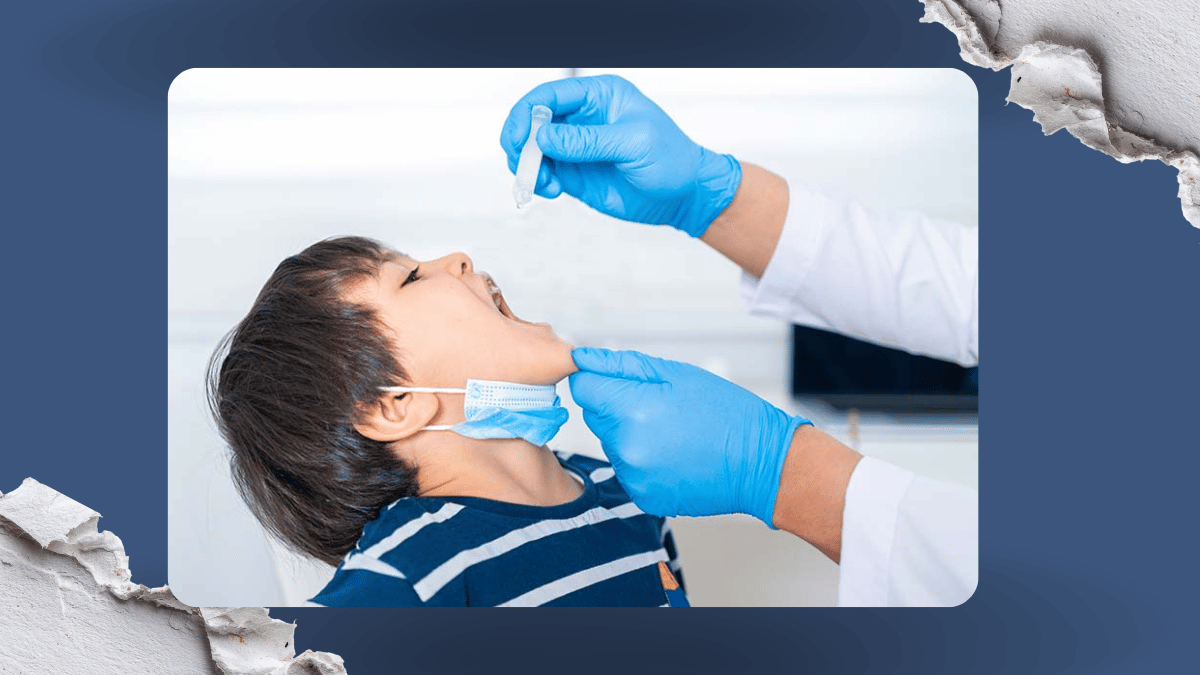
Subcutaneous immunotherapy (SCIT) involves injections given under the skin, usually in the upper arm, at the clinic. The treatment begins with a build-up phase in which the allergen dose is gradually increased, typically weekly, over a period of several months until the maintenance dose is reached. Once at maintenance, injections are given monthly for three to five years. SCIT is the most extensively studied form of immunotherapy and has the broadest evidence base for respiratory allergic disease. Sublingual immunotherapy (SLIT) involves drops or tablets placed under the tongue and held there for a period before swallowing. SLIT is administered at home after the first supervised dose at the clinic, which is a practical advantage for families with young children or those who cannot attend weekly clinic appointments. SLIT has strong evidence for house dust mite and grass pollen sensitisation and is effective for both allergic rhinitis and allergic asthma. The choice between SCIT and SLIT depends on the specific allergen being treated, the child's age and compliance, and the family's practical circumstances. At Vatsalya Hospital, Varanasi, I discuss the options transparently so that families can choose the route that fits their life.
Who Is a Candidate and What to Expect During Treatment
The ideal candidate for allergen immunotherapy is a child with confirmed IgE-mediated sensitisation to one or more specific allergens, established by skin prick testing, whose allergic rhinitis or asthma is not adequately controlled by pharmacotherapy alone, or who has well-controlled disease but requires ongoing medication and would benefit from a treatment that could reduce or eliminate that need over time. Asthma must be well controlled before immunotherapy is initiated, since poorly controlled asthma increases the risk of systemic reactions during injection build-up. Children as young as five years can receive immunotherapy, though the decision is made individually based on the child's clinical profile and capacity to cooperate with the treatment process. During the build-up phase, families should expect clinic visits for each injection with a 30-minute observation period afterwards. Systemic reactions are uncommon but possible, which is why immunotherapy injections are always administered in a clinical setting with emergency treatment available. Over the course of the first year, most children begin to notice a meaningful reduction in their allergic symptoms during their peak allergy season or in the presence of their specific trigger. By the end of the treatment course, many children are able to reduce or stop their regular allergy and asthma medication entirely, with sustained benefit continuing after treatment is completed.
To book a consultation with Dr. Divyank Pathak at Vatsalya Superspeciality Children Hospital, Mahavir Road, Varanasi, Uttar Pradesh 221002, call +91 9838713111.
Written by Dr. Divyank Pathak, MBBS, MD (Paediatrics), IFPCCM, DPAA, FNPP, DPSM, FAAP, Director and Senior Consultant Paediatrician, Pediatric Critical Care and Allergy and Asthma Specialist, Vatsalya Superspeciality Children Hospital, Mahavir Road, Varanasi, Uttar Pradesh 221002. 10+ years. 25,000+ patients. Phone: +91 9838713111.
Related reading
Childhood Asthma: A Complete Guide to Diagnosis, Treatment, and Long-Term Control
Pediatric Allergy and Asthma: Symptoms, Causes, and Care Tips
Pediatric and Neonatal Pulmonology: Breathing Life into Healthy Childhood



Add a Comment