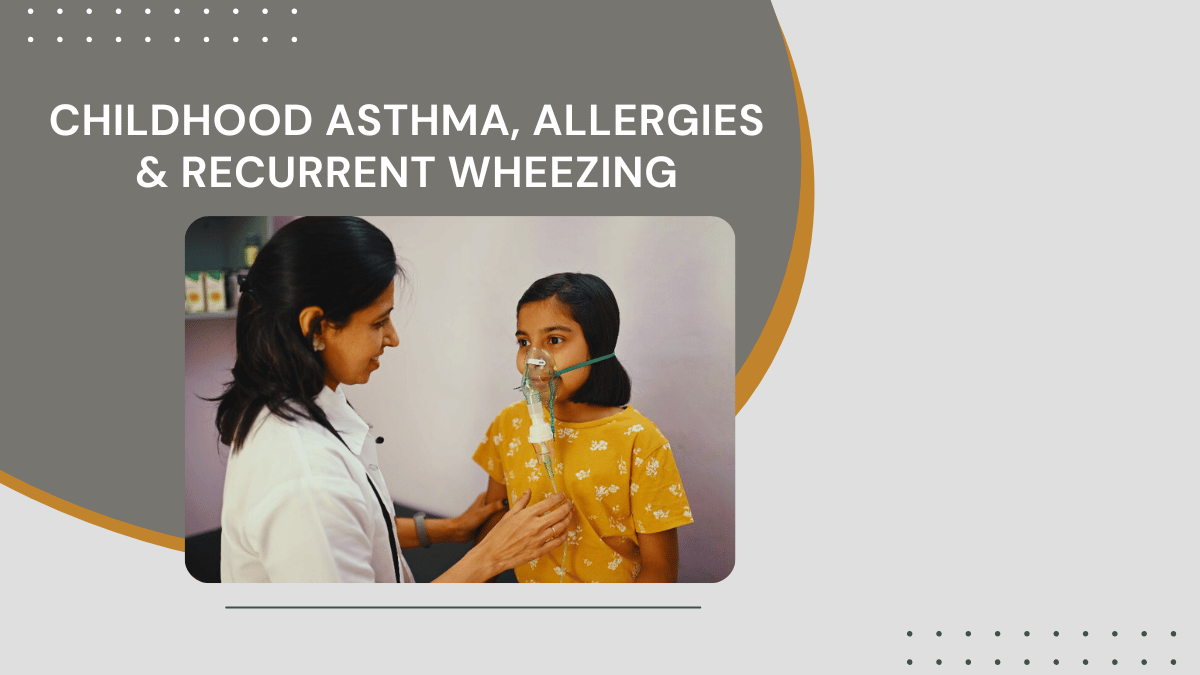
Childhood asthma, allergies, and recurrent wheezing are among the most common pediatric respiratory conditions seen in clinical practice today. In India, the rising prevalence of environmental pollution, viral infections, indoor allergens, and genetic predisposition has significantly contributed to increasing cases of pediatric asthma and allergic disorders. Early identification and structured management are essential to prevent repeated hospital visits, sleep disturbances, poor school performance, and long-term lung damage. Understanding the difference between occasional viral wheezing and chronic asthma is crucial for parents seeking the right treatment for their child.
In my clinical practice, I frequently see children who have been treated repeatedly for cough and cold without identifying the underlying cause. Many parents come worried after multiple episodes of wheezing, nebulizations, or emergency visits. Through detailed history-taking, trigger assessment, and lung evaluation, I help families understand whether the child has transient viral wheeze, allergic asthma, or another respiratory condition. One of the most important steps I emphasize is identifying triggers such as dust mites, pollen, pet dander, seasonal changes, or viral infections. Once we recognize these triggers, we can create a personalized asthma management plan that significantly reduces future attacks.
Over the years, I have learned that asthma management is not just about prescribing inhalers—it is about education and reassurance. I spend time counselling parents about correct inhaler techniques, spacer usage, adherence to controller medications, and the importance of follow-up. Many families fear long-term inhaler therapy, but when used appropriately, inhaled corticosteroids are safe and highly effective in controlling airway inflammation. I have seen remarkable improvements in children who were once frequently hospitalized but now lead active, symptom-free lives with proper asthma control strategies.
Allergic conditions such as allergic rhinitis, eczema, and food allergies often coexist with childhood asthma. This is known as the “allergic march,” where one allergic condition may predispose a child to another. Comprehensive allergy management includes environmental control measures, medication optimization, and sometimes allergy testing. Preventive strategies such as reducing dust exposure, avoiding passive smoke, ensuring proper ventilation, and strengthening immunity through nutrition and vaccination play a vital role in minimizing flare-ups.
Recurrent wheezing in infants and toddlers can be particularly challenging. Not all wheezing indicates chronic asthma; some children outgrow viral-induced wheeze as their airways mature. However, children with frequent episodes, family history of allergies, or persistent symptoms require closer monitoring and early intervention. Timely diagnosis and structured pediatric asthma care significantly reduce emergency visits and improve quality of life.
Childhood asthma and allergies are manageable conditions with the right guidance. With early diagnosis, trigger avoidance, appropriate inhaler therapy, and regular follow-up, most children can lead completely normal, active lives. If your child experiences repeated cough, breathing difficulty, or wheezing, seeking evaluation from a pediatric asthma specialist ensures long-term respiratory health and optimal growth and development.


Add a Comment