Pediatric respiratory infections and chronic cough are among the most common reasons parents seek medical consultation. From recurrent colds and bronchitis to pneumonia and persistent cough lasting more than four weeks, respiratory illnesses can significantly affect a child’s daily life. In India, changing weather patterns, air pollution, viral outbreaks, and allergen exposure contribute to frequent respiratory infections in children. While most acute respiratory infections are viral and self-limiting, persistent or recurrent symptoms may indicate underlying conditions such as asthma, allergies, sinusitis, or immune-related concerns. Early diagnosis and timely intervention are essential to prevent complications and ensure healthy lung development.
In my clinical practice, I often meet parents who are anxious because their child’s cough “just doesn’t go away.” Many children are treated repeatedly with syrups or antibiotics without identifying the root cause. I make it a priority to take a detailed history—understanding the duration of cough, associated wheezing, fever patterns, exposure to smoke or pollution, school attendance, and family history of allergies. A chronic cough is not a diagnosis in itself; it is a symptom. Through careful evaluation and, when necessary, investigations such as chest X-rays or allergy assessments, I aim to determine whether the cause is post-viral cough, asthma, sinus infection, gastroesophageal reflux, or another underlying issue.
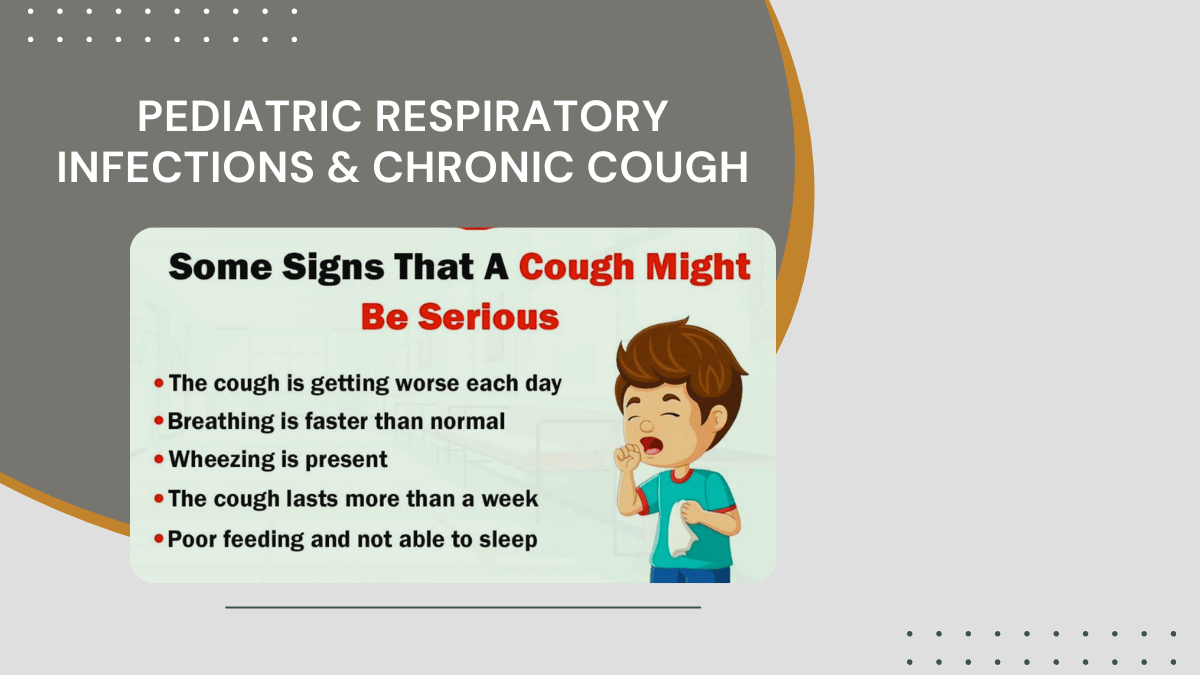
Acute pediatric respiratory infections commonly include viral upper respiratory tract infections, bronchiolitis, bronchitis, and pneumonia. Symptoms may include cough, fever, nasal congestion, breathing difficulty, and poor feeding in younger children. Most viral infections resolve with supportive care, hydration, and monitoring. However, warning signs such as fast breathing, chest retractions, persistent high fever, lethargy, or bluish discoloration require immediate medical attention. Appropriate antibiotic stewardship is critical—antibiotics should only be prescribed when bacterial infection is suspected or confirmed.
Chronic cough in children, defined as a cough lasting more than four weeks, requires systematic evaluation. Common causes include asthma, allergic rhinitis with post-nasal drip, chronic sinusitis, protracted bacterial bronchitis, and environmental irritants. Exposure to passive smoking and indoor air pollution significantly increases respiratory symptoms. Identifying triggers and implementing preventive strategies such as improving indoor air quality, reducing dust exposure, and ensuring proper nutrition can make a substantial difference.
Preventive pediatric respiratory care plays a key role in reducing infection frequency. Timely vaccination, including influenza and pneumococcal vaccines where indicated, strengthens immunity against serious respiratory illnesses. Regular growth monitoring and follow-up visits help track overall health and detect early warning signs of chronic respiratory conditions. Educating parents about proper inhaler techniques, steam inhalation myths, and when to seek emergency care empowers families to manage respiratory symptoms confidently.
Pediatric respiratory infections and chronic cough should never be ignored when symptoms are persistent or recurrent. With early diagnosis, evidence-based treatment, and preventive healthcare strategies, most children recover fully and maintain healthy lung function. Consulting a pediatric specialist ensures accurate evaluation, appropriate management, and long-term respiratory well-being for your child.

Add a Comment