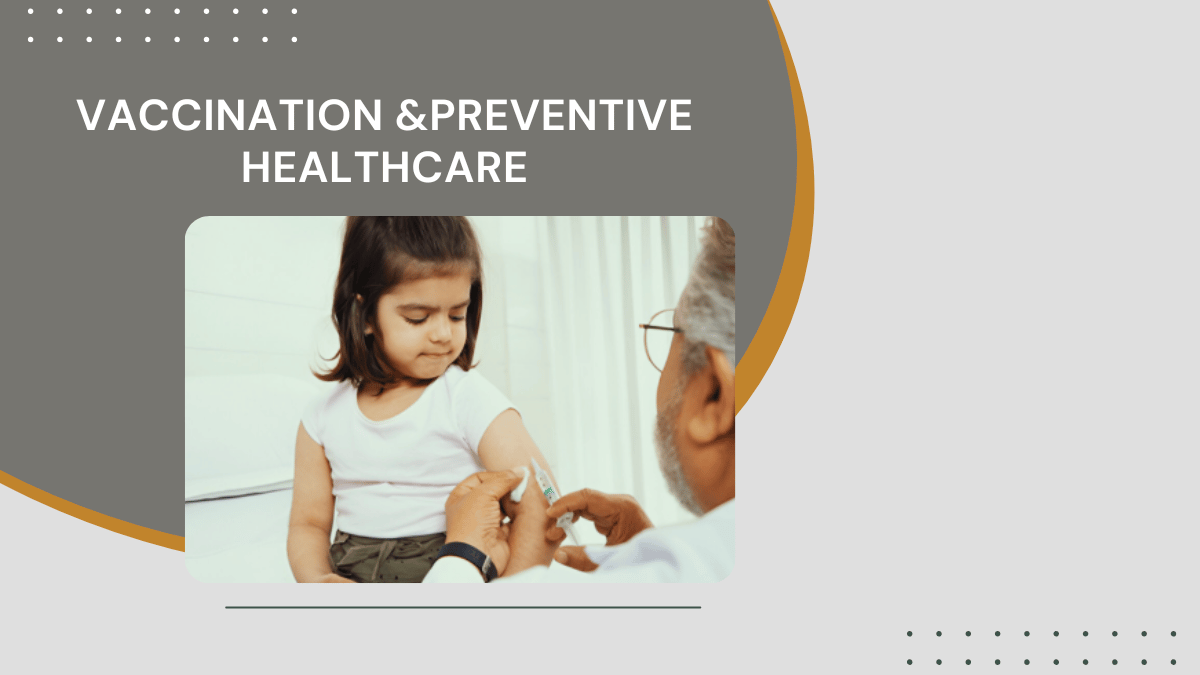
Vaccination and preventive healthcare are the cornerstones of pediatric care, playing a vital role in protecting children from life-threatening infectious diseases. In India, timely immunization has significantly reduced illnesses such as polio, measles, diphtheria, and whooping cough. However, gaps in awareness and missed vaccine schedules can still place children at risk. Preventive child healthcare goes beyond vaccines—it includes regular health check-ups, growth monitoring, developmental screening, nutritional guidance, and early detection of medical concerns. A structured vaccination schedule combined with proactive pediatric care ensures that children develop strong immunity and achieve healthy physical and cognitive milestones.
In my clinical practice, I often meet parents who are unsure about vaccination schedules or worried about vaccine safety. I make it a point to explain that vaccines are among the safest and most rigorously tested medical interventions available today. Following national immunization guidelines, I ensure that every child receives age-appropriate vaccines on time. I also emphasize maintaining a vaccination record and never delaying essential doses without medical advice. Over the years, I have seen how timely immunization prevents severe infections, hospitalizations, and long-term complications. Preventive healthcare is not just about treating illness—it is about staying one step ahead of disease.
Timely childhood vaccination protects against serious infections such as hepatitis B, tuberculosis, diphtheria, tetanus, pertussis, measles, mumps, rubella, influenza, and pneumococcal disease. Certain vaccines are especially important during infancy when a child’s immune system is still developing. Booster doses are equally critical, as they reinforce immunity and provide long-term protection. In addition to routine immunization, seasonal vaccines such as influenza can significantly reduce respiratory complications in children.
Preventive healthcare also includes regular pediatric check-ups to monitor height, weight, head circumference, and developmental milestones. Early screening helps detect conditions such as anemia, nutritional deficiencies, speech delay, behavioral concerns, or growth disorders at a stage when intervention is most effective. Counselling parents on breastfeeding, balanced nutrition, hygiene practices, sleep patterns, and physical activity forms an integral part of comprehensive child healthcare.
Parental education is key to preventive medicine. Addressing myths surrounding vaccines, discussing common mild side effects, and reassuring families about safety helps build trust and compliance. Maintaining hygiene, ensuring safe drinking water, and minimizing exposure to infections further strengthen a child’s immune defense. Preventive pediatric care reduces emergency visits, hospital admissions, and healthcare costs while improving overall quality of life.
Conclusion:
Vaccination and preventive healthcare are investments in a child’s future health and well-being. With timely immunization, regular health monitoring, and proactive parental guidance, most childhood illnesses can be prevented or detected early. A structured preventive care approach not only safeguards children from infections but also supports optimal growth and development. Ensuring consistent pediatric follow-up is one of the most powerful steps parents can take to secure lifelong health for their child.
Add a Comment