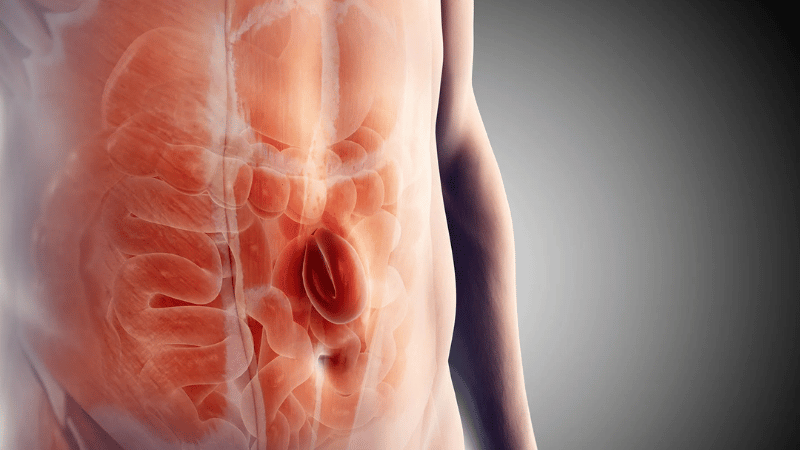
Hernias are one of the most common conditions I operate on at Aster CMI Hospital, Bengaluru, and they are also one of the most frequently misunderstood. Many patients arrive having lived with a hernia for months or years, unsure whether they need surgery or whether it will resolve on its own. Others arrive urgently, having waited too long and developed a complication that made a straightforward repair into an emergency procedure. The purpose of this guide is to give every patient in Bengaluru who has been told they have a hernia, or who suspects they might have one, a clear understanding of what kind they have, what the natural history of that specific hernia is, when surgery is appropriate, and what modern minimally invasive repair involves. With 26 years of surgical experience, FALS Fellowship in Advanced Laparoscopic Surgery, FMBS Fellowship in Bariatric and Metabolic Surgery, Da Vinci robotic surgery training, and structured surgical training with the UK National Health Service, hernia repair is one of the procedures in which laparoscopic and robotic technique makes the most meaningful difference to the patient's recovery and long-term outcome.
What Is a Hernia?
A hernia occurs when an internal organ or tissue, most commonly a loop of intestine or a piece of fatty tissue, pushes through a weakness or gap in the surrounding muscle wall. The result is a bulge that is often visible and palpable under the skin, which may or may not be associated with pain or discomfort. The weakness in the muscle wall may be congenital (present from birth), acquired through age and wear, or iatrogenic (caused by a previous surgical incision). Hernias do not heal on their own , once a weakness in the muscle wall allows tissue to protrude, the defect does not close spontaneously, and the question is not whether to repair it eventually but when and how.
The Six Main Types of Hernia
Understanding which type of hernia you have is the foundation of deciding how it should be managed. The six types I see and repair most frequently are as follows.
Inguinal Hernia
The inguinal hernia is by far the most common hernia type, accounting for approximately 75 percent of all hernias, and is significantly more common in men due to the anatomy of the inguinal canal, through which the testicular blood supply passes during fetal development. In men, inguinal hernias present as a bulge in the groin, sometimes extending into the scrotum. In women, inguinal hernias are less common but do occur and may present as a groin bulge that is less obviously visible. Inguinal hernias can be direct, where the bowel pushes directly through a weakness in the posterior wall of the inguinal canal, or indirect, where it travels down the inguinal canal through the internal ring. Both are managed surgically, and the laparoscopic approach offers specific advantages for inguinal hernias, including the ability to repair both sides in a single procedure when bilateral hernias are present.
Umbilical Hernia
Umbilical hernias occur at the navel, where the umbilical cord passed during fetal development. In adults, they are most commonly caused by raised intra-abdominal pressure from obesity, previous pregnancy, chronic cough, or heavy lifting. Small umbilical hernias without symptoms are often watched, but umbilical hernias that are enlarging, causing discomfort, or above a certain size are generally repaired surgically. The repair, whether open or laparoscopic depending on size, typically uses a mesh to reinforce the defect.
Incisional Hernia
An incisional hernia develops at the site of a previous abdominal surgical incision. The fascial closure from the original surgery weakens over time, particularly if the wound had a post-operative infection, if the repair was under tension, or if the patient has conditions that impair healing such as obesity, diabetes, or steroid use. Incisional hernias can be small and asymptomatic initially but tend to enlarge progressively over time. Incisional hernias are among the most technically demanding hernias to repair because of scarring from the original surgery, the variable size and shape of the defect, and the need to use mesh in a way that accounts for the altered anatomy and prevents recurrence.
Epigastric Hernia
Epigastric hernias develop in the midline of the abdomen between the navel and the lower margin of the ribcage, where the two sheets of rectus abdominis muscle meet. The defect is usually small, with fat prolapsing through it rather than bowel. However, because the defect is small, it carries a higher risk of the protruding tissue becoming trapped and losing its blood supply, which makes elective repair preferable to observation even when symptoms are mild.
Femoral Hernia
Femoral hernias occur below the inguinal ligament, through the femoral canal, and are significantly more common in women than men. They present as a bulge in the upper inner thigh and are frequently smaller and harder to feel than inguinal hernias, which can make them more difficult to diagnose. Femoral hernias are important because they carry a higher risk of strangulation than most other hernia types due to the rigid nature of the femoral ring, and for this reason surgical repair is recommended promptly once a femoral hernia is confirmed.
Hiatal Hernia
A hiatal hernia is anatomically distinct from the other hernia types: rather than involving the abdominal wall, it occurs where the oesophagus passes through the diaphragm. When the stomach slides up into the chest through the diaphragmatic hiatus, this is a sliding hiatal hernia. When a portion of the stomach rolls alongside the oesophagus into the chest, this is a para-oesophageal hernia. Sliding hiatal hernias are extremely common, often asymptomatic, and are managed medically. Para-oesophageal hernias can be asymptomatic initially but carry a risk of gastric volvulus and strangulation that makes surgical repair advisable, usually laparoscopic fundoplication combined with hiatal closure.
Which Hernias Are Watched and Which Are Operated?
Not every hernia requires immediate surgery, and there is a legitimate role for watchful waiting in carefully selected patients. For minimally symptomatic inguinal hernias in older patients with significant medical comorbidities, the risk of elective repair may reasonably outweigh the risk of the hernia becoming problematic within the patient's lifetime. For small asymptomatic umbilical hernias, a period of observation is clinically acceptable. However, these are the exceptions rather than the rule. For the majority of patients, the risk of waiting outweighs the benefit of delaying a straightforward elective repair that becomes significantly more complex if a complication develops. The conditions under which watchful waiting is actively discouraged include rapidly enlarging hernias, hernias causing pain or functional limitation, hernias in which the protruding tissue is not fully reducible (meaning it cannot be pushed back completely), and any hernia in which strangulation risk is elevated, including femoral hernias and epigastric hernias.
Strangulation: Why Timing Matters
Strangulation is the complication that makes hernia management a matter of timing rather than personal preference. When the tissue protruding through the hernia defect becomes trapped and the blood supply to that tissue is cut off, ischaemia develops within hours and the tissue begins to die. Strangulated hernias present as a sudden, severe increase in pain at the hernia site, combined with a bulge that cannot be reduced, nausea, vomiting, and signs of bowel obstruction if intestine is involved. Strangulation is a surgical emergency. The operation is significantly more complex than an elective repair: the surgeon must assess the viability of the trapped tissue, potentially resect necrotic bowel, and repair the hernia in a contaminated field where mesh use is sometimes contraindicated, increasing the risk of recurrence compared to an elective repair.
The clinical lesson is direct: an elective hernia repair, planned and prepared, is always the preferred operation compared to an emergency strangulation repair. The conversion from an elective to an emergency procedure generally means a longer operation, a longer hospital stay, a longer recovery, and a higher risk of complications. For patients who are told they have a hernia and asked to return if it becomes painful, understanding that sudden severe pain is a signal to go to hospital immediately, not to take an analgesic and wait until morning, is genuinely important information.
Laparoscopic vs Robotic Hernia Repair: Understanding the Options
Modern hernia repair in Bengaluru has moved decisively toward minimally invasive techniques, and the choice is no longer between open and laparoscopic surgery for most patients. The choice is between laparoscopic and robotic-assisted laparoscopic repair, both of which offer significant advantages over open surgery in terms of pain, recovery, and long-term outcomes.
TEP and TAPP: Laparoscopic Inguinal Hernia Repair
The two established laparoscopic approaches to inguinal hernia repair are TEP (Totally Extraperitoneal) and TAPP (Transabdominal PrePeritoneal). Both place a mesh patch in the preperitoneal space behind the abdominal wall to reinforce the weakened area, rather than approaching the defect from the skin side as in open repair.The most clinically significant advantage of laparoscopic inguinal hernia repair is that bilateral hernias can be repaired through the same three small incisions in a single anaesthetic, something that open surgery cannot offer. A patient who would otherwise need two separate open hernia operations, each with its own recovery, goes home from a single laparoscopic procedure with three small wounds and typically returns to normal activity within one to two weeks.
Robotic Hernia Repair: When and Why
Robotic-assisted hernia repair uses the modern robotic systems with advanced AI application to the surgeon with enhanced three-dimensional visualisation, greater instrument articulation, and improved precision in confined spaces. Robotic assistance becomes most valuable in complex hernia cases: large incisional hernias with multiple defects, recurrent hernias where previous repair has created scarring and altered anatomy, hernias requiring component separation to achieve fascial closure in larger ventral defects, and cases where the technical demands of reconstruction benefit from the superior dexterity and visualisation that robotic instruments provide.
Mesh vs Non-Mesh Hernia Repaid
Mesh reinforcement of hernia repairs has transformed recurrence rates over the past three decades and is now the standard of care for the majority of hernia repairs. Without mesh, primary tissue repair in inguinal hernia (the Shouldice or Bassini techniques) carries a recurrence rate of 10 to 15 percent over ten years. Mesh reduces this to below 1 to 3 percent in experienced hands. The mesh used in modern hernia repair is a polypropylene prosthesis that is designed to be biocompatible, incorporate into the surrounding tissue, and provide durable reinforcement without degrading over time.
Non-mesh repair remains appropriate in specific circumstances: contaminated surgical fields where mesh infection risk is high (such as strangulation with bowel resection), paediatric hernias where the defect is small and the tissues robust enough for primary repair, and some small femoral or epigastric hernias in selected patients. The decision between mesh and non-mesh is made on clinical grounds for each patient individually. In the majority of inguinal and incisional hernia repairs, mesh reinforcement is the evidence-based standard because it produces significantly fewer recurrences than primary tissue repair, and the newer lightweight meshes used in laparoscopic repair are associated with less chronic groin pain than older heavy-weight meshes used in some open repairs.
Recovery After Hernia Repair: What to Expect
Recovery after laparoscopic hernia repair is one of the most compelling arguments for minimally invasive surgery. Most patients undergoing laparoscopic inguinal hernia repair go home the same day or the morning after, are walking comfortably by the evening of surgery, and are back to desk work and light activities within one week. The three small port wounds, typically under a centimetre each, heal quickly and leave minimal scarring compared to the 5 to 8 centimetre groin incision of open repair. Driving is usually possible within one week. Physical work and strenuous exercise require four to six weeks to allow the mesh to incorporate into the tissue fully. Bilateral inguinal hernia repair follows the same recovery timeline as unilateral repair, which is a significant practical advantage of the laparoscopic approach: two hernias repaired in one laparoscopic procedure means one recovery period, one period of time off work, and one return to normal activity, rather than two.
Recovery after incisional hernia repair is longer and more variable, depending on the size of the defect, the technique used (laparoscopic vs robotic vs open), and whether component separation was required. Large ventral hernia repairs require four to eight weeks before strenuous activity, and an abdominal support binder is frequently used in the initial weeks. For all hernia repairs, wound care, activity progression, and follow-up assessment are part of the post-operative plan, and I review every patient at the appropriate interval to confirm that recovery is progressing as expected.
Hernia Surgery in Bengaluru: Consulting with Dr. Mahesh Channappa
If you have been told you have a hernia, or if you have noticed a bulge in your groin, abdomen, or previous surgical scar that has not been formally assessed, a surgical consultation is the appropriate next step. A clinical examination, and where needed an ultrasound or CT scan, will characterise the hernia, assess its size and reducibility, and allow a clear recommendation to be made about the timing and technique of repair. At Aster CMI Hospital, Sahakar Nagar, Sanjeevini Nagar, Bengaluru, I see hernia patients from Monday to Saturday from 9:00 AM to 4:00 PM, and also at Vikyath Diagnostics Center, Sahakarnagar Main Road, from 6:30 PM to 7:30 PM. With 26 years of surgical experience in laparoscopic and robotic hernia repair, I can assess which type of hernia you have, whether it needs urgent or elective repair, and which surgical approach will give you the best long-term result.
To book a hernia surgery consultation with Dr. Mahesh Channappa at Aster CMI Hospital, Sahakar Nagar, Sanjeevini Nagar, Bengaluru 560092 (Monday to Saturday, 9:00 AM to 4:00 PM), call +91 9620354889 or visit linqmd.com/doctor/mahesh-channappa
Written by Dr. Mahesh Channappa, MBBS (JSS Medical College, Mysore University), MS General Surgery (Dr. B.R. Ambedkar Medical College, Rajiv Gandhi University of Health Sciences), MBA Healthcare Management (Suresh Gyan Vihar University), FAIS, FIAGES, FALS (Fellowship in Advanced Laparoscopic Surgery), FMBS (Fellowship in Bariatric and Metabolic Surgery), Robotic Surgery Training (Da Vinci), UK NHS 3-year Structured Surgical Training, Lead Consultant, General and Gastrointestinal Surgery, Bariatric Surgery, Minimally Invasive (Laparoscopic/Robotic) Surgery and Laser Proctology, Aster CMI Hospital, 43/2, NH 7, New Airport Road, Sahakar Nagar, Sanjeevini Nagar, Bengaluru, Karnataka 560092 (Monday to Saturday, 9:00 AM to 4:00 PM). Also at Vikyath Diagnostics Center, Sahakarnagar Main Road, G Block, Sahakar Nagar, Bengaluru, Karnataka 560092 (Monday to Saturday, 6:30 PM to 7:30 PM). 26 years. Phone: +91 9620354889 / +91 9844816622.


Add a Comment