Wound debridement for a diabetic foot ulcer is performed in the operating theatre under anaesthesia, either spinal or general depending on your overall health and the extent of the procedure required, so the debridement itself is not painful. The purpose of debridement is to remove all infected, necrotic (dead), and non-viable tissue from the wound, creating a clean wound base in which healing can occur and in which the antibiotics you receive can reach the target tissue. In an infected diabetic foot wound, the antibiotic penetrates poorly into the necrotic and poorly vascularised tissue at the wound base, which is one of the reasons antibiotics alone are frequently insufficient: the bacteria are sheltered in tissue that the antibiotic cannot reach adequately. By removing that tissue, debridement exposes viable, vascularised tissue that heals more effectively and that antibiotics can reach. During the procedure, I assess the wound systematically: how deep is the infection, are tendons involved, has infection tracked along tissue planes into the arch of the foot or the ankle, and is the bone involved (osteomyelitis). A swab is taken for microbiology to identify the specific bacteria and their antibiotic sensitivities. After debridement, the wound is dressed and monitored, and in some cases further debridement sessions are needed as the wound declares its boundaries over subsequent days. The procedure is not a one-time intervention that immediately resolves everything; it is the beginning of a wound management process that requires follow-up and sometimes further surgical sessions until the wound base is clean and healing.
Related reading:
Diabetic Foot Ulcers: When Do You Need a Surgeon and What Does Treatment Involve?
Laparoscopic Surgery: Benefits, Recovery Time, and Why It’s the Preferred Choice in Bengaluru
World Hepatitis Day: What a GI Surgeon Sees When Hepatitis Goes Undetected
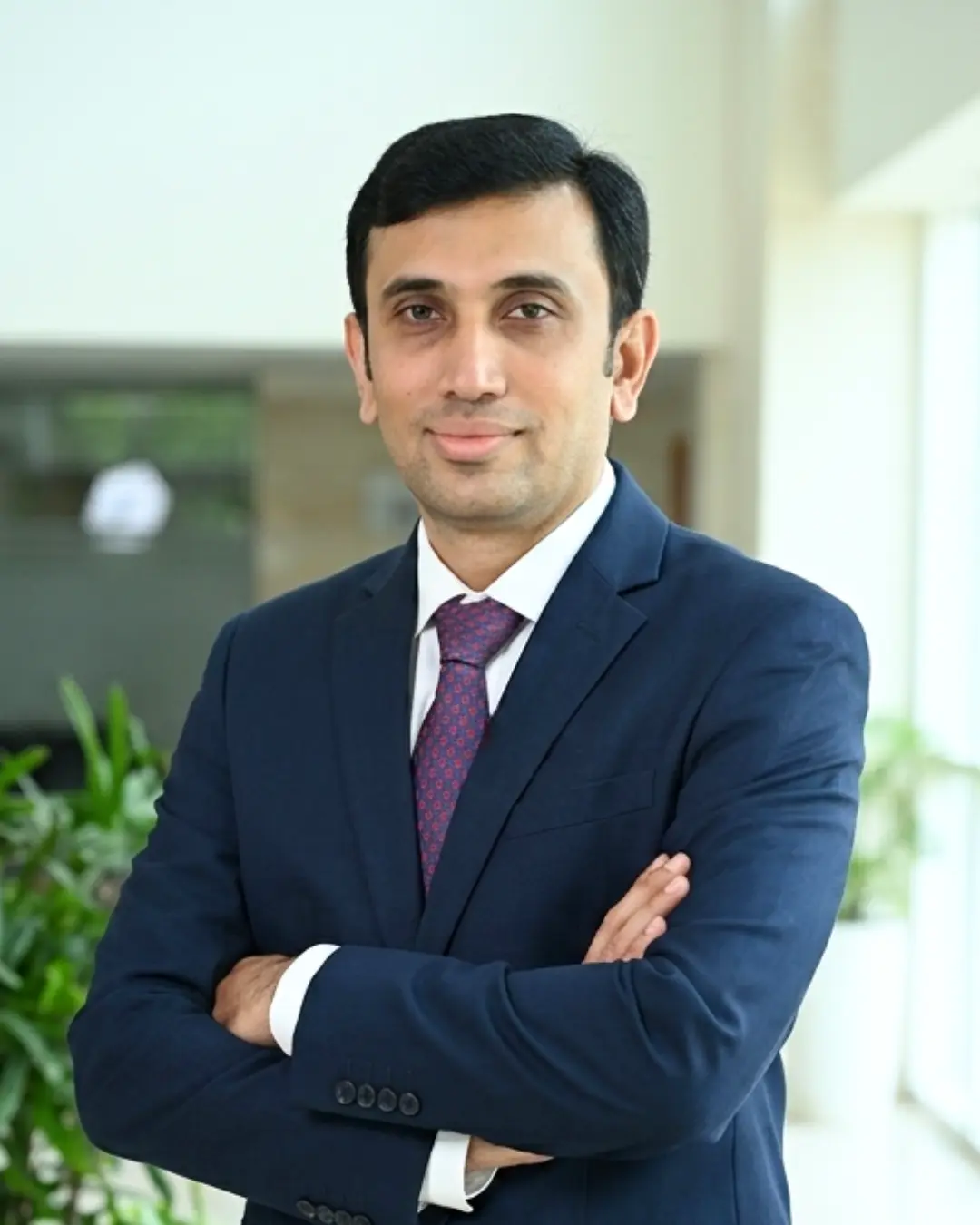
Written by Dr. Niranjan P, MBBS, DNB General Surgery, Consultant General, GI, Laparoscopic, Robotic and Bariatric Surgeon, NiSH Clinic, 4th Block, Jayanagar, Bengaluru 560011. Phone: +91 9731174360.